THE ADVENTURE COLLECTIVE® · Independent discovery and booking for outdoor travel

Cross the Strait of Gibraltar for a full-day private tour of Tangier: explore Cap Spartel where two seas meet, wander the Kasbah and medina, and savor Moroccan lunch and culture. This practical guide explains what to expect and how to prepare for the long but rewarding day.
Cross the Strait of Gibraltar for a full-day private tour of Tangier: explore Cap Spartel where two seas meet, wander the Kasbah and medina, and savor Moroccan lunch and culture. This practical guide explains what to expect and how to prepare for the long but rewarding day.
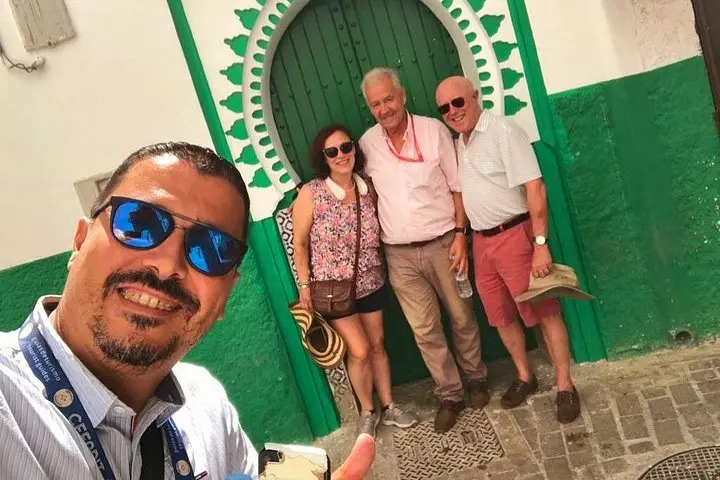
You step off the ferry with salt air still clinging to your jacket and Tangier sprawling uphill—whitewashed houses, the Kasbah’s ochre walls, and vendors arranging strings of spices like small, bright geographies.
Verified experiences and guided adventures in the surrounding area.
Operated by APARTRIP TRAVELS · Tangier, Tanger-Tetouan-Al Hoceima
You step off the ferry with salt air still clinging to your jacket and Tangier sprawling uphill—whitewashed houses, the Kasbah’s ochre walls, and vendors arranging strings of spices like small, bright geographies.
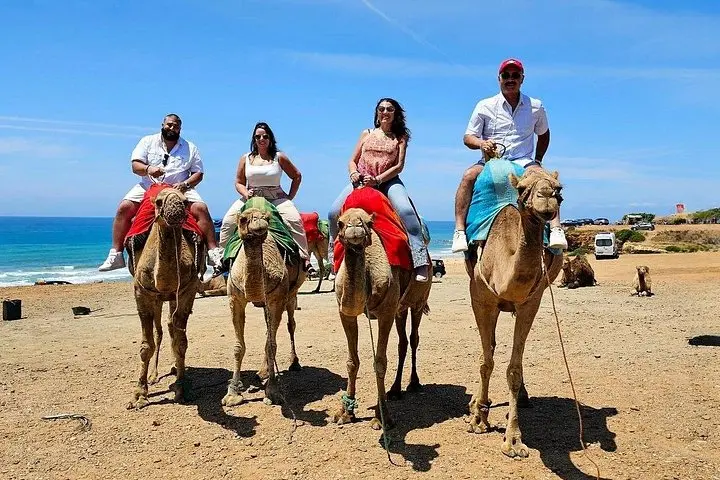
The crossing itself trims the continent down to a thin line; ferries cross the Strait of Gibraltar in roughly 40–60 minutes depending on route, and the sea here seems to pull the Atlantic toward the Mediterranean as if it has an agenda of its own. Cap Spartel’s headland frames that meeting of waters, a place of low dunes where camels sometimes pace the shore and the lighthouse keeps watch.
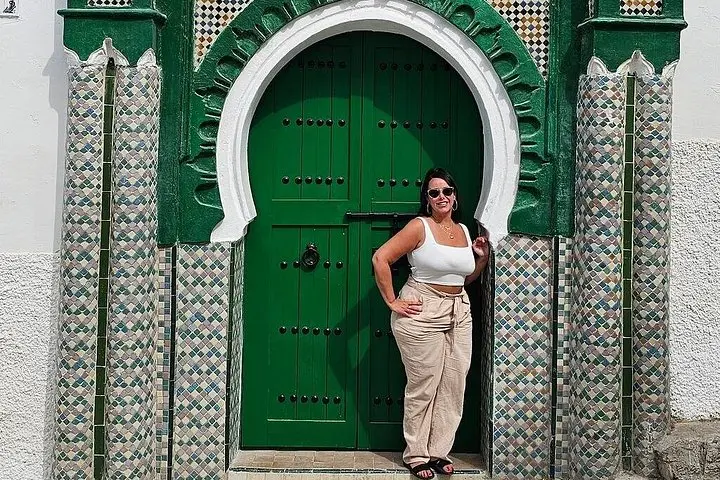
Tangier’s history is layered: Phoenicians, Romans, and later an international zone created a cosmopolitan port with European cafés, Moroccan riads, and narrow medina alleys that climb toward the Kasbah and the Sultan’s Palace (Musée de la Kasbah). The Hercules Caves nearby are carved limestone with clear sea views—geology meeting myth.
Practically, expect cobbled streets and steep stairways in the Medina, markets of spices and dried fruit, and a packed day that runs about 12–13 hours from pick-up to drop-off. Breakfast and a Moroccan lunch are included; guides usually handle ferry logistics but ferry delays can happen—pack patience and layers. Bring local currency (MAD) for small purchases and tipping, keep passports and Schengen-entry counts handy, and wear grippy shoes for uneven surfaces.
The tour balances photographic viewpoints and cultural stops with straightforward logistics: wheel-chair accessibility is advertised for parts of the trip, but some historic sites have steps. Time your visit early in high season to avoid the busiest crowds and to see the Strait with clearer light.
Visa requirements depend on nationality—many countries can enter visa-free for short stays, but some need an e‑visa; check Moroccan consulate guidance well before travel.
Camel rides on the Atlantic dunes are often offered as an optional activity; confirm with the operator whether it’s included or an extra and whether it’s available the day of your tour.
Ferry crossings between southern Spain and Tangier typically take about 40–60 minutes depending on the port (Tarifa, Algeciras) and sea conditions; operators plan for variability.
Parts of the itinerary and transportation options are wheelchair accessible, but many historic sites in the Medina and Kasbah have steps; contact the operator in advance to arrange accommodations.
APARTRIP TRAVELS operates guided outdoor trips and adventures with an emphasis on safety, stewardship, and memorable experiences.

You step off the ferry with salt air still clinging to your jacket and Tangier sprawling uphill—whitewashed houses, the Kasbah’s ochre walls, and vendors arranging strings of spices like small, bright geographies.
You step off the ferry with salt air still clinging to your jacket and Tangier sprawling uphill—whitewashed houses, the Kasbah’s ochre walls, and vendors arranging strings of spices like small, bright geographies.
The crossing itself trims the continent down to a thin line; ferries cross the Strait of Gibraltar in roughly 40–60 minutes depending on route, and the sea here seems to pull the Atlantic toward the Mediterranean as if it has an agenda of its own. Cap Spartel’s headland frames that meeting of waters, a place of low dunes where camels sometimes pace the shore and the lighthouse keeps watch.
Tangier’s history is layered: Phoenicians, Romans, and later an international zone created a cosmopolitan port with European cafés, Moroccan riads, and narrow medina alleys that climb toward the Kasbah and the Sultan’s Palace (Musée de la Kasbah). The Hercules Caves nearby are carved limestone with clear sea views—geology meeting myth.
Practically, expect cobbled streets and steep stairways in the Medina, markets of spices and dried fruit, and a packed day that runs about 12–13 hours from pick-up to drop-off. Breakfast and a Moroccan lunch are included; guides usually handle ferry logistics but ferry delays can happen—pack patience and layers. Bring local currency (MAD) for small purchases and tipping, keep passports and Schengen-entry counts handy, and wear grippy shoes for uneven surfaces.
The tour balances photographic viewpoints and cultural stops with straightforward logistics: wheel-chair accessibility is advertised for parts of the trip, but some historic sites have steps. Time your visit early in high season to avoid the busiest crowds and to see the Strait with clearer light.