THE ADVENTURE COLLECTIVE® · Independent discovery and booking for outdoor travel

Escape Tangier for a full-day drive into the Rif to wander Chefchaouen’s iconic blue medina. This practical guide outlines what to expect—history, terrain, and sensible tips for making the most of a day in the mountains.
Escape Tangier for a full-day drive into the Rif to wander Chefchaouen’s iconic blue medina. This practical guide outlines what to expect—history, terrain, and sensible tips for making the most of a day in the mountains.
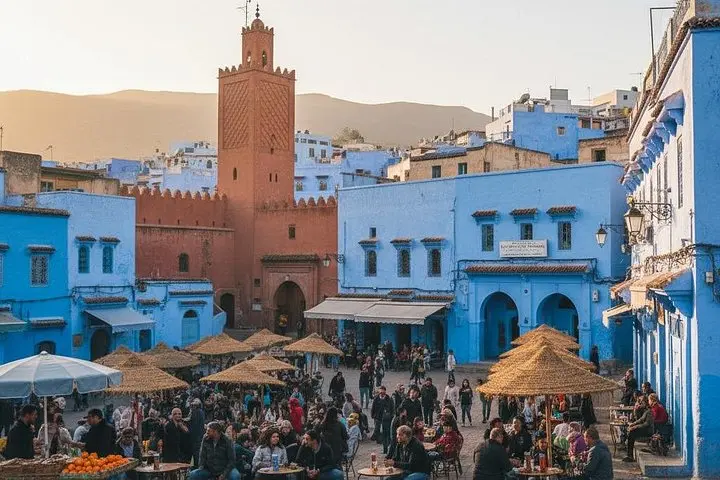
A morning drive out of Tangier eases up into the Rif Mountains, roads climbing past olive terraces and scrubby pines as the air sharpens with altitude. After roughly 2.5 hours the blue-washed lanes of Chefchaouen appear, a compact medina where stairways and alleys funnel toward sunlit squares and the clamber of mountain views.
Verified experiences and guided adventures in the surrounding area.
Operated by Tangier Deluxe Tours · Chefchaouen, Chefchaouen Province
A morning drive out of Tangier eases up into the Rif Mountains, roads climbing past olive terraces and scrubby pines as the air sharpens with altitude. After roughly 2.5 hours the blue-washed lanes of Chefchaouen appear, a compact medina where stairways and alleys funnel toward sunlit squares and the clamber of mountain views.
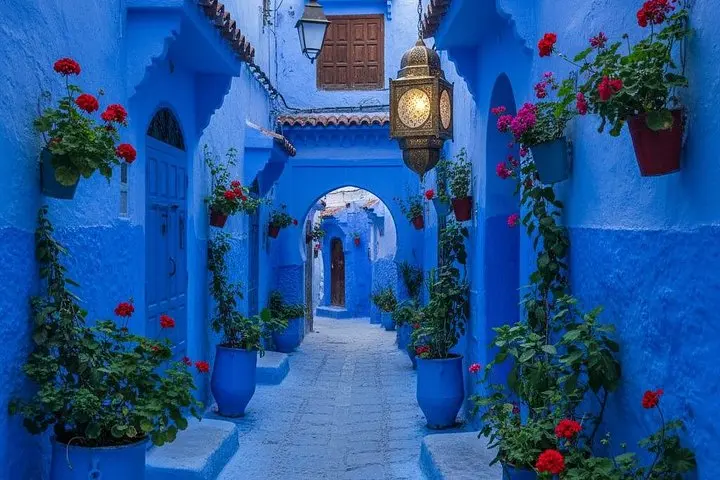
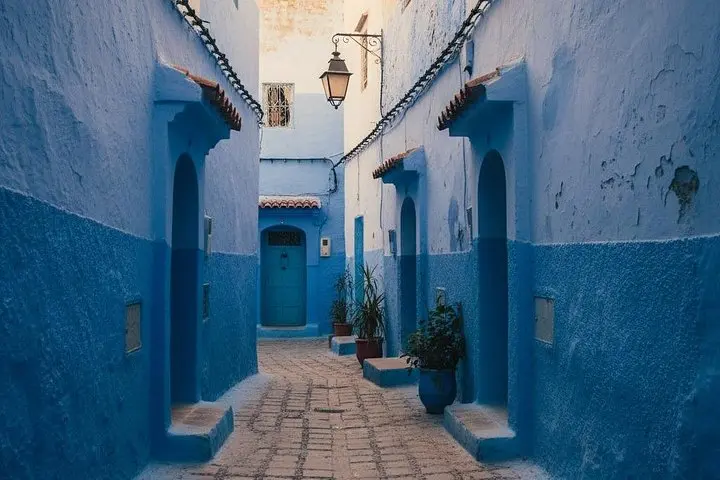
Founded in the 15th century by Andalusian refugees, Chefchaouen’s architecture blends Moorish arches and Spanish-Moroccan details; the town sits on folded limestone of the Rif range, its steep slopes carved by seasonal streams. The blue paint—part local tradition, part practical insect deterrent, part symbolic—gives the medina a cool, uniform light that photographers and painters chase at every hour.
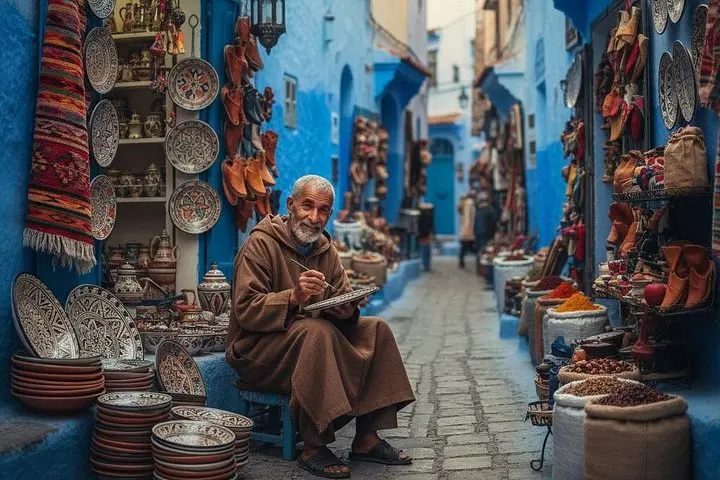
Visitors spend most of the day on foot: exploring the Kasbah gardens and museum, stepping into artisan shops selling wool, leather, and indigo-dyed textiles, and pausing at the Ras El-Maa spring where water still tumbles down stone. Local restaurants serve tagine, fresh salads, and mint tea; bargaining is expected in souk stalls.
Practical guidance: expect uneven cobbles and short staircases, bring cash (small bills and coins), and wear supportive shoes. If you opt for a guide, you’ll gain neighborhood histories and shortcut routes; without one, follow the main streets to major sights and use a map app for the quieter alleys. Aim to arrive early to avoid peak crowds and the midday heat; keep reusable water and a light layer for mountain breezes.
No—this tour is offered without a guide by default; you can request an optional professional guide for richer historical and cultural context for an extra fee.
Expect about 2.5 to 3 hours each way through winding mountain roads; total excursion time is roughly 9–10 hours including stops.
Lunch is not included as standard; the itinerary includes time to eat at a local restaurant where you can choose dishes and pay directly.
The transfer is stroller-accessible for transport, but the medina’s narrow alleys and steps make full stroller use difficult—infants may be easier in a carrier.
Tangier Deluxe Tours operates guided outdoor trips and adventures with an emphasis on safety, stewardship, and memorable experiences.
A morning drive out of Tangier eases up into the Rif Mountains, roads climbing past olive terraces and scrubby pines as the air sharpens with altitude. After roughly 2.5 hours the blue-washed lanes of Chefchaouen appear, a compact medina where stairways and alleys funnel toward sunlit squares and the clamber of mountain views.
A morning drive out of Tangier eases up into the Rif Mountains, roads climbing past olive terraces and scrubby pines as the air sharpens with altitude. After roughly 2.5 hours the blue-washed lanes of Chefchaouen appear, a compact medina where stairways and alleys funnel toward sunlit squares and the clamber of mountain views.
Founded in the 15th century by Andalusian refugees, Chefchaouen’s architecture blends Moorish arches and Spanish-Moroccan details; the town sits on folded limestone of the Rif range, its steep slopes carved by seasonal streams. The blue paint—part local tradition, part practical insect deterrent, part symbolic—gives the medina a cool, uniform light that photographers and painters chase at every hour.
Visitors spend most of the day on foot: exploring the Kasbah gardens and museum, stepping into artisan shops selling wool, leather, and indigo-dyed textiles, and pausing at the Ras El-Maa spring where water still tumbles down stone. Local restaurants serve tagine, fresh salads, and mint tea; bargaining is expected in souk stalls.
Practical guidance: expect uneven cobbles and short staircases, bring cash (small bills and coins), and wear supportive shoes. If you opt for a guide, you’ll gain neighborhood histories and shortcut routes; without one, follow the main streets to major sights and use a map app for the quieter alleys. Aim to arrive early to avoid peak crowds and the midday heat; keep reusable water and a light layer for mountain breezes.