THE ADVENTURE COLLECTIVE® · Independent discovery and booking for outdoor travel

A long-day private tour from Tangier to Chefchaouen that delivers the Rif Mountains’ cool air, painted-blue alleys, and a traditional Moroccan lunch. Expect a 10-hour outing with walking through cobbled medina lanes and a panoramic viewpoint above town.
A long-day private tour from Tangier to Chefchaouen that delivers the Rif Mountains’ cool air, painted-blue alleys, and a traditional Moroccan lunch. Expect a 10-hour outing with walking through cobbled medina lanes and a panoramic viewpoint above town.
You arrive at the Rif foothills as the road unspools out of Tangier and the air tightens into pine and citrus — the mountains nudging the van onward toward the blue city. Chefchaouen appears like a washed watercolor: alleys painted in cool pigments, laundry drifting like small flags, and the murmur of market bargaining threading through shaded squares.
Verified experiences and guided adventures in the surrounding area.
Operated by Abu Private Tours · Chefchaouen, Tanger-Tetouan-Al Hoceima
You arrive at the Rif foothills as the road unspools out of Tangier and the air tightens into pine and citrus — the mountains nudging the van onward toward the blue city. Chefchaouen appears like a washed watercolor: alleys painted in cool pigments, laundry drifting like small flags, and the murmur of market bargaining threading through shaded squares.
Founded in the 15th century by Moorish refugees and later shaped by Andalusian and Jewish communities, Chefchaouen’s narrow streets and white-and-blue facades reflect both cultural layers and practical climate choices: white to reflect heat, blue said to keep insects away. Geologically, the town sits on the Rif’s folded limestone slopes where springs like Ras El Maa tip fresh mountain water into public fountains and small cascades — the water still sets the town’s pulse.
You’ll move at walking pace through the compact medina: the kasbah courtyard, the mellah quarter, bustling souks of woven blankets and local olive oil, and a relaxed lunch in a local restaurant overlooking a terraced street. The Spanish Mosque viewpoint above the town rewards the short climb with a panoramic sweep that makes the lanes below feel toy-sized.
Practical side: the drive from Tangier is roughly two hours each way; expect cobbles and steps, carry small change for market purchases, and plan for a 10-hour day. Comfortable shoes, sun protection, and a light layer for the mountain breeze will keep the visit focused on discovery rather than discomfort.
The drive is about 2 hours each way (roughly 115 km), depending on traffic and exact pickup location in Tangier.
Yes — a traditional Moroccan lunch at a local restaurant is included in the itinerary.
Many streets are cobbled and narrow; while some areas are wheelchair-accessible and the tour notes accessibility, portions of the medina have steps and uneven surfaces that can be difficult for wheelchairs.
Yes — the market and souks offer woven goods, leatherwork, and olive-oil products; bring dirhams and be prepared to bargain politely.
Abu Private Tours operates guided outdoor trips and adventures with an emphasis on safety, stewardship, and memorable experiences.
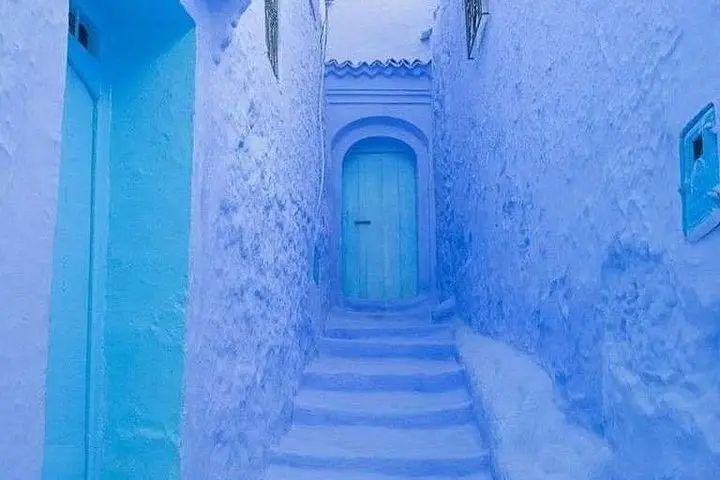
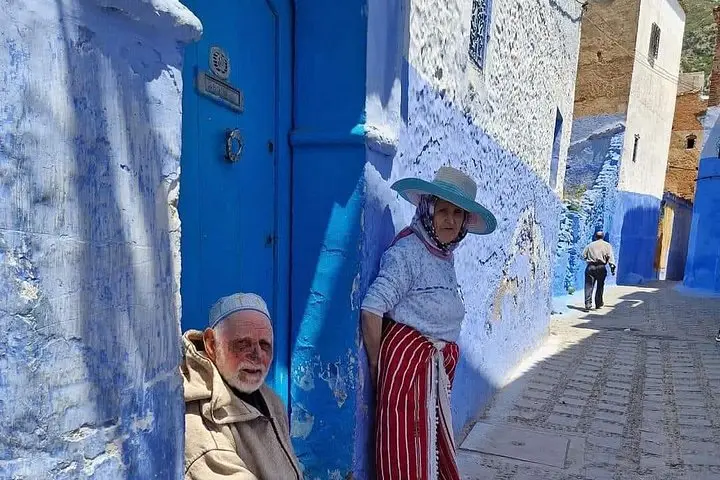
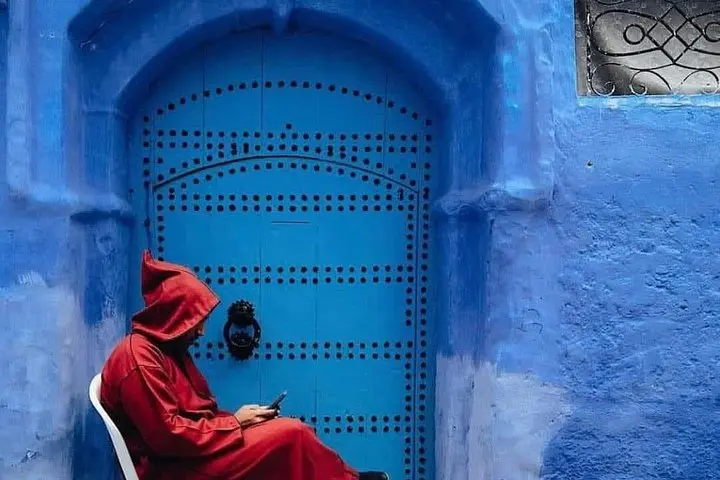
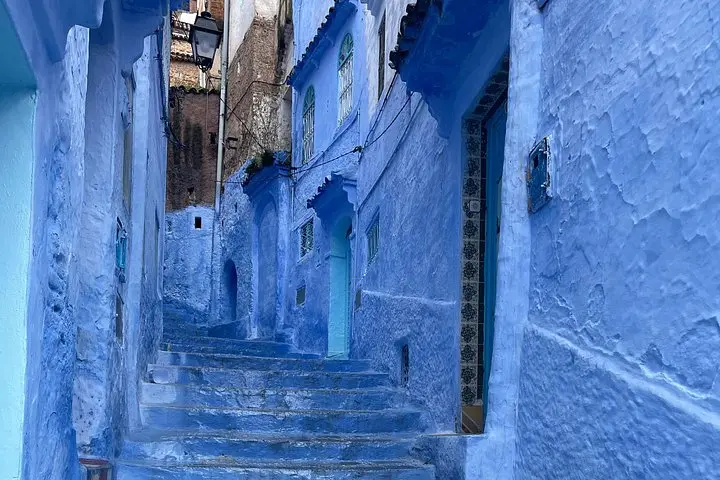
You arrive at the Rif foothills as the road unspools out of Tangier and the air tightens into pine and citrus — the mountains nudging the van onward toward the blue city. Chefchaouen appears like a washed watercolor: alleys painted in cool pigments, laundry drifting like small flags, and the murmur of market bargaining threading through shaded squares.
You arrive at the Rif foothills as the road unspools out of Tangier and the air tightens into pine and citrus — the mountains nudging the van onward toward the blue city. Chefchaouen appears like a washed watercolor: alleys painted in cool pigments, laundry drifting like small flags, and the murmur of market bargaining threading through shaded squares.
Founded in the 15th century by Moorish refugees and later shaped by Andalusian and Jewish communities, Chefchaouen’s narrow streets and white-and-blue facades reflect both cultural layers and practical climate choices: white to reflect heat, blue said to keep insects away. Geologically, the town sits on the Rif’s folded limestone slopes where springs like Ras El Maa tip fresh mountain water into public fountains and small cascades — the water still sets the town’s pulse.
You’ll move at walking pace through the compact medina: the kasbah courtyard, the mellah quarter, bustling souks of woven blankets and local olive oil, and a relaxed lunch in a local restaurant overlooking a terraced street. The Spanish Mosque viewpoint above the town rewards the short climb with a panoramic sweep that makes the lanes below feel toy-sized.
Practical side: the drive from Tangier is roughly two hours each way; expect cobbles and steps, carry small change for market purchases, and plan for a 10-hour day. Comfortable shoes, sun protection, and a light layer for the mountain breeze will keep the visit focused on discovery rather than discomfort.