THE ADVENTURE COLLECTIVE® · Independent discovery and booking for outdoor travel

Travel from Tangier into the Rif Mountains to spend a day exploring Chefchaouen’s famed blue medina. This private guided tour combines a scenic mountain drive, local insights, and time to explore the Blue City at your own pace.
Travel from Tangier into the Rif Mountains to spend a day exploring Chefchaouen’s famed blue medina. This private guided tour combines a scenic mountain drive, local insights, and time to explore the Blue City at your own pace.
You step into a ribbon of blue—doorways, stairwells and alleys washed in tones that catch the light differently each hour. The ride from Tangier threads the Rif Mountains, twisting past terraced fields and stone villages, and when the medina of Chefchaouen appears, the town seems to have paused in a palette of cerulean and indigo.
Verified experiences and guided adventures in the surrounding area.
Operated by xentouftravel · Chefchaouen, Tanger‑Tétouan‑Al Hoceima
You step into a ribbon of blue—doorways, stairwells and alleys washed in tones that catch the light differently each hour. The ride from Tangier threads the Rif Mountains, twisting past terraced fields and stone villages, and when the medina of Chefchaouen appears, the town seems to have paused in a palette of cerulean and indigo.
Chefchaouen was founded in the 15th century as a mountain fortress and later absorbed Andalusian and Jewish influences; its blue pigment has practical and cultural stories attached to it, from mosquito control to spiritual symbolism. Geologically the town sits on the lower slopes of the Rif—schist and limestone ridges create the steep valley bowls you’ll look down into from nearby viewpoints. Culturally, expect relaxed pace: local craft shops, woven blankets, and small cafés around Outa el Hammam square.
Practically, the trip is a full-day private transfer with a local guide, roughly 6–8 hours door to door depending on pickup and time spent wandering. The drive is about 2–2.5 hours each way from Tangier over narrow mountain roads; bring layers for cool hilltop breezes and a sun layer for midday. Shoes should be comfortable for cobbled alleys and short uphill walks; modest dress is appropriate in markets and around religious sites. Carry cash in Moroccan dirham for small purchases, and keep water on hand—the tour provides bottled water and onboard Wi‑Fi, but facilities in the medina are limited. Early starts mean softer light for photos and fewer crowds. With a guide you’ll move efficiently between highlights—Outa el Hammam, the kasbah, Ras El Maa spring—and leave with both photos and a clearer sense of Rif life.
Expect approximately 2–2.5 hours each way depending on traffic and stops; the route crosses the Rif Mountains on narrow, scenic roads.
Yes—private pickup and drop‑off in Tangier are included, with the option to specify your pickup point when booking.
The tour notes wheelchair accessibility for the vehicle, but the medina’s narrow, uneven alleys can be difficult to navigate with mobility devices—check specifics with the operator.
Bottled water and a small gift are included; meals are not typically included but the itinerary includes time for a restaurant stop and independent dining in Chefchaouen.
xentouftravel operates guided outdoor trips and adventures with an emphasis on safety, stewardship, and memorable experiences.
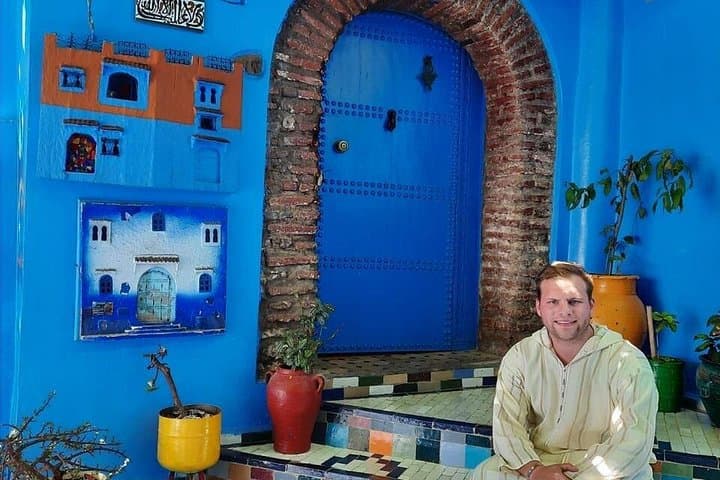
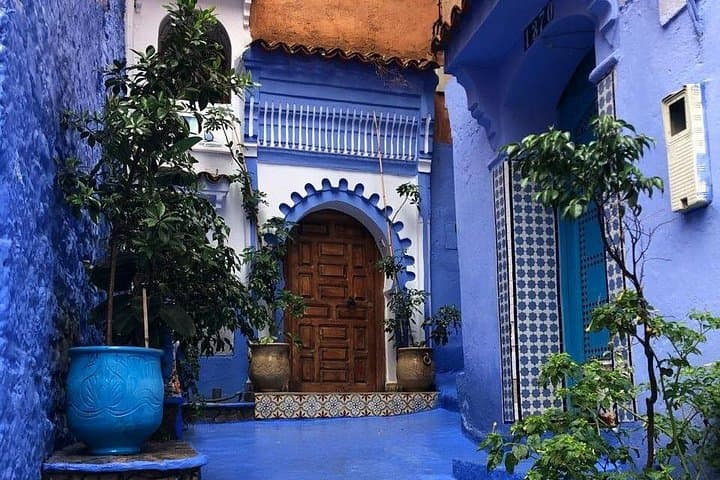
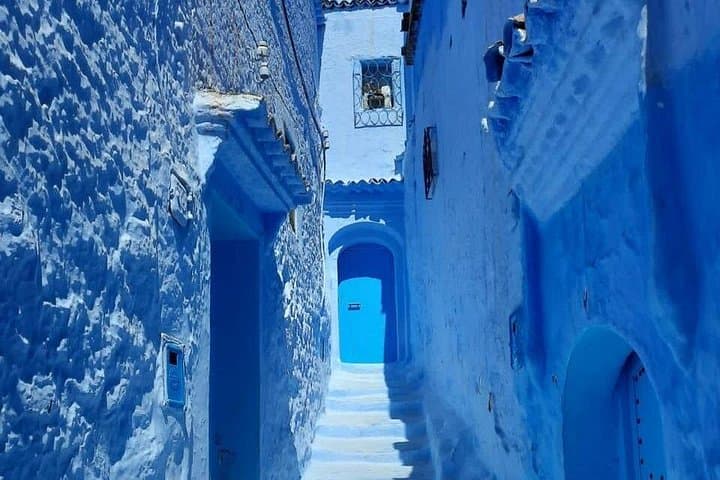
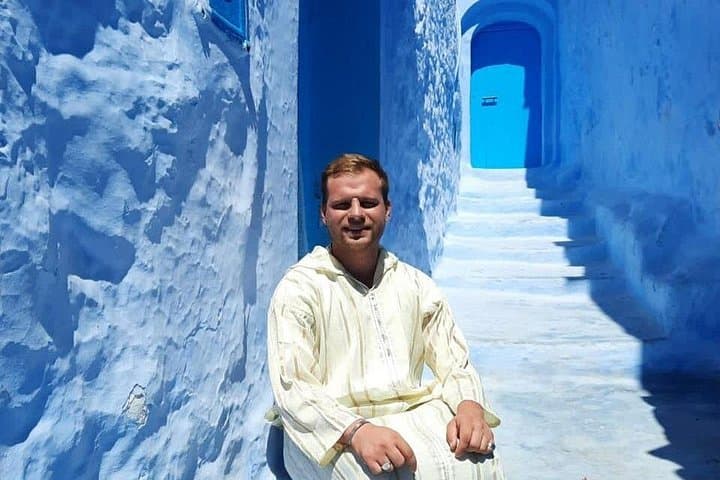
You step into a ribbon of blue—doorways, stairwells and alleys washed in tones that catch the light differently each hour. The ride from Tangier threads the Rif Mountains, twisting past terraced fields and stone villages, and when the medina of Chefchaouen appears, the town seems to have paused in a palette of cerulean and indigo.
You step into a ribbon of blue—doorways, stairwells and alleys washed in tones that catch the light differently each hour. The ride from Tangier threads the Rif Mountains, twisting past terraced fields and stone villages, and when the medina of Chefchaouen appears, the town seems to have paused in a palette of cerulean and indigo.
Chefchaouen was founded in the 15th century as a mountain fortress and later absorbed Andalusian and Jewish influences; its blue pigment has practical and cultural stories attached to it, from mosquito control to spiritual symbolism. Geologically the town sits on the lower slopes of the Rif—schist and limestone ridges create the steep valley bowls you’ll look down into from nearby viewpoints. Culturally, expect relaxed pace: local craft shops, woven blankets, and small cafés around Outa el Hammam square.
Practically, the trip is a full-day private transfer with a local guide, roughly 6–8 hours door to door depending on pickup and time spent wandering. The drive is about 2–2.5 hours each way from Tangier over narrow mountain roads; bring layers for cool hilltop breezes and a sun layer for midday. Shoes should be comfortable for cobbled alleys and short uphill walks; modest dress is appropriate in markets and around religious sites. Carry cash in Moroccan dirham for small purchases, and keep water on hand—the tour provides bottled water and onboard Wi‑Fi, but facilities in the medina are limited. Early starts mean softer light for photos and fewer crowds. With a guide you’ll move efficiently between highlights—Outa el Hammam, the kasbah, Ras El Maa spring—and leave with both photos and a clearer sense of Rif life.