THE ADVENTURE COLLECTIVE® · Independent discovery and booking for outdoor travel

Spend a night under Tangkoko’s canopy to see nocturnal life come alive—from tiny tarsiers to foraging black-crested macaques. This compact 2D1N trip pairs guided night walks with a morning trek through low-elevation volcanic rainforest.
Spend a night under Tangkoko’s canopy to see nocturnal life come alive—from tiny tarsiers to foraging black-crested macaques. This compact 2D1N trip pairs guided night walks with a morning trek through low-elevation volcanic rainforest.
Dawn in Tangkoko arrives soft and humid, the forest breathing around low trails as tiny hands—tarsiers—peep from shadowed tree forks. By flashlight the night walk becomes a study in small movements: tarantulas crossing leaf litter, rustling palms, and the high, nasal call of hornbills echoing through the canopy.
Verified experiences and guided adventures in the surrounding area.
Operated by Birdphoto Indo Ecotour · Bitung, North Sulawesi
Dawn in Tangkoko arrives soft and humid, the forest breathing around low trails as tiny hands—tarsiers—peep from shadowed tree forks. By flashlight the night walk becomes a study in small movements: tarantulas crossing leaf litter, rustling palms, and the high, nasal call of hornbills echoing through the canopy.
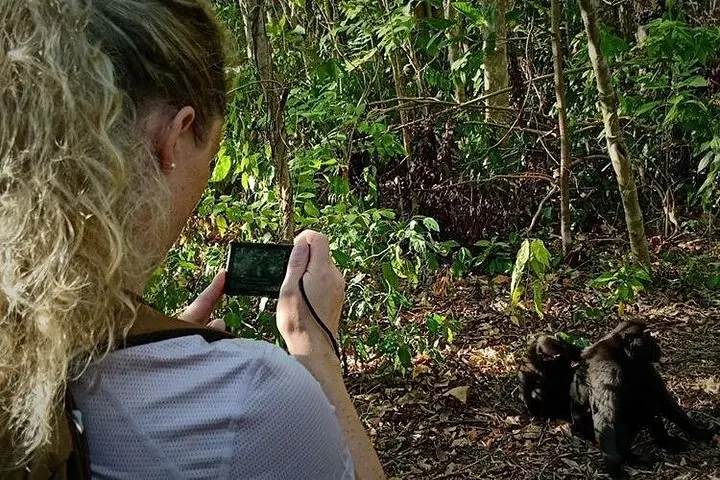
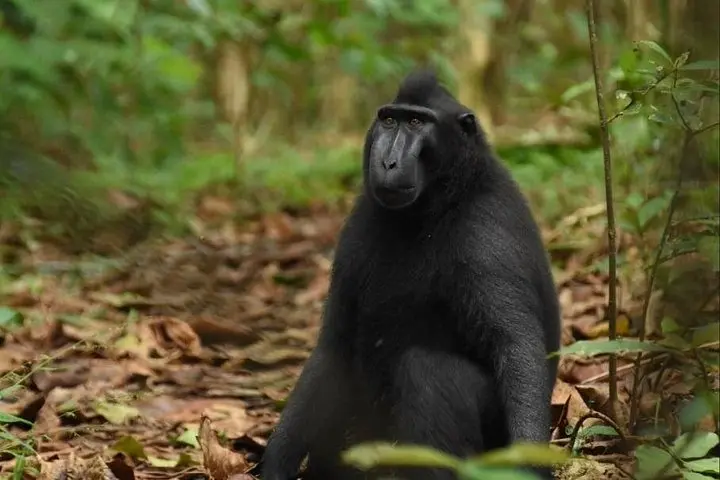
Tangkoko Batuangus Nature Reserve on Sulawesi’s northeastern arm is a volcanic foothill forest carved from lava flows and ancient uplift. Protected since the mid-20th century, the reserve shelters species found nowhere else: the diminutive spectral tarsier and the critically endangered black-crested macaque with its distinctive heart-shaped rump. Local coastal communities have long fished the nearby bays; today conservation and community tourism are intertwined, with ranger posts and small homestays at the park edge.
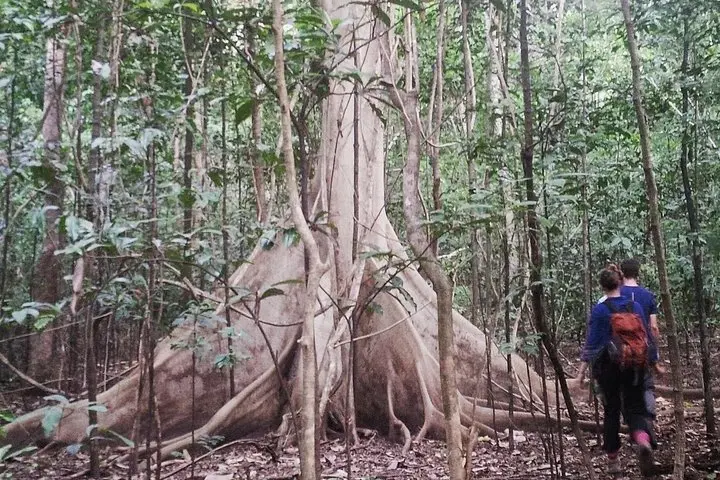
Practical guidance: expect two short but active field sessions—a guided night walk and a morning trek of roughly 3–5 km total on uneven soil and roots with 100–300 m of intermittent elevation gain. Trails sit under a dense canopy so light is low even at midday; waterproof footwear, a reliable headlamp, and insect protection matter. Guides manage entry fees and timings; most groups travel from Manado (45–90 minutes by paved road) in air-conditioned vehicles.
Respect the wildlife: keep distance, don’t feed animals, and follow ranger instructions. Timing your visit for the early dry season reduces rain interruptions. With basic fitness and careful packing, an overnight here delivers rare encounters across two compact, wildlife-rich days.
Most tours provide air-conditioned transfers from Manado (45–90 minutes). Public transport exists but is slower; confirm pickup details when booking.
Yes—activities are rated as physically easy, but young children should be supervised on night walks and kept close around wildlife.
Common sightings include spectral tarsiers, black-crested macaques, bear cuscus, and various hornbills and songbirds—no sightings can be guaranteed.
Overnight stays are typically in simple forest lodges or village homestays near the reserve; confirm facilities and dietary needs with the operator.
Birdphoto Indo Ecotour operates guided outdoor trips and adventures with an emphasis on safety, stewardship, and memorable experiences.
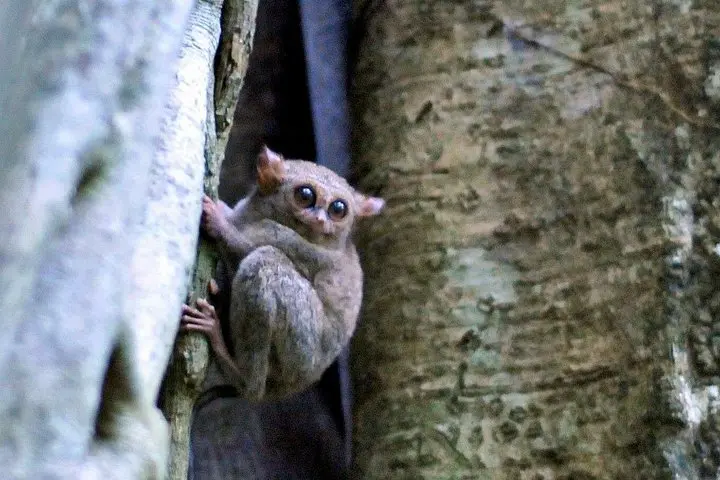
Dawn in Tangkoko arrives soft and humid, the forest breathing around low trails as tiny hands—tarsiers—peep from shadowed tree forks. By flashlight the night walk becomes a study in small movements: tarantulas crossing leaf litter, rustling palms, and the high, nasal call of hornbills echoing through the canopy.
Dawn in Tangkoko arrives soft and humid, the forest breathing around low trails as tiny hands—tarsiers—peep from shadowed tree forks. By flashlight the night walk becomes a study in small movements: tarantulas crossing leaf litter, rustling palms, and the high, nasal call of hornbills echoing through the canopy.
Tangkoko Batuangus Nature Reserve on Sulawesi’s northeastern arm is a volcanic foothill forest carved from lava flows and ancient uplift. Protected since the mid-20th century, the reserve shelters species found nowhere else: the diminutive spectral tarsier and the critically endangered black-crested macaque with its distinctive heart-shaped rump. Local coastal communities have long fished the nearby bays; today conservation and community tourism are intertwined, with ranger posts and small homestays at the park edge.
Practical guidance: expect two short but active field sessions—a guided night walk and a morning trek of roughly 3–5 km total on uneven soil and roots with 100–300 m of intermittent elevation gain. Trails sit under a dense canopy so light is low even at midday; waterproof footwear, a reliable headlamp, and insect protection matter. Guides manage entry fees and timings; most groups travel from Manado (45–90 minutes by paved road) in air-conditioned vehicles.
Respect the wildlife: keep distance, don’t feed animals, and follow ranger instructions. Timing your visit for the early dry season reduces rain interruptions. With basic fitness and careful packing, an overnight here delivers rare encounters across two compact, wildlife-rich days.