THE ADVENTURE COLLECTIVE® · Independent discovery and booking for outdoor travel

Take an off-road motorcycle safari from Arusha on Honda CRF250L bikes, riding riverbeds, volcanic foothills and village tracks with mechanic-supported guides. Expect long sandy stretches, basic repairs, and close encounters with rural life beyond the parks.
Take an off-road motorcycle safari from Arusha on Honda CRF250L bikes, riding riverbeds, volcanic foothills and village tracks with mechanic-supported guides. Expect long sandy stretches, basic repairs, and close encounters with rural life beyond the parks.
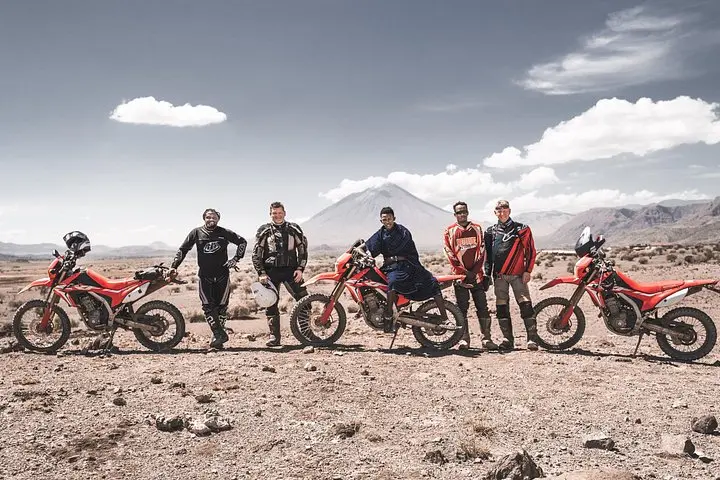
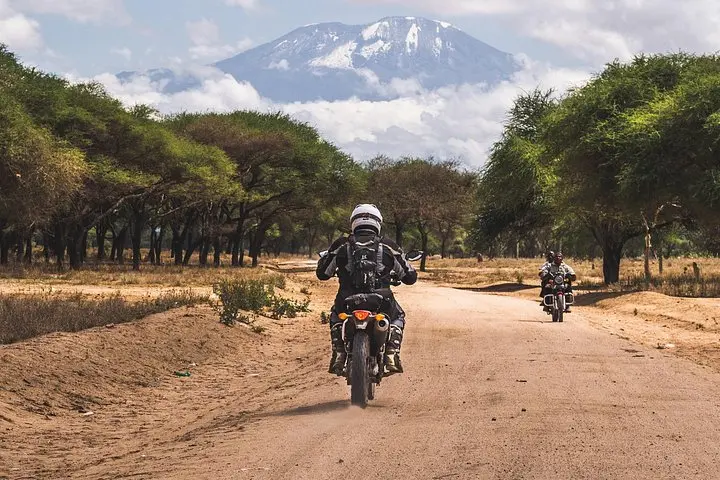
Morning light pricks the plains outside Arusha; your CRF250L coughs awake and the air smells of dust and simmering coffee. The route punches through acacia scrub, climbs volcanic foothills and cuts across riverbeds that dare you to pick a line. Guides read the land — where trails narrow into village tracks, where elephants sometimes skirt the tree line — and the ride becomes a moving negotiation between throttle and terrain.
Verified experiences and guided adventures in the surrounding area.
Operated by Motorbike Safari Tanzania · Arusha, Arusha Region
Morning light pricks the plains outside Arusha; your CRF250L coughs awake and the air smells of dust and simmering coffee. The route punches through acacia scrub, climbs volcanic foothills and cuts across riverbeds that dare you to pick a line. Guides read the land — where trails narrow into village tracks, where elephants sometimes skirt the tree line — and the ride becomes a moving negotiation between throttle and terrain.
Tanzania’s northern corridor is volcanic in origin: hardened lava flows, ash plains and scarred ridgelines give way to grassy terraces carved by seasonal streams. Along the way you’ll pass Meru and Maasai settlements where corrals, painted homesteads and livestock paths speak to generations of cattle-based life; roadside stands often sell fresh chai and samosas.
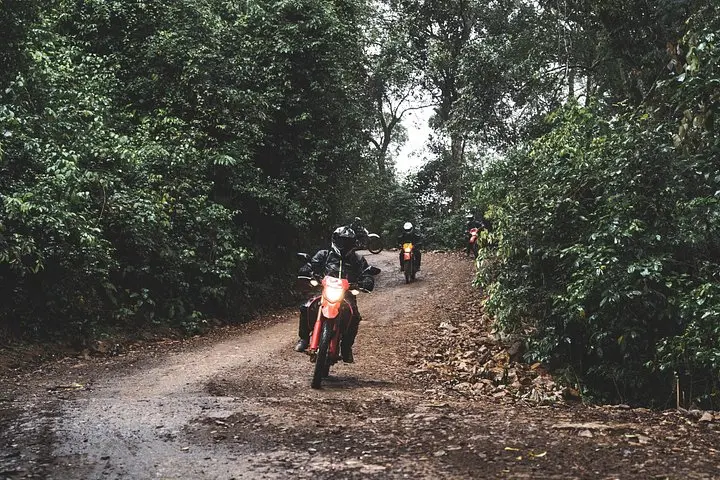
Expect loose sand, rocky washouts, hard-packed jeep tracks and singletrack through miombo woodland. The operator runs Honda CRF250L (2019) bikes with guide and mechanic support; typical runs are eight hours with regular stops for fuel, mechanical checks and a hot midday meal on multi-day safaris. Guides are trained in first aid and lead from the front but riders must manage weight, choose lines and carry basic trail repair skills.
Practical guidance: start early to beat heat, bring 2–3 liters of water, layered protection, and dual-sport boots. Secure passport details for bookings and accept that vibration, dust and exposure are part of the day. Ride respectfully near wildlife and villages — slow down, ask before photographing, and leave no trace of your passage.
Yes — riders should be comfortable on dirt and gravel and able to handle a 250cc dual-sport bike; guides provide support but not basic riding lessons.
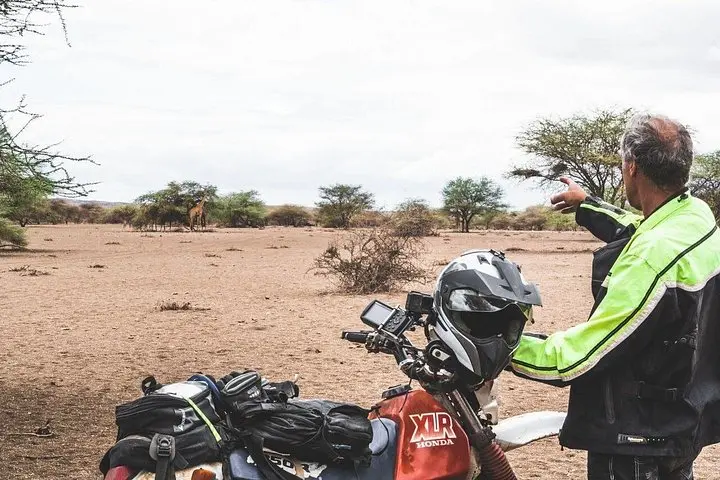
No — you may ride near wildlife, but sightings depend on season, time of day and route; always follow guide instructions near animals.
Typical inclusions are bike and fuel, mechanic support, guide, park fees on applicable routes, accommodation on multi-day tours and meals as specified.
Operators offer airport pickups from Kilimanjaro and Arusha; booking requires passport details and arrival logistics for timely briefings.
Motorbike Safari Tanzania operates guided outdoor trips and adventures with an emphasis on safety, stewardship, and memorable experiences.
Morning light pricks the plains outside Arusha; your CRF250L coughs awake and the air smells of dust and simmering coffee. The route punches through acacia scrub, climbs volcanic foothills and cuts across riverbeds that dare you to pick a line. Guides read the land — where trails narrow into village tracks, where elephants sometimes skirt the tree line — and the ride becomes a moving negotiation between throttle and terrain.
Morning light pricks the plains outside Arusha; your CRF250L coughs awake and the air smells of dust and simmering coffee. The route punches through acacia scrub, climbs volcanic foothills and cuts across riverbeds that dare you to pick a line. Guides read the land — where trails narrow into village tracks, where elephants sometimes skirt the tree line — and the ride becomes a moving negotiation between throttle and terrain.
Tanzania’s northern corridor is volcanic in origin: hardened lava flows, ash plains and scarred ridgelines give way to grassy terraces carved by seasonal streams. Along the way you’ll pass Meru and Maasai settlements where corrals, painted homesteads and livestock paths speak to generations of cattle-based life; roadside stands often sell fresh chai and samosas.
Expect loose sand, rocky washouts, hard-packed jeep tracks and singletrack through miombo woodland. The operator runs Honda CRF250L (2019) bikes with guide and mechanic support; typical runs are eight hours with regular stops for fuel, mechanical checks and a hot midday meal on multi-day safaris. Guides are trained in first aid and lead from the front but riders must manage weight, choose lines and carry basic trail repair skills.
Practical guidance: start early to beat heat, bring 2–3 liters of water, layered protection, and dual-sport boots. Secure passport details for bookings and accept that vibration, dust and exposure are part of the day. Ride respectfully near wildlife and villages — slow down, ask before photographing, and leave no trace of your passage.