THE ADVENTURE COLLECTIVE® · Independent discovery and booking for outdoor travel

Explore the story of tanzanite from Mererani mine replicas to certified stones on your wrist. This guided Arusha tour pairs an educational museum visit with ethical shopping at local craft hubs and the Cultural Heritage Centre.
Explore the story of tanzanite from Mererani mine replicas to certified stones on your wrist. This guided Arusha tour pairs an educational museum visit with ethical shopping at local craft hubs and the Cultural Heritage Centre.
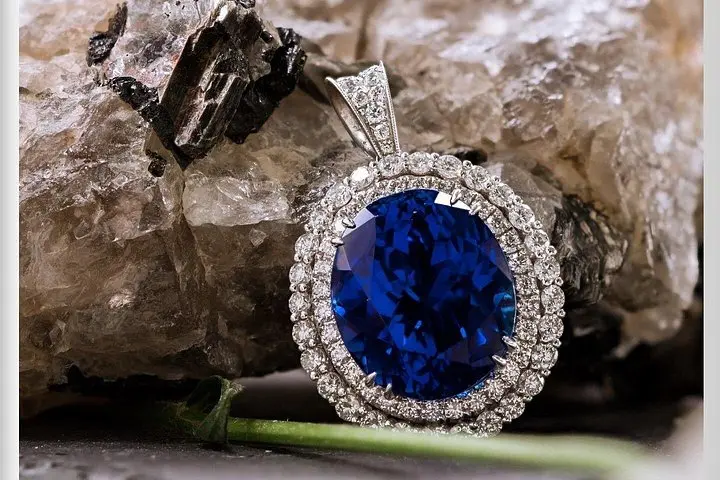
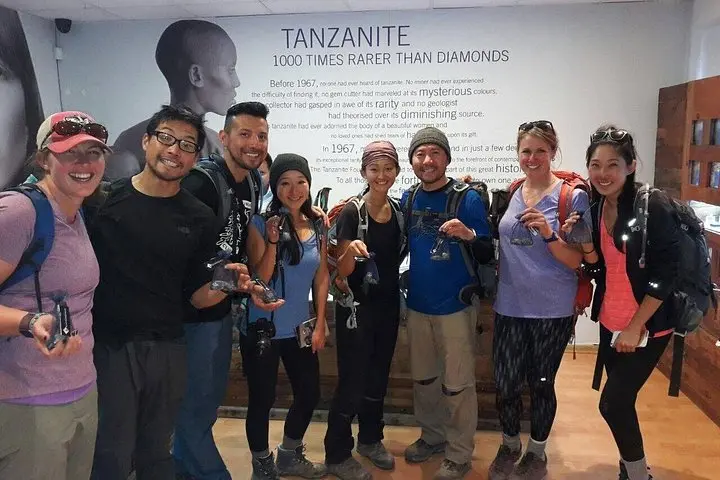
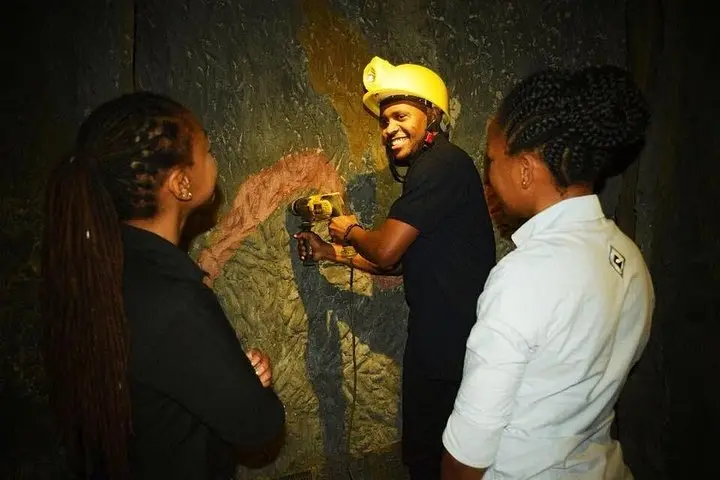
You arrive in Arusha with Kilimanjaro’s lower slopes watching from the east, the town’s heat and bustle giving way to a cooler, shaded museum interior where glass cases flash blue light. The Tanzanite Experience tour begins in that quiet: a guided walkthrough of exhibits that recreate a mine shaft and show how heat, pressure and local geology produced a stone found nowhere else on Earth.
Verified experiences and guided adventures in the surrounding area.
Operated by Africa Pathways Expeditions · Arusha, Arusha Region
You arrive in Arusha with Kilimanjaro’s lower slopes watching from the east, the town’s heat and bustle giving way to a cooler, shaded museum interior where glass cases flash blue light. The Tanzanite Experience tour begins in that quiet: a guided walkthrough of exhibits that recreate a mine shaft and show how heat, pressure and local geology produced a stone found nowhere else on Earth.
Tanzanite was identified in the Mererani hills in the 1960s and quickly gained international fame for its striking blue-violet pleochroism; it is geologically young and locally unique. The tour pairs that geology with culture — visits to Shanga Foundation reveal social enterprise craftsmanship, while the Cultural Heritage Centre brings together Maasai beadwork, ebony carvings and contemporary African art.
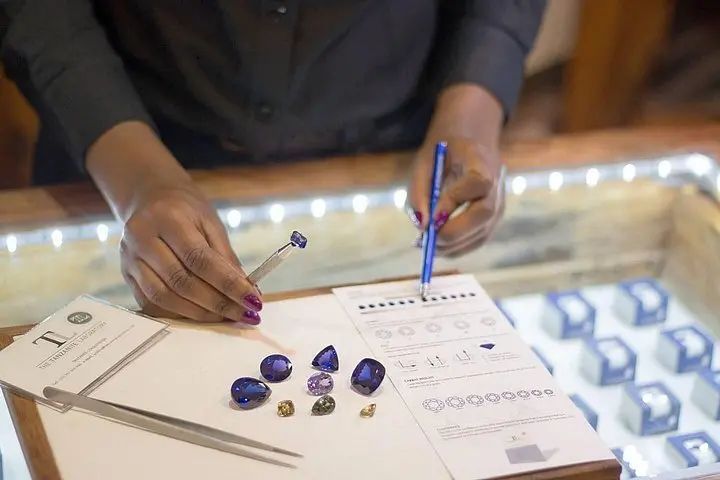
Practicalities are straightforward: hotel pickup and private transport cover movement across town, and stones bought through the museum come with laboratory certificates. Expect a day that blends museum learning with hands-on shopping — negotiating prices at galleries, watching cutters at work and sampling local snacks at the Cultural Centre’s café.
Plan for 3–8 hours depending on how deep you go into shops and workshops. Bring your passport for high-value purchases, and ask for written grading and receipts. If you want to compare cuts, set aside time to view stones under different lights to see pleochroism. Comfortable shoes for walking between galleries, a sun hat for brief street stops and a clear spending budget will keep the day efficient and enjoyable. With a mix of geology, craft and commerce, this is an accessible cultural half- or full-day that leaves you with both souvenirs and context.
Yes — gems sold in the museum boutique are typically accompanied by certificates from recognized labs; always request the certificate and receipt.
The tour is flexible: plan for 3 hours if you stick to the museum and one shop, or up to 8 hours if you visit Shanga, the Cultural Heritage Centre and several galleries.
At craft stalls and some galleries light bargaining is common; for certified gemstones the price reflects grading and is less negotiable — ask clearly about grading and return policies.
Yes — the operator lists wheelchair-accessible transport and sites, but notify in advance so they can arrange suitable pickup and assistance.
Africa Pathways Expeditions operates guided outdoor trips and adventures with an emphasis on safety, stewardship, and memorable experiences.
You arrive in Arusha with Kilimanjaro’s lower slopes watching from the east, the town’s heat and bustle giving way to a cooler, shaded museum interior where glass cases flash blue light. The Tanzanite Experience tour begins in that quiet: a guided walkthrough of exhibits that recreate a mine shaft and show how heat, pressure and local geology produced a stone found nowhere else on Earth.
You arrive in Arusha with Kilimanjaro’s lower slopes watching from the east, the town’s heat and bustle giving way to a cooler, shaded museum interior where glass cases flash blue light. The Tanzanite Experience tour begins in that quiet: a guided walkthrough of exhibits that recreate a mine shaft and show how heat, pressure and local geology produced a stone found nowhere else on Earth.
Tanzanite was identified in the Mererani hills in the 1960s and quickly gained international fame for its striking blue-violet pleochroism; it is geologically young and locally unique. The tour pairs that geology with culture — visits to Shanga Foundation reveal social enterprise craftsmanship, while the Cultural Heritage Centre brings together Maasai beadwork, ebony carvings and contemporary African art.
Practicalities are straightforward: hotel pickup and private transport cover movement across town, and stones bought through the museum come with laboratory certificates. Expect a day that blends museum learning with hands-on shopping — negotiating prices at galleries, watching cutters at work and sampling local snacks at the Cultural Centre’s café.
Plan for 3–8 hours depending on how deep you go into shops and workshops. Bring your passport for high-value purchases, and ask for written grading and receipts. If you want to compare cuts, set aside time to view stones under different lights to see pleochroism. Comfortable shoes for walking between galleries, a sun hat for brief street stops and a clear spending budget will keep the day efficient and enjoyable. With a mix of geology, craft and commerce, this is an accessible cultural half- or full-day that leaves you with both souvenirs and context.