THE ADVENTURE COLLECTIVE® · Independent discovery and booking for outdoor travel

A full-day safari offering concentrated wildlife viewing around the Tarangire River, where year-round water attracts large elephant herds and diverse birdlife. Ideal for travelers based in Arusha seeking dramatic dry-season sightings and accessible game drives.
A full-day safari offering concentrated wildlife viewing around the Tarangire River, where year-round water attracts large elephant herds and diverse birdlife. Ideal for travelers based in Arusha seeking dramatic dry-season sightings and accessible game drives.
The Land Cruiser threads past scrub and baobabs as the Tarangire River pulls the savannah toward itself — water that dares passing herds to linger. Dust hangs in the vehicle's wake while a tower of elephants moves like a slow tide across the plain; their trunks test the air and the river answers with the steady burble that haunts this park year-round.
Verified experiences and guided adventures in the surrounding area.
Operated by Rupia Adventure · Arusha, Manyara Region
The Land Cruiser threads past scrub and baobabs as the Tarangire River pulls the savannah toward itself — water that dares passing herds to linger. Dust hangs in the vehicle's wake while a tower of elephants moves like a slow tide across the plain; their trunks test the air and the river answers with the steady burble that haunts this park year-round.
Tarangire's story shifts from Hemingway-era hunting grounds to formal protection after Tanzania created national parks in the 1970s. The landscape is a hard, ancient one: volcanic highlands drain into alluvial flats lined by acacia and giant baobabs whose swollen trunks store the dry season's memory. Local Maasai pastoralists and resident birdlife add human and feathered chapters — more than 550 species have been recorded here, and the Masai ostrich is a regular show-stopper.
On a day trip from Arusha expect a 2–3 hour transfer each way, a full-day circuit through riverine woodlands and open savannah, a picnic lunch, and long, patient viewing sessions at watering holes where lions, buffalos, wildebeest and giraffe congregate. The river is the magnet in the dry months (July–October), compressing wildlife into dramatic, watchable scenes; in the rains animals scatter across greener hills.
Practical notes: bring binoculars and layered sun protection, charge camera batteries, and keep to the vehicle and marked tracks — park rules exist to protect both people and wildlife. Vehicles are the primary vantage; short guided walks are rare. Arrive early for the light and the best animal movement, and leave room in your schedule for slow, sudden encounters — Tarangire rewards patience.
Expect a 2–3 hour drive each way depending on road conditions and your exact pickup point in Arusha or Moshi.
Yes — a picnic lunch and bottled water are included, but bring additional snacks and a refillable bottle if you prefer.
The dry season (July–October) concentrates wildlife at the Tarangire River, offering the most reliable herd sightings.
This day trip is vehicle-based; guided walking options are limited and usually restricted to short, sanctioned areas for safety.
Rupia Adventure operates guided outdoor trips and adventures with an emphasis on safety, stewardship, and memorable experiences.
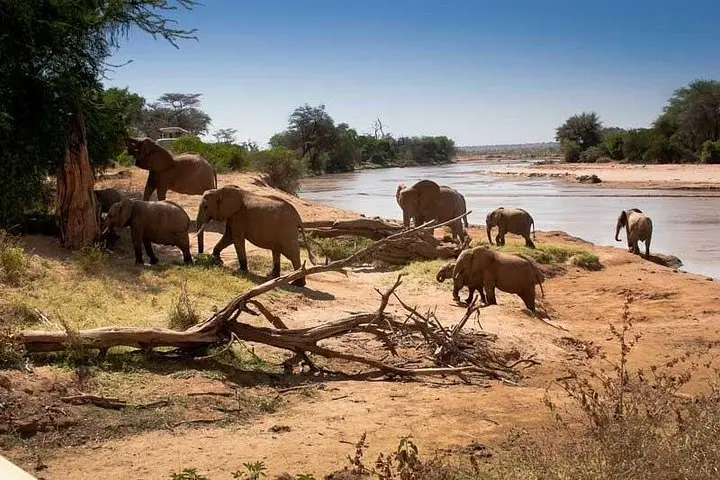
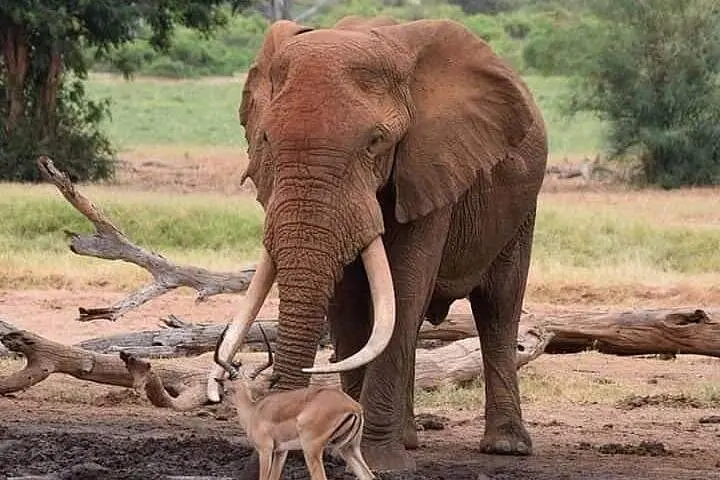
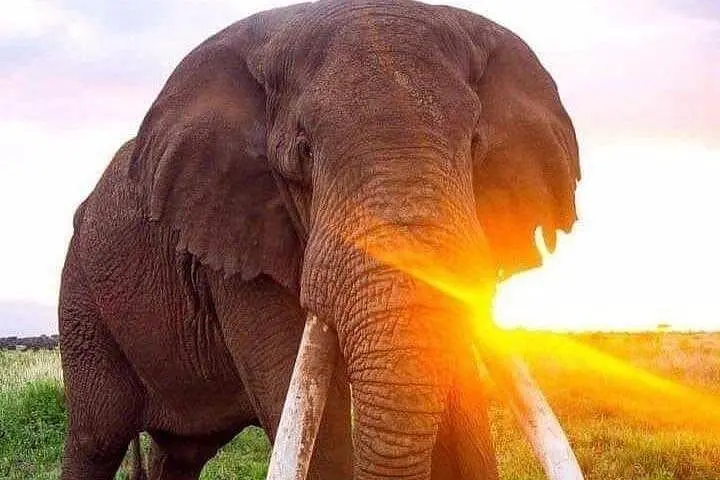

The Land Cruiser threads past scrub and baobabs as the Tarangire River pulls the savannah toward itself — water that dares passing herds to linger. Dust hangs in the vehicle's wake while a tower of elephants moves like a slow tide across the plain; their trunks test the air and the river answers with the steady burble that haunts this park year-round.
The Land Cruiser threads past scrub and baobabs as the Tarangire River pulls the savannah toward itself — water that dares passing herds to linger. Dust hangs in the vehicle's wake while a tower of elephants moves like a slow tide across the plain; their trunks test the air and the river answers with the steady burble that haunts this park year-round.
Tarangire's story shifts from Hemingway-era hunting grounds to formal protection after Tanzania created national parks in the 1970s. The landscape is a hard, ancient one: volcanic highlands drain into alluvial flats lined by acacia and giant baobabs whose swollen trunks store the dry season's memory. Local Maasai pastoralists and resident birdlife add human and feathered chapters — more than 550 species have been recorded here, and the Masai ostrich is a regular show-stopper.
On a day trip from Arusha expect a 2–3 hour transfer each way, a full-day circuit through riverine woodlands and open savannah, a picnic lunch, and long, patient viewing sessions at watering holes where lions, buffalos, wildebeest and giraffe congregate. The river is the magnet in the dry months (July–October), compressing wildlife into dramatic, watchable scenes; in the rains animals scatter across greener hills.
Practical notes: bring binoculars and layered sun protection, charge camera batteries, and keep to the vehicle and marked tracks — park rules exist to protect both people and wildlife. Vehicles are the primary vantage; short guided walks are rare. Arrive early for the light and the best animal movement, and leave room in your schedule for slow, sudden encounters — Tarangire rewards patience.