THE ADVENTURE COLLECTIVE® · Independent discovery and booking for outdoor travel

Spend a day in Tarangire National Park tracking elephant herds, baobab-lined avenues, and concentrated wildlife along the Tarangire River. This practical day-safari guide covers what to expect, when to go, and how to prepare for the park’s dusty tracks and big-game sightings.
Spend a day in Tarangire National Park tracking elephant herds, baobab-lined avenues, and concentrated wildlife along the Tarangire River. This practical day-safari guide covers what to expect, when to go, and how to prepare for the park’s dusty tracks and big-game sightings.
Dust lifts off the track as the 4x4 hums toward the Tarangire River and a line of silver-barked baobabs looms into view. Early light pins acacia silhouettes against the rift-floor horizon; elephants move like slow weather, grouping and parting as they follow water. The park’s river and seasonal swamps act like a magnet in the dry months, concentrating wildlife into readable passages for game drives.
Verified experiences and guided adventures in the surrounding area.
Operated by Kilinge Adventures · Arusha, Arusha Region
Dust lifts off the track as the 4x4 hums toward the Tarangire River and a line of silver-barked baobabs looms into view. Early light pins acacia silhouettes against the rift-floor horizon; elephants move like slow weather, grouping and parting as they follow water. The park’s river and seasonal swamps act like a magnet in the dry months, concentrating wildlife into readable passages for game drives.
Tarangire National Park, established in 1970 and covering roughly 2,600 km², sits on the eastern edge of the Great Rift Valley. Geology here is broad, low-lying hills carved by ancient rift activity; soils and seasonal flooding support acacia woodland, mopane, and the iconic baobab. Culturally the area sits within Maasai country—herd movement, traditional bomas, and grazing patterns remain visible from park roads and add human context to the wild scene.
On a day tour expect two game drives—morning and afternoon—separated by a picnic lunch. Wildlife highlights commonly include large elephant herds, plains game, and abundant birdlife; sightings vary by season and water availability. Vehicles are 4x4 safari jeeps with professional guides who read game and track animals across wide-open plains and shaded riverines.
Practical advice: start at first light for the best viewing and cooler temps, bring binoculars and sun protection, and prepare for dusty, bumpy roads. Carry refillable water and modest layers for cool mornings. Respect local guides and Maasai lands; tipping (guide gratuity ~US$15–25 per vehicle) supports the service and local economy. With straightforward planning, a day in Tarangire delivers close wildlife encounters and clear impressions of East African savanna ecology.
Typical day tours run 10–12 hours with two game drives and a picnic lunch; transportation is usually provided in a 4x4 safari jeep and a professional guide leads the drives.
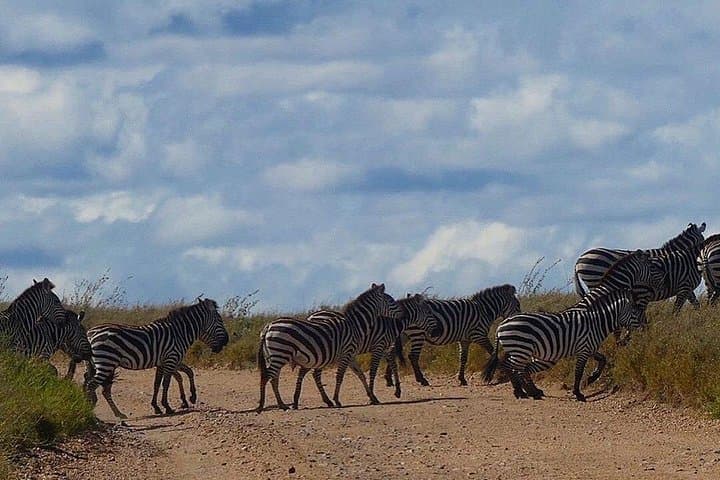
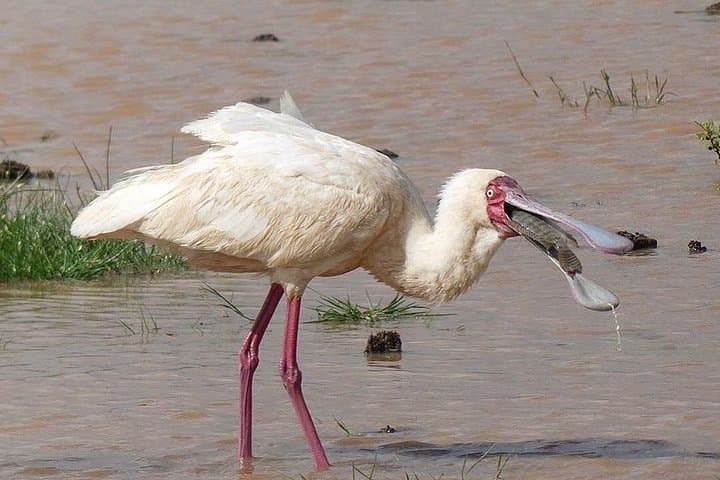
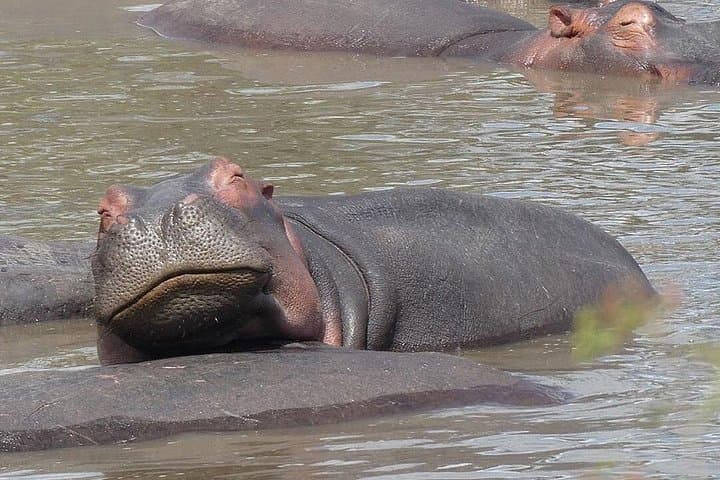
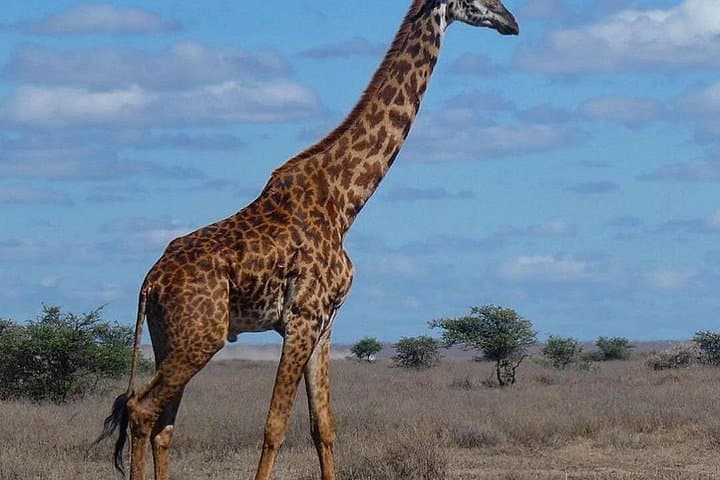
Tarangire commonly hosts large elephant herds, giraffe, buffalo, plains antelope, and a rich bird population; predators are present but sightings depend on season and luck.
This itinerary is rated easy and vehicles are accessible, but uneven terrain and vehicle transfers may be challenging for some—check with the operator about wheelchair-accessible provisions noted in the booking details.
Consult a travel clinic before departure; malaria risk exists in northern Tanzania and routine travel vaccines are recommended based on current health guidance.
Kilinge Adventures operates guided outdoor trips and adventures with an emphasis on safety, stewardship, and memorable experiences.
Dust lifts off the track as the 4x4 hums toward the Tarangire River and a line of silver-barked baobabs looms into view. Early light pins acacia silhouettes against the rift-floor horizon; elephants move like slow weather, grouping and parting as they follow water. The park’s river and seasonal swamps act like a magnet in the dry months, concentrating wildlife into readable passages for game drives.
Dust lifts off the track as the 4x4 hums toward the Tarangire River and a line of silver-barked baobabs looms into view. Early light pins acacia silhouettes against the rift-floor horizon; elephants move like slow weather, grouping and parting as they follow water. The park’s river and seasonal swamps act like a magnet in the dry months, concentrating wildlife into readable passages for game drives.
Tarangire National Park, established in 1970 and covering roughly 2,600 km², sits on the eastern edge of the Great Rift Valley. Geology here is broad, low-lying hills carved by ancient rift activity; soils and seasonal flooding support acacia woodland, mopane, and the iconic baobab. Culturally the area sits within Maasai country—herd movement, traditional bomas, and grazing patterns remain visible from park roads and add human context to the wild scene.
On a day tour expect two game drives—morning and afternoon—separated by a picnic lunch. Wildlife highlights commonly include large elephant herds, plains game, and abundant birdlife; sightings vary by season and water availability. Vehicles are 4x4 safari jeeps with professional guides who read game and track animals across wide-open plains and shaded riverines.
Practical advice: start at first light for the best viewing and cooler temps, bring binoculars and sun protection, and prepare for dusty, bumpy roads. Carry refillable water and modest layers for cool mornings. Respect local guides and Maasai lands; tipping (guide gratuity ~US$15–25 per vehicle) supports the service and local economy. With straightforward planning, a day in Tarangire delivers close wildlife encounters and clear impressions of East African savanna ecology.