THE ADVENTURE COLLECTIVE® · Independent discovery and booking for outdoor travel

A one-day game drive from Arusha to Tarangire puts you close to huge elephant herds, iconic baobabs and the life-giving Tarangire River. This guide explains what to expect, when to go, and how to prepare for a high-value wildlife day.
A one-day game drive from Arusha to Tarangire puts you close to huge elephant herds, iconic baobabs and the life-giving Tarangire River. This guide explains what to expect, when to go, and how to prepare for a high-value wildlife day.
You step out of the vehicle and the air tastes of dust and river-thin green. The Tarangire River threads the valley below, daring you to keep your eyes off the water as elephants and herds move like slow weather toward the banks. Baobab trunks loom like old watchmen; acacias cast dappled shade over plains that brighten and dissolve with every animal sighting.
Verified experiences and guided adventures in the surrounding area.
Operated by Gracepatt Safaris · Arusha, Manyara Region
You step out of the vehicle and the air tastes of dust and river-thin green. The Tarangire River threads the valley below, daring you to keep your eyes off the water as elephants and herds move like slow weather toward the banks. Baobab trunks loom like old watchmen; acacias cast dappled shade over plains that brighten and dissolve with every animal sighting.
Tarangire was designated a national park in 1970 and occupies roughly 2,850 km² of acacia savanna, seasonal floodplains and dry woodlands. Geologically it sits on a shallow rift-scarred plain; hydrology is everything here — the river provides a year-round lifeline that concentrates wildlife during the dry months. Culturally, the park sits on Masai grazing lands; small villages and grazing corridors frame the park’s edges and sightings often include both wildlife and pastoral life.
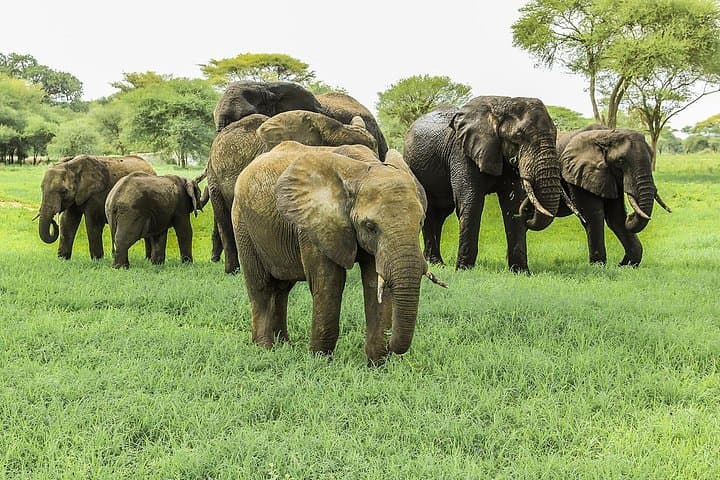
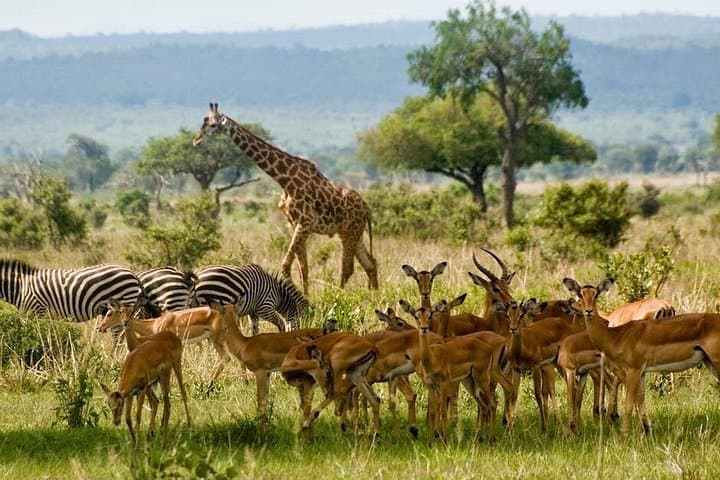
Expect a full-day rhythm: an approximately two-hour drive from Arusha, a morning game drive through riverine pockets and baobab-studded plains, a picnic lunch at a designated area, then an afternoon push for predators and late light. Wildlife highlights include huge elephant herds, Masai giraffe, buffalo, and species more specific to Tarangire like greater kudu and fringe-eared oryx. Keep camera batteries topped and lenses ready; animals cluster near water in the dry season (July–October), making compact, high-value viewing.
Practical guidance: wear sun protection and comfortable shoes, bring binoculars and layered clothing for cool early mornings and hotter afternoons, carry cash for park snacks or tips, and follow your guide’s instructions around wildlife. A day here is both patient and punctuated — prepare to sit quietly, then move fast when the game does.
The drive to Tarangire typically takes about two hours each way depending on traffic and pickup location, making this a full-day outing.
Yes; national park fees are included in the tour price as listed in the trip inclusions.
Tarangire is famous for large elephant populations and sightings are very likely, especially in the dry season when animals congregate at the river, but wildlife can never be guaranteed.
Children can join but must be accompanied by an adult; the tour is not recommended for travelers with serious spinal injuries due to long vehicle rides over uneven roads.
Gracepatt Safaris operates guided outdoor trips and adventures with an emphasis on safety, stewardship, and memorable experiences.
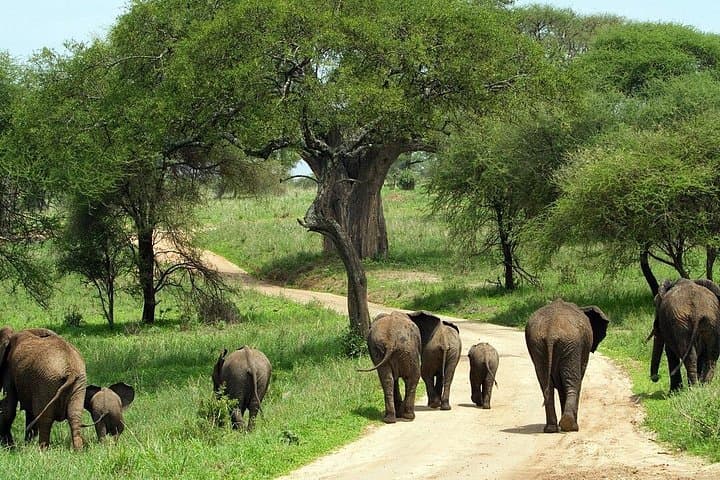
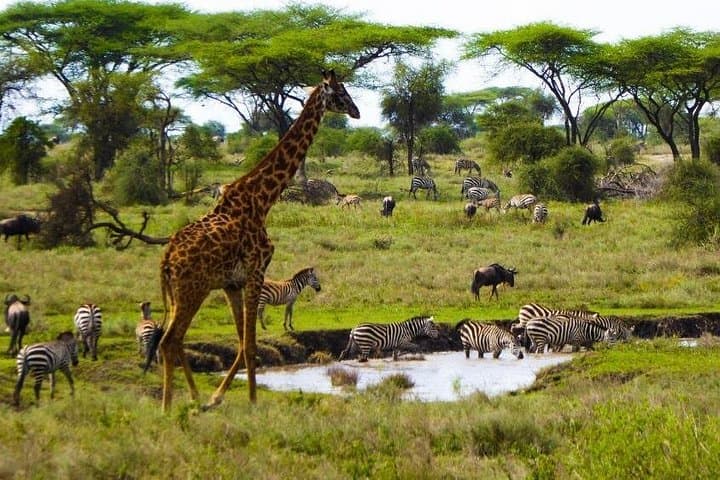
You step out of the vehicle and the air tastes of dust and river-thin green. The Tarangire River threads the valley below, daring you to keep your eyes off the water as elephants and herds move like slow weather toward the banks. Baobab trunks loom like old watchmen; acacias cast dappled shade over plains that brighten and dissolve with every animal sighting.
You step out of the vehicle and the air tastes of dust and river-thin green. The Tarangire River threads the valley below, daring you to keep your eyes off the water as elephants and herds move like slow weather toward the banks. Baobab trunks loom like old watchmen; acacias cast dappled shade over plains that brighten and dissolve with every animal sighting.
Tarangire was designated a national park in 1970 and occupies roughly 2,850 km² of acacia savanna, seasonal floodplains and dry woodlands. Geologically it sits on a shallow rift-scarred plain; hydrology is everything here — the river provides a year-round lifeline that concentrates wildlife during the dry months. Culturally, the park sits on Masai grazing lands; small villages and grazing corridors frame the park’s edges and sightings often include both wildlife and pastoral life.
Expect a full-day rhythm: an approximately two-hour drive from Arusha, a morning game drive through riverine pockets and baobab-studded plains, a picnic lunch at a designated area, then an afternoon push for predators and late light. Wildlife highlights include huge elephant herds, Masai giraffe, buffalo, and species more specific to Tarangire like greater kudu and fringe-eared oryx. Keep camera batteries topped and lenses ready; animals cluster near water in the dry season (July–October), making compact, high-value viewing.
Practical guidance: wear sun protection and comfortable shoes, bring binoculars and layered clothing for cool early mornings and hotter afternoons, carry cash for park snacks or tips, and follow your guide’s instructions around wildlife. A day here is both patient and punctuated — prepare to sit quietly, then move fast when the game does.