THE ADVENTURE COLLECTIVE® · Independent discovery and booking for outdoor travel

Spend a full day in Tarangire National Park chasing towering baobabs and dense herds of elephants on a shared 12‑hour game drive from Arusha. Expect long drives on sandy tracks, excellent birding, and clear windows of peak wildlife activity at dawn and dusk.
Spend a full day in Tarangire National Park chasing towering baobabs and dense herds of elephants on a shared 12‑hour game drive from Arusha. Expect long drives on sandy tracks, excellent birding, and clear windows of peak wildlife activity at dawn and dusk.
You rattle out of Arusha before sunup, the road turning from town dust to red earth as the horizon lights up over Tarangire's floodplain. By first light the baobabs throw long shadows and elephant families gather at the Tarangire River, trunks busy and ears fanning in the warming air—this is the rhythm of a day here: slow, surprising, and relentlessly alive.
Verified experiences and guided adventures in the surrounding area.
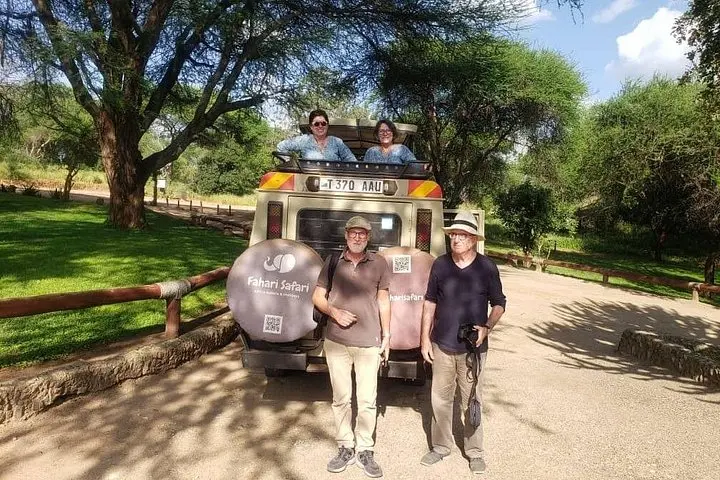
Operated by Fahari Safaris · Arusha Town, Arusha Region
You rattle out of Arusha before sunup, the road turning from town dust to red earth as the horizon lights up over Tarangire's floodplain. By first light the baobabs throw long shadows and elephant families gather at the Tarangire River, trunks busy and ears fanning in the warming air—this is the rhythm of a day here: slow, surprising, and relentlessly alive.
Tarangire sits at roughly 1,100–1,300 m elevation on Tanzania’s northern circuit. Geologically it’s a gently rolling mix of volcanic soils, seasonal floodplains and acacia-dotted ridges; the Tarangire River stitches the park together and determines where animals congregate in the dry months. The area has long been part of Maasai grazing lands, and traditional use patterns still shape wildlife movements today.
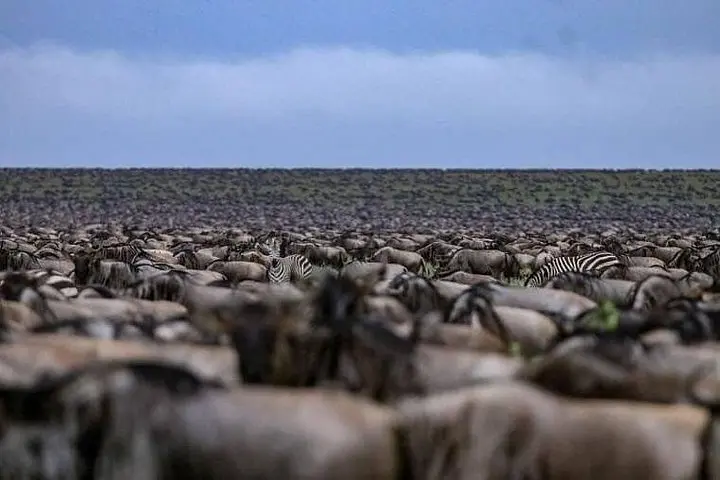
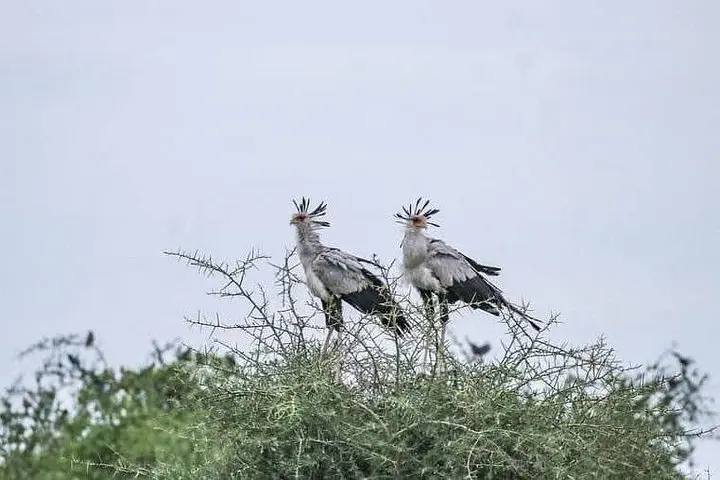
On a shared 12-hour game drive expect long stretches of grassland, pockets of dense riverine forest, and sandy track driving. Typical sightings include large elephant herds, giraffe, zebra, buffalo and predators opportunistically moving through the acacia and baobab groves. Birdwatchers will spot resident and migratory species among more than 500 recorded birds.
Practical guidance: bring a sun hat, layered clothing for chilly mornings, binoculars and a camera with a mid-tele lens. Start early—animal activity peaks at dawn and late afternoon—and pack water and snacks (these are included on most operators). Respect park rules: remain in the vehicle, keep noise low, and avoid sudden movements.
A day here is less about distance hiked and more about time spent watching: patience rewards you with close encounters and the slow choreography of Tarangire’s wildlife.
This is a 12‑hour shared day tour from Arusha that includes unlimited game drives in Tarangire, lunch, snacks and bottled water; park fees and guide services are typically included—confirm at booking.
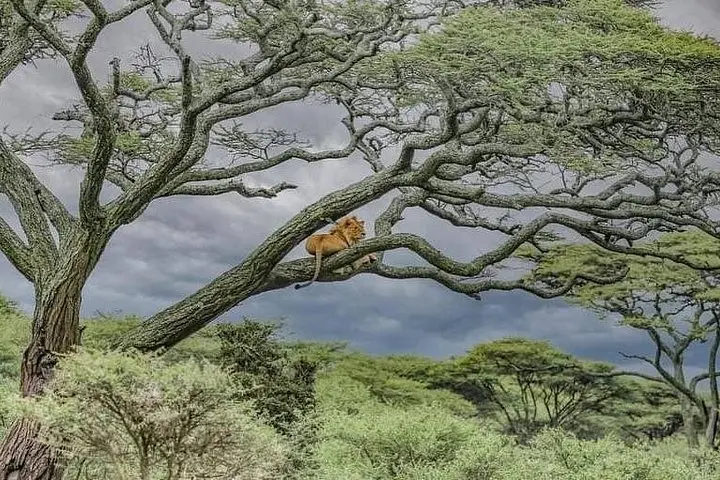
Tarangire is known for large elephant herds, giraffes, zebras, buffalo, predators like lions and hyenas, and abundant birdlife—sightings vary by season and luck.
The tour is family-friendly but involves long vehicle time and some bumpy tracks; not recommended for travelers with serious back or heart problems—check provider restrictions.
Consult your health provider about malaria prophylaxis and routine travel vaccinations; carry any prescribed meds and a basic first-aid kit.
Fahari Safaris operates guided outdoor trips and adventures with an emphasis on safety, stewardship, and memorable experiences.
You rattle out of Arusha before sunup, the road turning from town dust to red earth as the horizon lights up over Tarangire's floodplain. By first light the baobabs throw long shadows and elephant families gather at the Tarangire River, trunks busy and ears fanning in the warming air—this is the rhythm of a day here: slow, surprising, and relentlessly alive.
You rattle out of Arusha before sunup, the road turning from town dust to red earth as the horizon lights up over Tarangire's floodplain. By first light the baobabs throw long shadows and elephant families gather at the Tarangire River, trunks busy and ears fanning in the warming air—this is the rhythm of a day here: slow, surprising, and relentlessly alive.
Tarangire sits at roughly 1,100–1,300 m elevation on Tanzania’s northern circuit. Geologically it’s a gently rolling mix of volcanic soils, seasonal floodplains and acacia-dotted ridges; the Tarangire River stitches the park together and determines where animals congregate in the dry months. The area has long been part of Maasai grazing lands, and traditional use patterns still shape wildlife movements today.
On a shared 12-hour game drive expect long stretches of grassland, pockets of dense riverine forest, and sandy track driving. Typical sightings include large elephant herds, giraffe, zebra, buffalo and predators opportunistically moving through the acacia and baobab groves. Birdwatchers will spot resident and migratory species among more than 500 recorded birds.
Practical guidance: bring a sun hat, layered clothing for chilly mornings, binoculars and a camera with a mid-tele lens. Start early—animal activity peaks at dawn and late afternoon—and pack water and snacks (these are included on most operators). Respect park rules: remain in the vehicle, keep noise low, and avoid sudden movements.
A day here is less about distance hiked and more about time spent watching: patience rewards you with close encounters and the slow choreography of Tarangire’s wildlife.