THE ADVENTURE COLLECTIVE® · Independent discovery and booking for outdoor travel

A full-day Tarangire safari puts you face-to-face with large elephant herds, baobab-studded plains, and concentrated wildlife around the seasonal river. Ideal for photographers and first-time safarists, this trip combines predictable sightings with a classic East African landscape.
A full-day Tarangire safari puts you face-to-face with large elephant herds, baobab-studded plains, and concentrated wildlife around the seasonal river. Ideal for photographers and first-time safarists, this trip combines predictable sightings with a classic East African landscape.
Early light pulls a dust ribbon across the plain as a Land Cruiser eases toward the river; a cluster of elephants lifts trunks like slow question marks against the skyline. Tarangire National Park, an hour-and-a-half drive from Arusha, feels immediate and unforced: wide floodplain, cracked red earth, and ancient baobabs that throw broad, shady silhouettes over the track.
Verified experiences and guided adventures in the surrounding area.
Operated by Matta African Luxury Safari · Arusha, Manyara Region
Early light pulls a dust ribbon across the plain as a Land Cruiser eases toward the river; a cluster of elephants lifts trunks like slow question marks against the skyline. Tarangire National Park, an hour-and-a-half drive from Arusha, feels immediate and unforced: wide floodplain, cracked red earth, and ancient baobabs that throw broad, shady silhouettes over the track.
Geology here is simple and readable—the park sits on rolling volcanic soils carved by seasonal rivers. Its human history runs from Maasai grazing routes to colonial conservation policy that set aside this corridor as a refuge for migratory wildlife. Today Tarangire’s seasonal river is the magnet: during dry months wildlife concentrates along its banks, making close, early-morning sightings common.
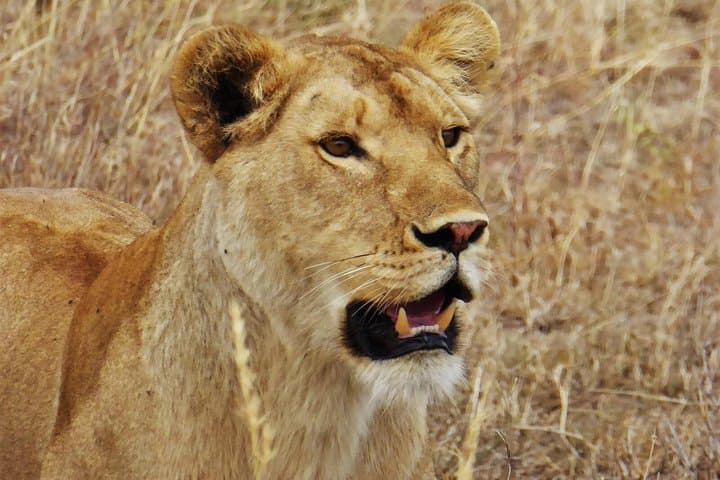
Expect a day of game drives rather than hiking—open-roof vehicles are the standard, and guides read spoor and scrub with practiced economy. Elephants are the headline; lion, leopard, giraffe, and the surprising tree-climbing python are regulars when conditions align. Birders will note raptors and waterbirds where pools persist.
Practical edge: depart early to catch cooler air and active predators; pack layered clothing, sun protection, and a compact pair of binoculars. Roads vary from hard-packed tracks to soft sand after rains; a 4x4 and experienced driver are essential. Bring cash for park fees or souvenirs, and keep a respectful distance from wildlife—viewing is best when animals remain undisturbed. A full-day trip runs roughly 7–10 hours with picnic lunch; comfortable shoes are enough for short walks at designated stops.
Typical transfer time is about 1.5–2 hours each way depending on traffic and the exact pickup point in Arusha.
Many tours include park entry—confirm before booking; some operators add fees at pickup if not included.
Yes—most operators provide infant seats and the route is suitable for families, but check vehicle capacity and safety options when booking.
Elephants are the most reliable sighting, with good chances for giraffe, zebra, buffalo and a variety of antelope; predators are seen but less guaranteed.
Matta African Luxury Safari operates guided outdoor trips and adventures with an emphasis on safety, stewardship, and memorable experiences.


Early light pulls a dust ribbon across the plain as a Land Cruiser eases toward the river; a cluster of elephants lifts trunks like slow question marks against the skyline. Tarangire National Park, an hour-and-a-half drive from Arusha, feels immediate and unforced: wide floodplain, cracked red earth, and ancient baobabs that throw broad, shady silhouettes over the track.
Early light pulls a dust ribbon across the plain as a Land Cruiser eases toward the river; a cluster of elephants lifts trunks like slow question marks against the skyline. Tarangire National Park, an hour-and-a-half drive from Arusha, feels immediate and unforced: wide floodplain, cracked red earth, and ancient baobabs that throw broad, shady silhouettes over the track.
Geology here is simple and readable—the park sits on rolling volcanic soils carved by seasonal rivers. Its human history runs from Maasai grazing routes to colonial conservation policy that set aside this corridor as a refuge for migratory wildlife. Today Tarangire’s seasonal river is the magnet: during dry months wildlife concentrates along its banks, making close, early-morning sightings common.
Expect a day of game drives rather than hiking—open-roof vehicles are the standard, and guides read spoor and scrub with practiced economy. Elephants are the headline; lion, leopard, giraffe, and the surprising tree-climbing python are regulars when conditions align. Birders will note raptors and waterbirds where pools persist.
Practical edge: depart early to catch cooler air and active predators; pack layered clothing, sun protection, and a compact pair of binoculars. Roads vary from hard-packed tracks to soft sand after rains; a 4x4 and experienced driver are essential. Bring cash for park fees or souvenirs, and keep a respectful distance from wildlife—viewing is best when animals remain undisturbed. A full-day trip runs roughly 7–10 hours with picnic lunch; comfortable shoes are enough for short walks at designated stops.