THE ADVENTURE COLLECTIVE® · Independent discovery and booking for outdoor travel

Spend a full day tracking Tarangire’s famed elephant herds and baobab-studded floodplain on a small-group game drive. This 9-hour safari delivers close wildlife concentrations in the dry season and practical tips for a comfortable, camera-ready day out.
Spend a full day tracking Tarangire’s famed elephant herds and baobab-studded floodplain on a small-group game drive. This 9-hour safari delivers close wildlife concentrations in the dry season and practical tips for a comfortable, camera-ready day out.
Sunrise cracks over a ring of ancient baobabs and the 4x4 judders onto a dust road that seems to lead straight into a painting of ochre plains and scattered acacia.
Verified experiences and guided adventures in the surrounding area.
Operated by Enroute Africa · Mto wa Mbu, Manyara Region
Sunrise cracks over a ring of ancient baobabs and the 4x4 judders onto a dust road that seems to lead straight into a painting of ochre plains and scattered acacia.
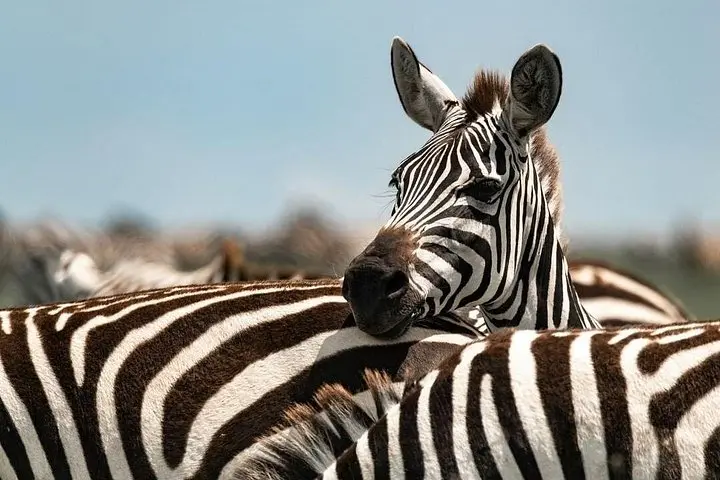
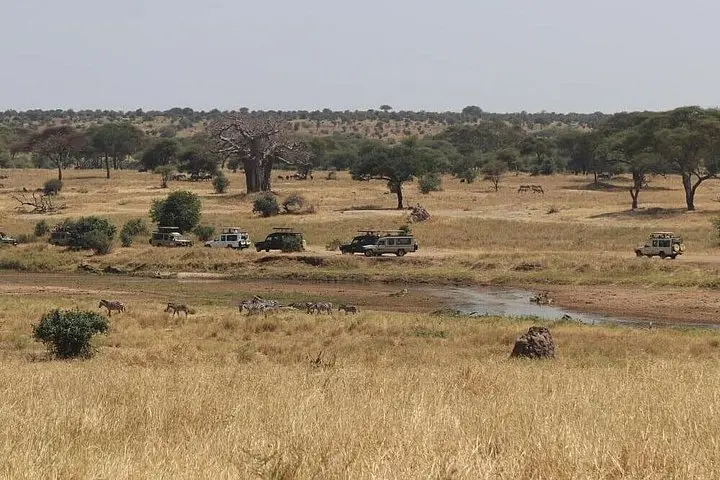
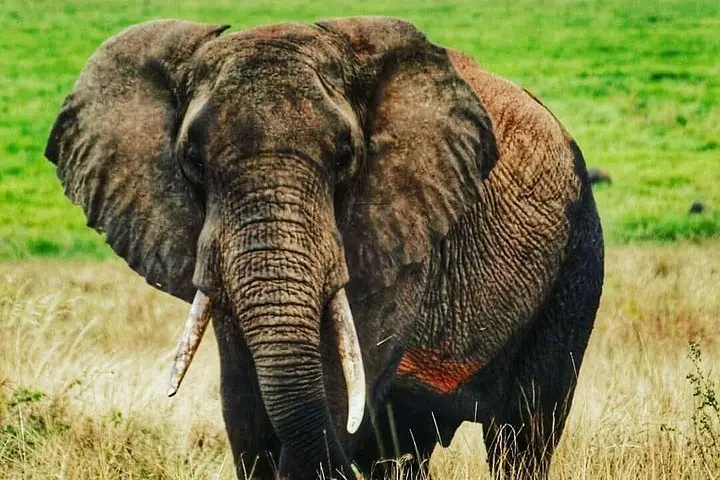
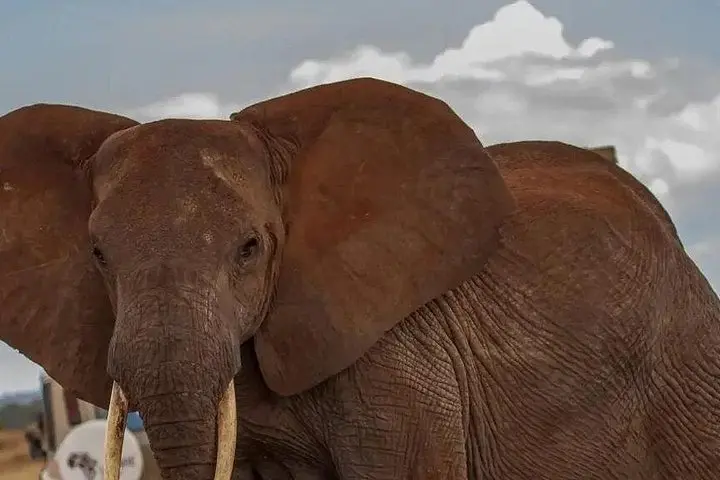
Tarangire’s river meanders like a stubborn line through the park, daring herds to linger. By midmorning you’ll watch elephants move with deliberate weight beneath swollen branches, and spot herds of wildebeest, zebra and gazelle funneling toward the river during the dry months. The park covers roughly 2,600 km², ranks among Tanzania’s largest, and is defined by its seasonal floodplain and the iconic baobab trees that mark old watercourses.
Human stories are close at hand: Maasai communities graze livestock on the park’s edges and centuries-old migration patterns still shape where animals concentrate. Tarangire was designated a national park in 1970 to protect its distinct floodplain ecology; the river and its seasonal pulses structure both geology and life here.
Practical edge: expect a full 9-hour day from Arusha (roughly 1.5–2 hours drive each way). Small-group game drives keep stops flexible—this tour often runs with up to six travelers and includes park entry, lunch and transport. Best wildlife viewing is in the dry season (June–October) when animals compress toward water. Bring binoculars, layered sun protection, a refillable water bottle and a camera with a decent zoom. Health notes: not recommended for those with spinal, cardiac conditions or pregnancy due to long vehicle time and rough roads. Keep distance from wildlife, follow your guide’s cues, and plan your arrival and departure to catch golden light for predator and elephant activity.
Typical transfer time is about 1.5–2 hours each way depending on traffic and road conditions; allow extra time for early-morning pickups.
Tarangire is known for large elephant herds, wildebeest, zebra and buffalo, plus lions, cheetahs and leopards—concentrations peak in the dry season.
Yes; this tour includes Tarangire National Park entry/admision as well as stated transport and lunch in the itinerary.
Children are allowed, but infants must sit on an adult’s lap; the tour is not recommended for travelers with spinal, cardiac issues or for pregnant guests.
Enroute Africa operates guided outdoor trips and adventures with an emphasis on safety, stewardship, and memorable experiences.
Sunrise cracks over a ring of ancient baobabs and the 4x4 judders onto a dust road that seems to lead straight into a painting of ochre plains and scattered acacia.
Sunrise cracks over a ring of ancient baobabs and the 4x4 judders onto a dust road that seems to lead straight into a painting of ochre plains and scattered acacia.
Tarangire’s river meanders like a stubborn line through the park, daring herds to linger. By midmorning you’ll watch elephants move with deliberate weight beneath swollen branches, and spot herds of wildebeest, zebra and gazelle funneling toward the river during the dry months. The park covers roughly 2,600 km², ranks among Tanzania’s largest, and is defined by its seasonal floodplain and the iconic baobab trees that mark old watercourses.
Human stories are close at hand: Maasai communities graze livestock on the park’s edges and centuries-old migration patterns still shape where animals concentrate. Tarangire was designated a national park in 1970 to protect its distinct floodplain ecology; the river and its seasonal pulses structure both geology and life here.
Practical edge: expect a full 9-hour day from Arusha (roughly 1.5–2 hours drive each way). Small-group game drives keep stops flexible—this tour often runs with up to six travelers and includes park entry, lunch and transport. Best wildlife viewing is in the dry season (June–October) when animals compress toward water. Bring binoculars, layered sun protection, a refillable water bottle and a camera with a decent zoom. Health notes: not recommended for those with spinal, cardiac conditions or pregnancy due to long vehicle time and rough roads. Keep distance from wildlife, follow your guide’s cues, and plan your arrival and departure to catch golden light for predator and elephant activity.