THE ADVENTURE COLLECTIVE® · Independent discovery and booking for outdoor travel

Drive from Arusha into Tarangire’s wide plains to watch huge elephant herds, baobab-studded landscapes and river-centered wildlife. This full-day private safari pairs a pop-up-roof vehicle with a picnic lunch and expert local guiding.
Drive from Arusha into Tarangire’s wide plains to watch huge elephant herds, baobab-studded landscapes and river-centered wildlife. This full-day private safari pairs a pop-up-roof vehicle with a picnic lunch and expert local guiding.
The morning light slides across the open plain as your vehicle heads south from Arusha, the city falling away and the silhouette of baobabs coming into sharper focus.
Verified experiences and guided adventures in the surrounding area.
Operated by Wildtrip Safaris Tanzania · Tarangire National Park, Manyara Region
The morning light slides across the open plain as your vehicle heads south from Arusha, the city falling away and the silhouette of baobabs coming into sharper focus.
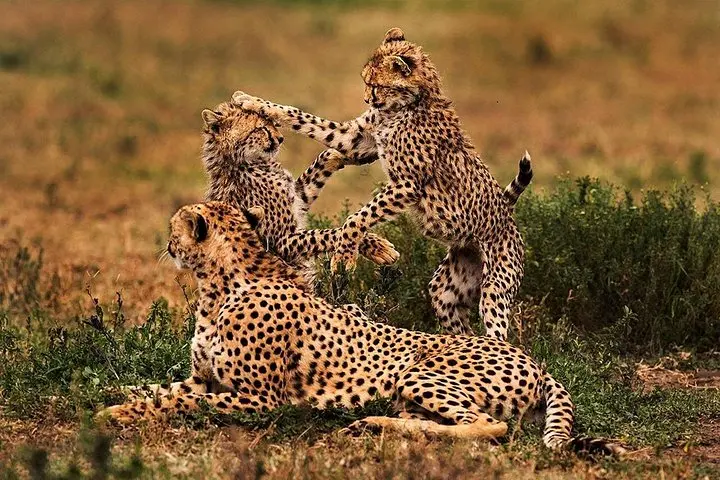
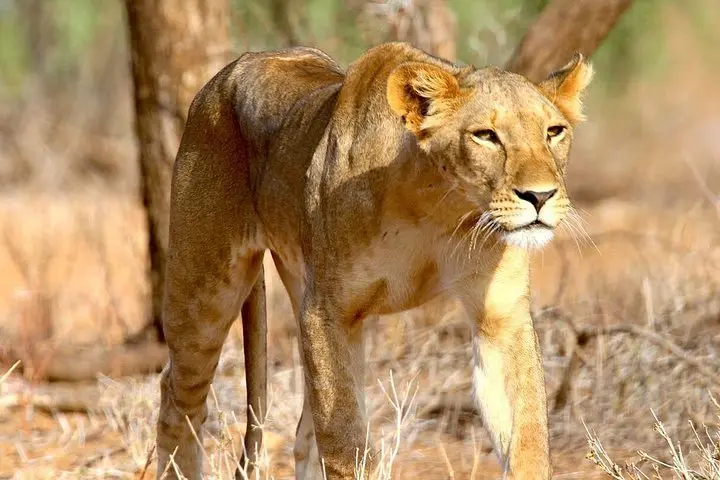
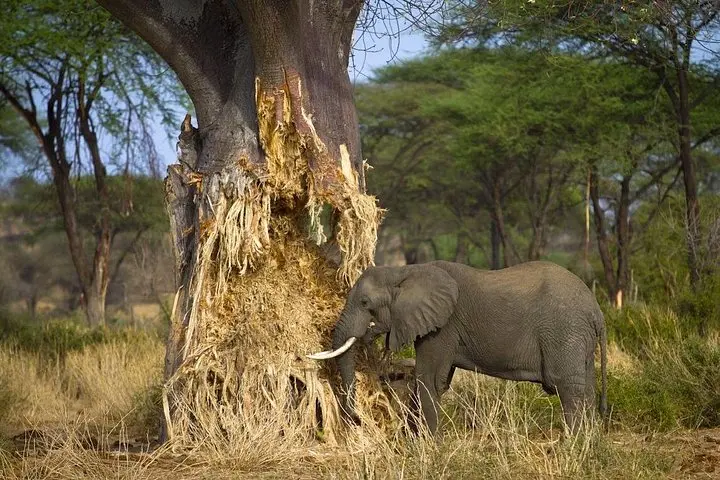
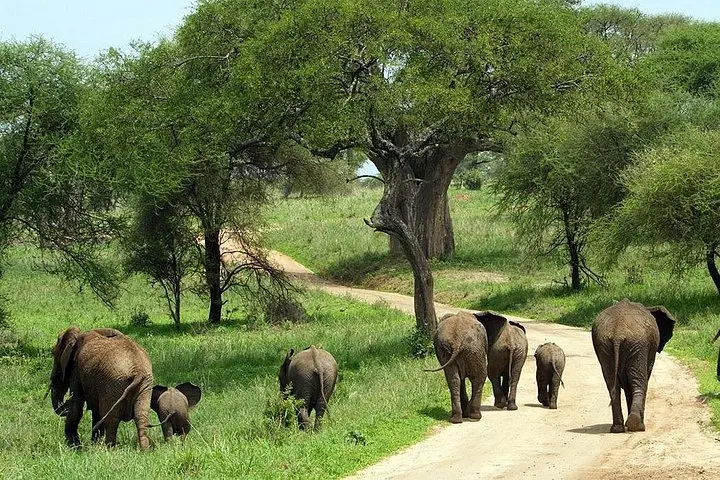
Tarangire’s low hills and broad savanna open like a stage; termite mounds rise like markers and the Tarangire River pulls wildlife toward its permanent water. The park is famous for Tanzania’s largest elephant aggregations and an unusually high density of birdlife — hornbills, roller species and waterfowl often punctuate long views. Geologically simple but striking, the ground is punctuated by ancient volcanic rock and compacted termite architecture that shapes animal pathways.
Locally the park sits within Manyara’s pastoral landscape; Maasai grazing lands fringe the protected area and cultural history here is visible in homestead clusters and seasonal cattle movements. Conservation in Tarangire has focused on protecting migratory corridors and riverine habitat that sustain herds through dry months.
Practical guidance: the full-day drive from Arusha takes roughly three hours each way (about 300 km roundtrip), with 6–10 hours in-park game viewing. Vehicles typically feature pop-up roofs for better viewing; bring binoculars, a wide-angle zoom lens and neutral clothing to blend into the plains. Expect dusty roads and strong sun—hydrate early and often. Guides will provide a packed lunch at a picnic site around midday and brief at pickup. Best wildlife sightings concentrate in the dry season (June–October) when animals congregate at the river, but birding is strong in the wet months.
This is a low-impact, accessible safari for travelers seeking immersive, seat-and-scan wildlife viewing without long hikes or technical gear.
Expect about a 2.5–3 hour drive each way depending on traffic and road conditions; plan for 8–10 hours total including game viewing.
This tour listing includes fees and taxes as well as a packed lunch and bottled water according to the operator’s inclusions.
The dry season (June–October) concentrates animals around the Tarangire River, improving elephant and predator sightings; bird diversity peaks in the wet months.
The tour is marked as wheelchair and stroller accessible and suitable for all fitness levels, but check specific vehicle accessibility and infant seating with the operator.
Wildtrip Safaris Tanzania operates guided outdoor trips and adventures with an emphasis on safety, stewardship, and memorable experiences.
The morning light slides across the open plain as your vehicle heads south from Arusha, the city falling away and the silhouette of baobabs coming into sharper focus.
The morning light slides across the open plain as your vehicle heads south from Arusha, the city falling away and the silhouette of baobabs coming into sharper focus.
Tarangire’s low hills and broad savanna open like a stage; termite mounds rise like markers and the Tarangire River pulls wildlife toward its permanent water. The park is famous for Tanzania’s largest elephant aggregations and an unusually high density of birdlife — hornbills, roller species and waterfowl often punctuate long views. Geologically simple but striking, the ground is punctuated by ancient volcanic rock and compacted termite architecture that shapes animal pathways.
Locally the park sits within Manyara’s pastoral landscape; Maasai grazing lands fringe the protected area and cultural history here is visible in homestead clusters and seasonal cattle movements. Conservation in Tarangire has focused on protecting migratory corridors and riverine habitat that sustain herds through dry months.
Practical guidance: the full-day drive from Arusha takes roughly three hours each way (about 300 km roundtrip), with 6–10 hours in-park game viewing. Vehicles typically feature pop-up roofs for better viewing; bring binoculars, a wide-angle zoom lens and neutral clothing to blend into the plains. Expect dusty roads and strong sun—hydrate early and often. Guides will provide a packed lunch at a picnic site around midday and brief at pickup. Best wildlife sightings concentrate in the dry season (June–October) when animals congregate at the river, but birding is strong in the wet months.
This is a low-impact, accessible safari for travelers seeking immersive, seat-and-scan wildlife viewing without long hikes or technical gear.