THE ADVENTURE COLLECTIVE® · Independent discovery and booking for outdoor travel

A full-day safari from Moshi that puts you into Tarangire’s elephant country and baobab plains. Expect long game drives, dusty tracks and concentrated wildlife viewing near seasonal waterholes.
A full-day safari from Moshi that puts you into Tarangire’s elephant country and baobab plains. Expect long game drives, dusty tracks and concentrated wildlife viewing near seasonal waterholes.
Dust rises off the dirt road as the minibus leaves Moshi behind, the Kilimanjaro region falling away until the horizon opens on a sea of acacia and baobab silhouettes. Within an hour or two the trees thicken, and the park’s elephants begin to appear at waterholes—large shapes that move with a casual certainty, reshaping the plain as you watch.
Verified experiences and guided adventures in the surrounding area.
Operated by Sere adventure Safari · Moshi, Kilimanjaro Region
Dust rises off the dirt road as the minibus leaves Moshi behind, the Kilimanjaro region falling away until the horizon opens on a sea of acacia and baobab silhouettes. Within an hour or two the trees thicken, and the park’s elephants begin to appear at waterholes—large shapes that move with a casual certainty, reshaping the plain as you watch.
Tarangire National Park, protected since the 1970s, sits on the edge of the Great Rift Valley and drains into seasonal marshes that concentrate wildlife. The bedrock is volcanic-plain basalt and the terrain ranges from open grassland to riverine thickets dominated by ancient baobabs—trees that store water and shade in equal measure. Maasai grazing patterns and pastoral culture are visible around park boundaries; local guides often share quick cultural notes during drives.
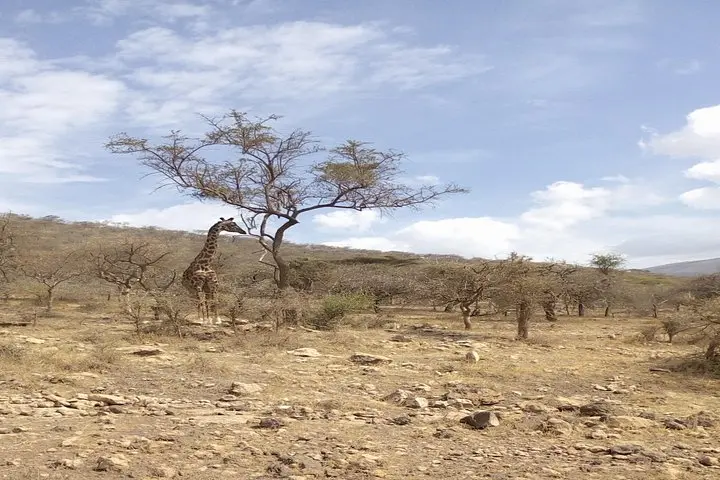
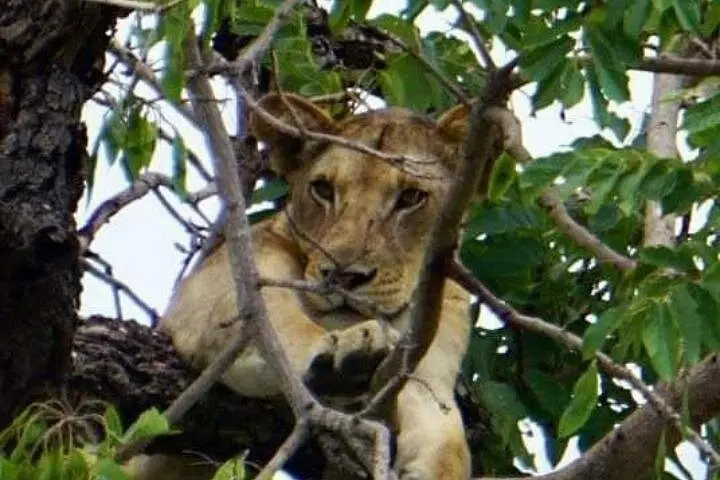
Expect a full 10-hour day: roughly 2–3 hours each way from Moshi and about 4–6 hours of game-drive time inside the park on well-worn 4x4 tracks. Elevation sits near 900–1,200 m, so heat and dust matter more than steep climbs. Wildlife viewing is the draw—large herds of elephant, giraffe, zebra and predators that follow concentrations of prey.
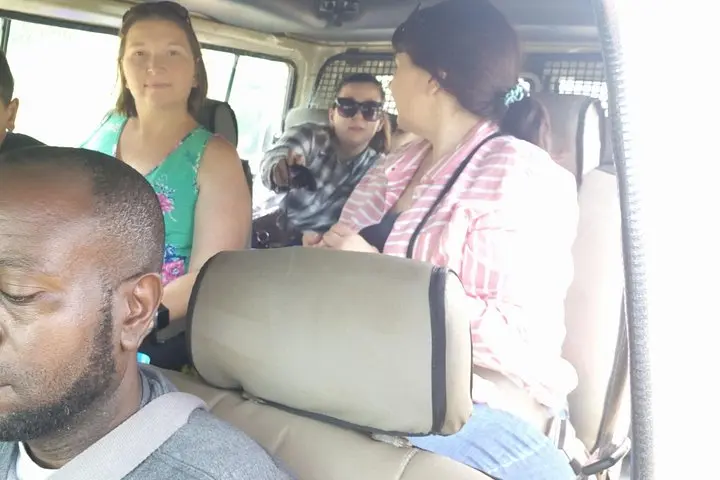
Practically: go early for the best light and active animals, bring layered sun protection, and carry binoculars and a good camera. The tour includes bottled water, lunch and onboard Wi‑Fi, but pack snacks and a light rain jacket in the wet months. Roads are bumpy; motion sickness meds and a firm seat help. With a local driver-guide, this is an accessible, high-reward safari for first-time and repeat visitors alike.
Expect roughly 2–3 hours each way depending on traffic and road conditions; the full excursion is about 10 hours including time in the park.
Tarangire is known for large elephant herds and sightings are common, especially at waterholes, but wildlife cannot be guaranteed.
Yes—this is a vehicle-based day trip with minimal walking; organizers typically list the tour as suitable for all fitness levels.
Typical inclusions are bottled water, lunch, park fees and round-trip transport; confirm specifics like Wi‑Fi or special dietary needs when booking.
Sere adventure Safari operates guided outdoor trips and adventures with an emphasis on safety, stewardship, and memorable experiences.
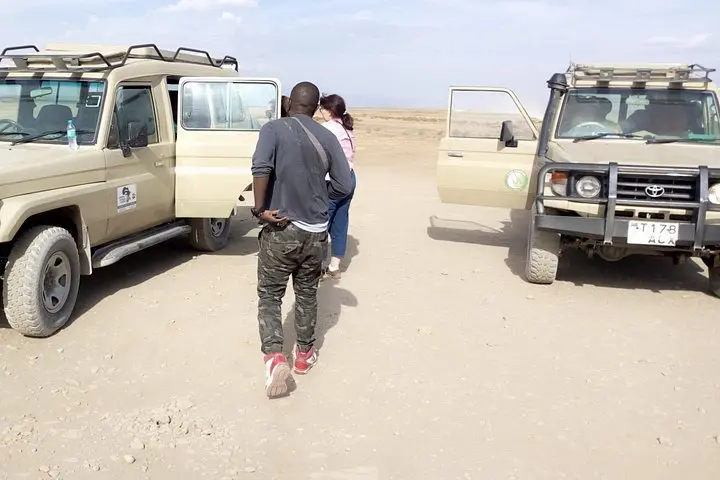
Dust rises off the dirt road as the minibus leaves Moshi behind, the Kilimanjaro region falling away until the horizon opens on a sea of acacia and baobab silhouettes. Within an hour or two the trees thicken, and the park’s elephants begin to appear at waterholes—large shapes that move with a casual certainty, reshaping the plain as you watch.
Dust rises off the dirt road as the minibus leaves Moshi behind, the Kilimanjaro region falling away until the horizon opens on a sea of acacia and baobab silhouettes. Within an hour or two the trees thicken, and the park’s elephants begin to appear at waterholes—large shapes that move with a casual certainty, reshaping the plain as you watch.
Tarangire National Park, protected since the 1970s, sits on the edge of the Great Rift Valley and drains into seasonal marshes that concentrate wildlife. The bedrock is volcanic-plain basalt and the terrain ranges from open grassland to riverine thickets dominated by ancient baobabs—trees that store water and shade in equal measure. Maasai grazing patterns and pastoral culture are visible around park boundaries; local guides often share quick cultural notes during drives.
Expect a full 10-hour day: roughly 2–3 hours each way from Moshi and about 4–6 hours of game-drive time inside the park on well-worn 4x4 tracks. Elevation sits near 900–1,200 m, so heat and dust matter more than steep climbs. Wildlife viewing is the draw—large herds of elephant, giraffe, zebra and predators that follow concentrations of prey.
Practically: go early for the best light and active animals, bring layered sun protection, and carry binoculars and a good camera. The tour includes bottled water, lunch and onboard Wi‑Fi, but pack snacks and a light rain jacket in the wet months. Roads are bumpy; motion sickness meds and a firm seat help. With a local driver-guide, this is an accessible, high-reward safari for first-time and repeat visitors alike.