THE ADVENTURE COLLECTIVE® · Independent discovery and booking for outdoor travel

Spend a full day in Tarangire National Park watching huge elephant herds and ancient baobabs frame the Tarangire River. This guide outlines what to expect on a one-day safari from Arusha, plus practical tips for timing, gear, and wildlife viewing.
Spend a full day in Tarangire National Park watching huge elephant herds and ancient baobabs frame the Tarangire River. This guide outlines what to expect on a one-day safari from Arusha, plus practical tips for timing, gear, and wildlife viewing.
A full-day safari to Tarangire opens with the truck's diesel hum before sunrise and the park's broad horizon releasing heat in waves. Early light paints baobab trunks gold while elephant herds move like slow storms across the plain. The Tarangire River threads the park, daring wildlife to concentrate where water remains and making game drives intensely productive, especially in the dry months.
Verified experiences and guided adventures in the surrounding area.
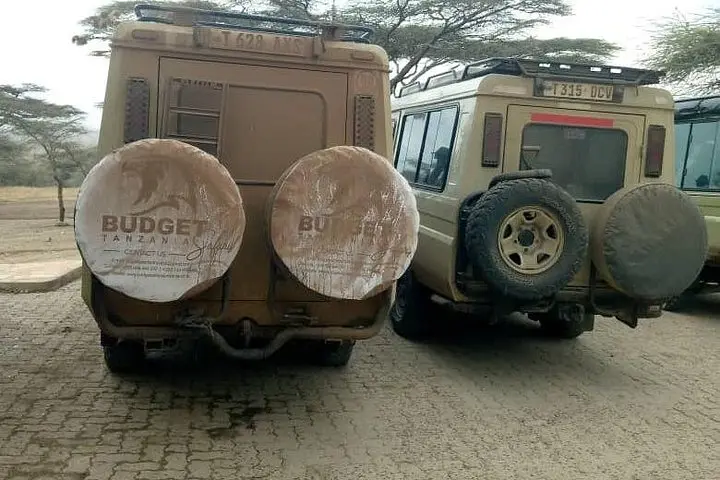
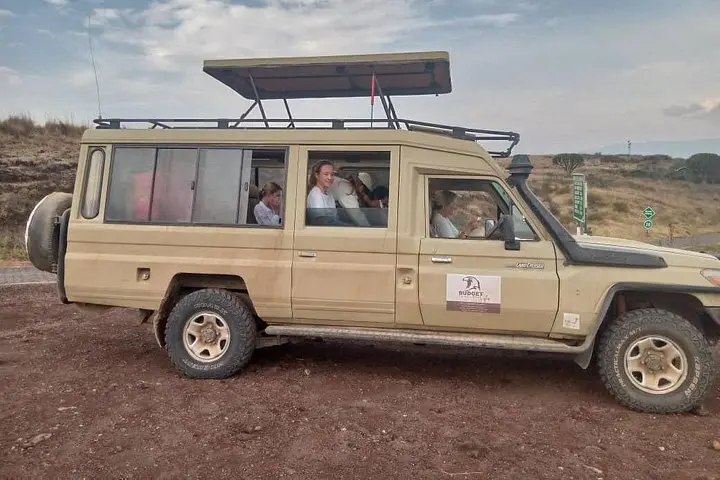
Operated by Budget Safaris Tanzania · Arusha, Arusha Region
A full-day safari to Tarangire opens with the truck's diesel hum before sunrise and the park's broad horizon releasing heat in waves. Early light paints baobab trunks gold while elephant herds move like slow storms across the plain. The Tarangire River threads the park, daring wildlife to concentrate where water remains and making game drives intensely productive, especially in the dry months.
Geologically the park sits on ancient floodplain and volcanic soils that sustain the scrub, acacia woodland, and those oversized baobabs—their swollen trunks storing water through long dry seasons. The modern human story here is closely braided with the Maasai who graze livestock at the park margins; their knowledge of seasonal movements shaped the landscape long before formal protections were introduced when Tarangire was designated a national park around 1970.
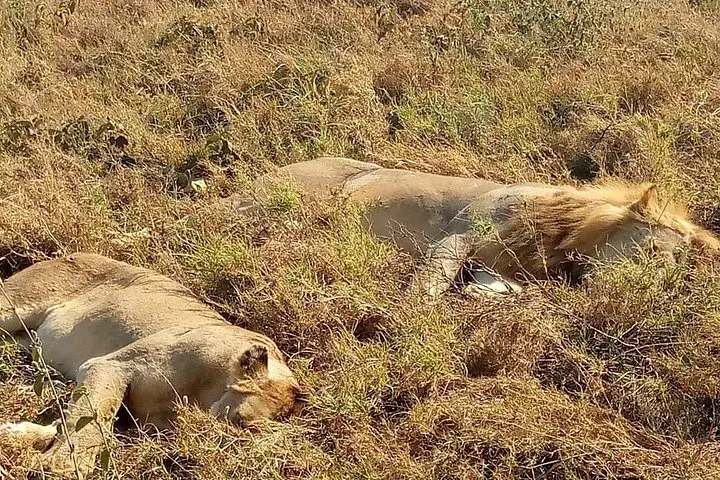
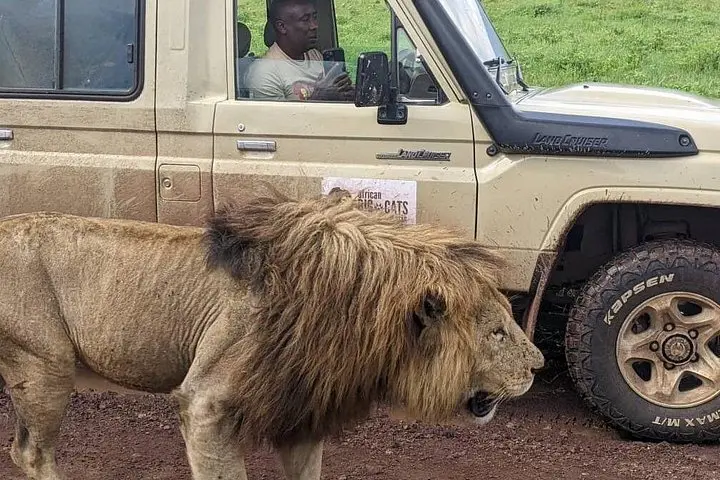
Visitors should expect long minutes watching elephant family politics, impala spooked into sprint, and the occasional predator staking out the riverbanks. Drives are mostly on graded dirt roads; short walking safaris may be offered and require steady footing. Pack water and layered clothing: mornings can be cool, afternoons hot, and dust is constant. Binoculars and a camera with a mid-range zoom make the difference between seeing and remembering.
Practical notes: pickups from Arusha make this a true day trip—plan for roughly 7 hours in the park and up to two hours round-trip transfer each way depending on road conditions. Respect park rules, keep windows closed during predator sightings, and tip guides locally for knowledgeable, safety-focused interpretation.
Travel time is typically 1.5–2 hours each way depending on traffic and road conditions; plan for a 7-hour park visit within a full-day schedule.
Tarangire is known for large elephant populations and sightings are common year-round, especially during the dry season when animals concentrate near the river.
On this full-day excursion meals and park fees are included in the listed inclusions; confirm specific dietary needs at booking.
The trip is generally family-friendly, but it involves long vehicle periods and occasional short walks; contact the operator about mobility restrictions before booking.
Budget Safaris Tanzania operates guided outdoor trips and adventures with an emphasis on safety, stewardship, and memorable experiences.
A full-day safari to Tarangire opens with the truck's diesel hum before sunrise and the park's broad horizon releasing heat in waves. Early light paints baobab trunks gold while elephant herds move like slow storms across the plain. The Tarangire River threads the park, daring wildlife to concentrate where water remains and making game drives intensely productive, especially in the dry months.
A full-day safari to Tarangire opens with the truck's diesel hum before sunrise and the park's broad horizon releasing heat in waves. Early light paints baobab trunks gold while elephant herds move like slow storms across the plain. The Tarangire River threads the park, daring wildlife to concentrate where water remains and making game drives intensely productive, especially in the dry months.
Geologically the park sits on ancient floodplain and volcanic soils that sustain the scrub, acacia woodland, and those oversized baobabs—their swollen trunks storing water through long dry seasons. The modern human story here is closely braided with the Maasai who graze livestock at the park margins; their knowledge of seasonal movements shaped the landscape long before formal protections were introduced when Tarangire was designated a national park around 1970.
Visitors should expect long minutes watching elephant family politics, impala spooked into sprint, and the occasional predator staking out the riverbanks. Drives are mostly on graded dirt roads; short walking safaris may be offered and require steady footing. Pack water and layered clothing: mornings can be cool, afternoons hot, and dust is constant. Binoculars and a camera with a mid-range zoom make the difference between seeing and remembering.
Practical notes: pickups from Arusha make this a true day trip—plan for roughly 7 hours in the park and up to two hours round-trip transfer each way depending on road conditions. Respect park rules, keep windows closed during predator sightings, and tip guides locally for knowledgeable, safety-focused interpretation.