THE ADVENTURE COLLECTIVE® · Independent discovery and booking for outdoor travel

A compact two-day safari that pairs Tarangire’s elephant-rich riverbanks with the staggering wildlife density of Ngorongoro Crater. Expect dawn game drives, simple camping, Maasai cultural touches and close-up encounters with iconic East African species.
A compact two-day safari that pairs Tarangire’s elephant-rich riverbanks with the staggering wildlife density of Ngorongoro Crater. Expect dawn game drives, simple camping, Maasai cultural touches and close-up encounters with iconic East African species.
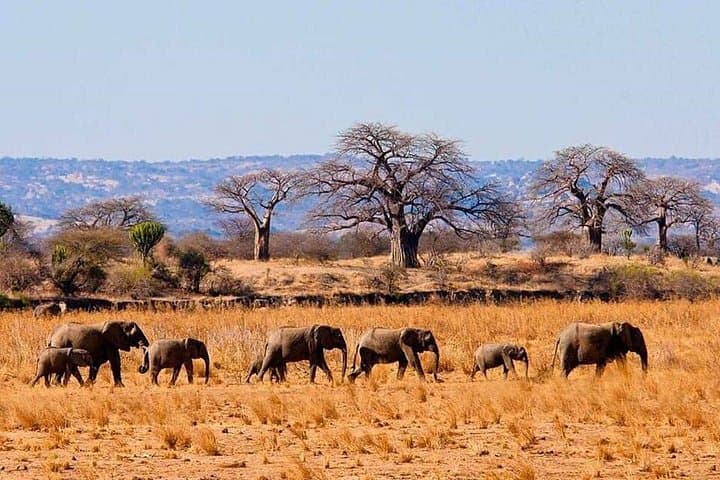
Morning light breaks over a flat savanna and the silhouette of a baobab throws a long, patient shadow across the track. On this two-day guided safari, a khaki-roofed 4x4 becomes both lookout and shelter as elephants gather at the Tarangire River and the rim of Ngorongoro drops away into a world full of predators and plains game.
Verified experiences and guided adventures in the surrounding area.
Operated by MORAKA AFRICA SAFARIS · Arusha, Arusha Region
Morning light breaks over a flat savanna and the silhouette of a baobab throws a long, patient shadow across the track. On this two-day guided safari, a khaki-roofed 4x4 becomes both lookout and shelter as elephants gather at the Tarangire River and the rim of Ngorongoro drops away into a world full of predators and plains game.
Geology and people shape every scene: Tarangire’s sandy soils and seasonal river make it a reliable elephant magnet, while Ngorongoro is the world’s largest unbroken caldera—an extinct volcano that now holds lakes, swamps and dense wildlife. Maasai communities have grazed these highlands for generations; on this trip local guides often explain cultural rhythms and seasonal movement that balance livestock with predators.
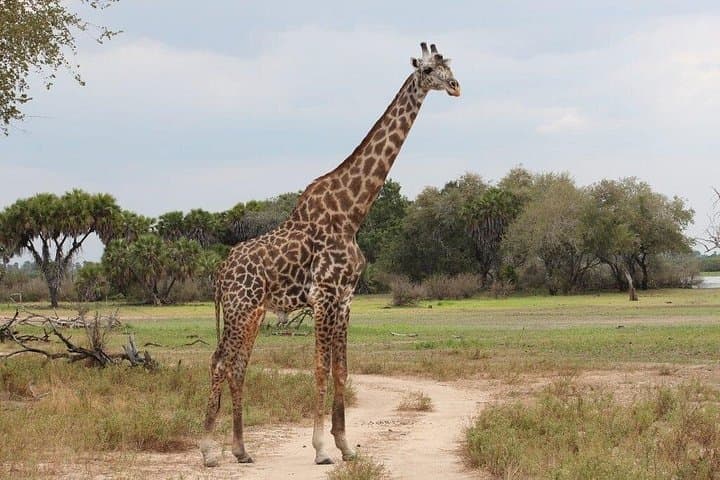
Expect long game drives at dawn and late afternoon, sundowners by the campsite and simple camp dinners under an expansive sky. Wildlife viewing favors patient observation—lions tolerate the passing of days, leopards require a trained eye, and flamingos gather in shallow pools when rains permit. The experience is sensory: the river’s call seems to pull grazing herds, the crater’s rim offers sudden panoramas and the campfire’s heat draws the group together.
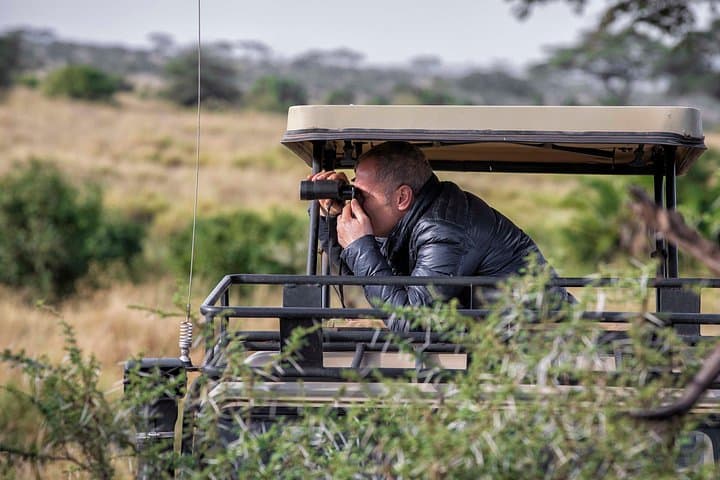
Practical guidance: start early to catch predators before midday heat, pack layered clothing for cool crater mornings and hot afternoons, bring binoculars and insect repellent, and carry cash for curios. Be ready for unpaved roads and occasional long drives between parks; the trip suits travelers comfortable with basic camping and vehicle-based safaris.
This tour lists fees and taxes in its inclusions, so park and conservation fees are typically included—confirm at booking for any recent changes.
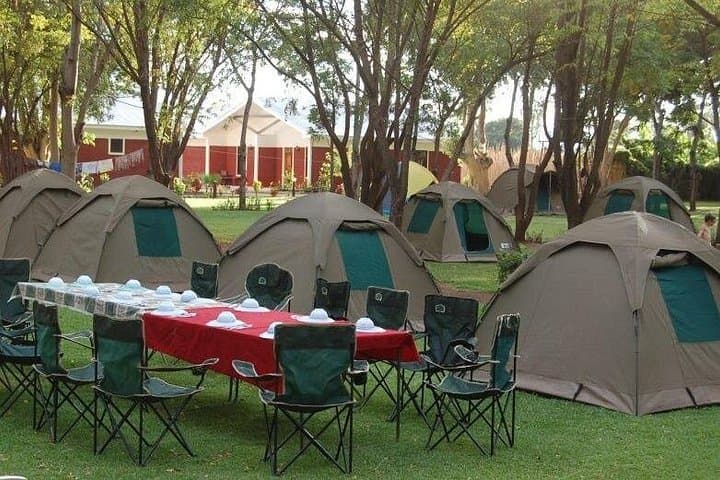
Camping is basic to mid-range with provided sleeping arrangements at a lodge or campsite; expect shared facilities and simple meals by campfire.
The operator notes accessibility in transport but advises against travelers with serious back or heart conditions; young children can join but check vehicle seating and safety rules.
Health recommendations change—consult a travel clinic for current malaria prevention and routine vaccinations well before travel.
MORAKA AFRICA SAFARIS operates guided outdoor trips and adventures with an emphasis on safety, stewardship, and memorable experiences.
Morning light breaks over a flat savanna and the silhouette of a baobab throws a long, patient shadow across the track. On this two-day guided safari, a khaki-roofed 4x4 becomes both lookout and shelter as elephants gather at the Tarangire River and the rim of Ngorongoro drops away into a world full of predators and plains game.
Morning light breaks over a flat savanna and the silhouette of a baobab throws a long, patient shadow across the track. On this two-day guided safari, a khaki-roofed 4x4 becomes both lookout and shelter as elephants gather at the Tarangire River and the rim of Ngorongoro drops away into a world full of predators and plains game.
Geology and people shape every scene: Tarangire’s sandy soils and seasonal river make it a reliable elephant magnet, while Ngorongoro is the world’s largest unbroken caldera—an extinct volcano that now holds lakes, swamps and dense wildlife. Maasai communities have grazed these highlands for generations; on this trip local guides often explain cultural rhythms and seasonal movement that balance livestock with predators.
Expect long game drives at dawn and late afternoon, sundowners by the campsite and simple camp dinners under an expansive sky. Wildlife viewing favors patient observation—lions tolerate the passing of days, leopards require a trained eye, and flamingos gather in shallow pools when rains permit. The experience is sensory: the river’s call seems to pull grazing herds, the crater’s rim offers sudden panoramas and the campfire’s heat draws the group together.
Practical guidance: start early to catch predators before midday heat, pack layered clothing for cool crater mornings and hot afternoons, bring binoculars and insect repellent, and carry cash for curios. Be ready for unpaved roads and occasional long drives between parks; the trip suits travelers comfortable with basic camping and vehicle-based safaris.