THE ADVENTURE COLLECTIVE® · Independent discovery and booking for outdoor travel

Two days of game drives link Tarangire’s baobab-studded plains with the wildlife-packed bowl of Ngorongoro Crater. This compact overnight safari balances high-probability sightings with practical logistics for first-time safari travelers.
Two days of game drives link Tarangire’s baobab-studded plains with the wildlife-packed bowl of Ngorongoro Crater. This compact overnight safari balances high-probability sightings with practical logistics for first-time safari travelers.
Morning light pulls across a scrubbed plain as a convoy turns toward Tarangire’s riverbed, dust rising and the first elephants of the day moving like slow weather. The park’s baobabs loom with blunt branches, and lions lounge where shade meets thorn—the landscape here feels elemental, as if the land itself watches the animals pass.
Verified experiences and guided adventures in the surrounding area.
Operated by Adventure Bats · Karatu, Arusha Region
Morning light pulls across a scrubbed plain as a convoy turns toward Tarangire’s riverbed, dust rising and the first elephants of the day moving like slow weather. The park’s baobabs loom with blunt branches, and lions lounge where shade meets thorn—the landscape here feels elemental, as if the land itself watches the animals pass.
Tarangire’s lowland plains and seasonal river underpin a long-running wildlife rhythm tied to rainfall. Geologically Ngorongoro is different: a collapsed volcanic caldera with steep walls that trap a dense mix of species on its crater floor. Culturally, Maasai pastoralists share the wider landscape; their traditional presence and grazing patterns remain part of conservation conversations that shaped the Ngorongoro Conservation Area and its UNESCO status.
Expect two days of vehicle-based game drives, one night spent at a lodge, tented camp, or campsite near Karatu or inside Tarangire. Drives are timed for sunrise and mid-morning activity; the crater’s closed bowl geometry concentrates wildlife, making sightings frequent year-round. Photographers should plan for long lenses and fast shutter speeds; binoculars are essential.
Practical: wear layered sun protection for hot days and cool mornings; bring at least 2–3 liters of water per person per day, insect repellent, and sturdy closed shoes for short walks. Timing matters—dry months (June–October) deliver easier tracking, while the green season offers dramatic migratory movement and newborns. Respect park rules: stay in the vehicle where required, keep distance from wildlife, and follow guides’ instructions to minimize disturbance. This two-day loop is compact but rich: it pairs Tarangire’s open savanna with Ngorongoro’s concentrated spectacle for an efficient, wildlife-forward safari.
Tarangire is about 2–3 hours from Arusha depending on the route; Ngorongoro Crater is roughly 3–4 hours from Arusha with stops en route.
Inclusions vary by operator; confirm whether conservation and park fees are covered in your booking or paid at the gate.
The tour is described as physically easy and vehicle-based, but short uneven walks may be required at camps; check accessibility details and inform the operator of special needs.
Seek travel health advice before departure; malaria prophylaxis is often recommended for northern Tanzania and vaccinations may be advised based on origin and itinerary.
Adventure Bats operates guided outdoor trips and adventures with an emphasis on safety, stewardship, and memorable experiences.
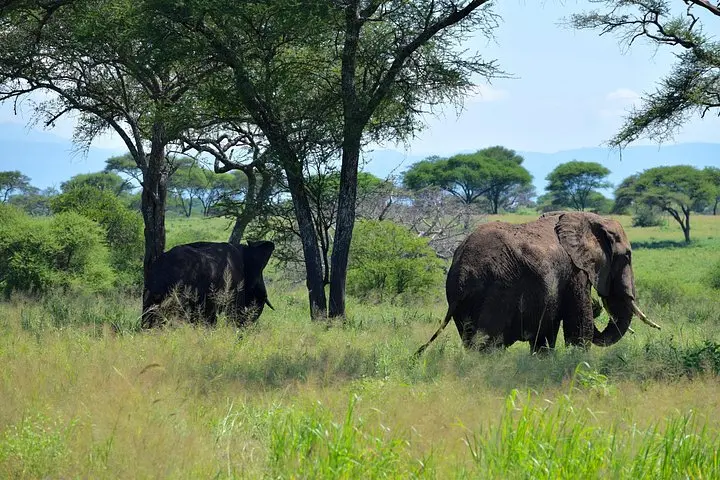
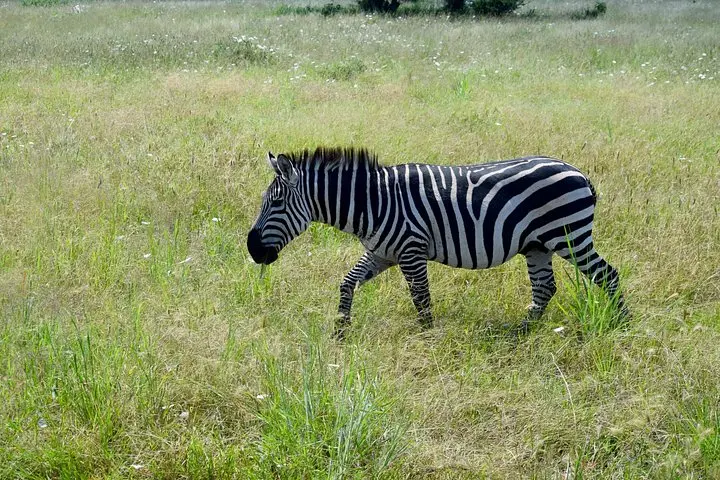
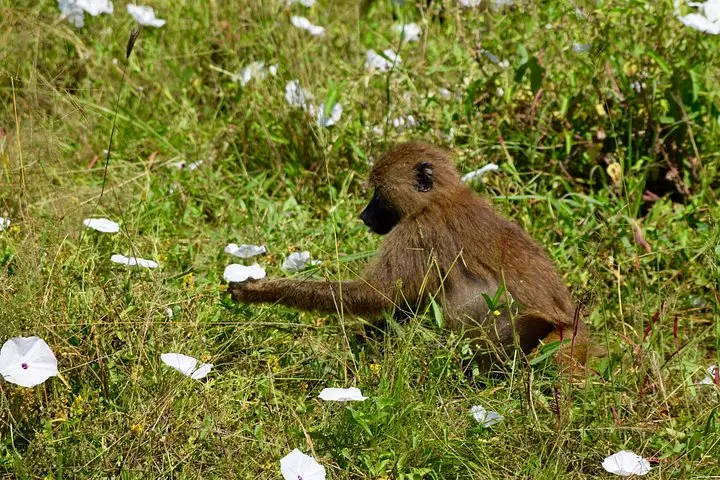
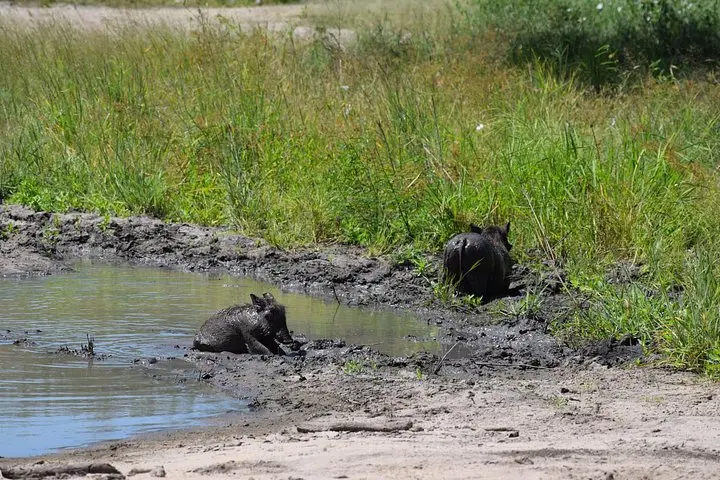
Morning light pulls across a scrubbed plain as a convoy turns toward Tarangire’s riverbed, dust rising and the first elephants of the day moving like slow weather. The park’s baobabs loom with blunt branches, and lions lounge where shade meets thorn—the landscape here feels elemental, as if the land itself watches the animals pass.
Morning light pulls across a scrubbed plain as a convoy turns toward Tarangire’s riverbed, dust rising and the first elephants of the day moving like slow weather. The park’s baobabs loom with blunt branches, and lions lounge where shade meets thorn—the landscape here feels elemental, as if the land itself watches the animals pass.
Tarangire’s lowland plains and seasonal river underpin a long-running wildlife rhythm tied to rainfall. Geologically Ngorongoro is different: a collapsed volcanic caldera with steep walls that trap a dense mix of species on its crater floor. Culturally, Maasai pastoralists share the wider landscape; their traditional presence and grazing patterns remain part of conservation conversations that shaped the Ngorongoro Conservation Area and its UNESCO status.
Expect two days of vehicle-based game drives, one night spent at a lodge, tented camp, or campsite near Karatu or inside Tarangire. Drives are timed for sunrise and mid-morning activity; the crater’s closed bowl geometry concentrates wildlife, making sightings frequent year-round. Photographers should plan for long lenses and fast shutter speeds; binoculars are essential.
Practical: wear layered sun protection for hot days and cool mornings; bring at least 2–3 liters of water per person per day, insect repellent, and sturdy closed shoes for short walks. Timing matters—dry months (June–October) deliver easier tracking, while the green season offers dramatic migratory movement and newborns. Respect park rules: stay in the vehicle where required, keep distance from wildlife, and follow guides’ instructions to minimize disturbance. This two-day loop is compact but rich: it pairs Tarangire’s open savanna with Ngorongoro’s concentrated spectacle for an efficient, wildlife-forward safari.