THE ADVENTURE COLLECTIVE® · Independent discovery and booking for outdoor travel

Spend a full day chasing elephant herds and baobab-lined floodplains in Tarangire National Park, then step into the rhythms of Maasai life. This Arusha-based day tour blends wildlife viewing with an immersive cultural visit.
Spend a full day chasing elephant herds and baobab-lined floodplains in Tarangire National Park, then step into the rhythms of Maasai life. This Arusha-based day tour blends wildlife viewing with an immersive cultural visit.
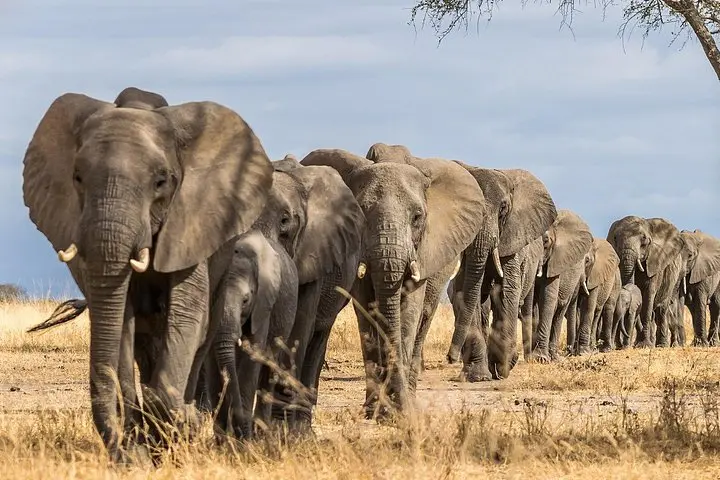
The morning light in Tarangire trims the baobabs in hard silver, and the air carries the distant rumble of elephant herds moving along the river.
Verified experiences and guided adventures in the surrounding area.
Operated by Melanated Safaris LTD. · Arusha, Arusha Region
The morning light in Tarangire trims the baobabs in hard silver, and the air carries the distant rumble of elephant herds moving along the river.
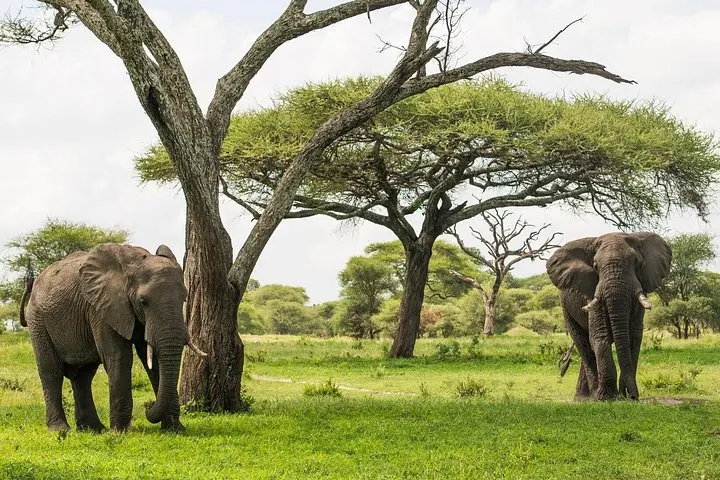
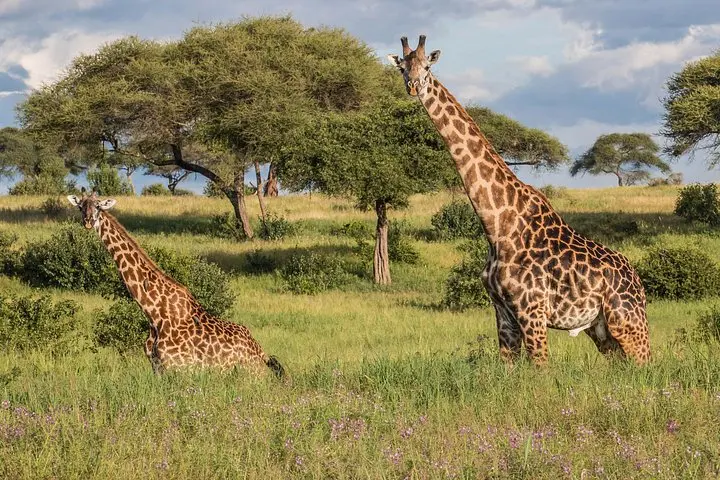
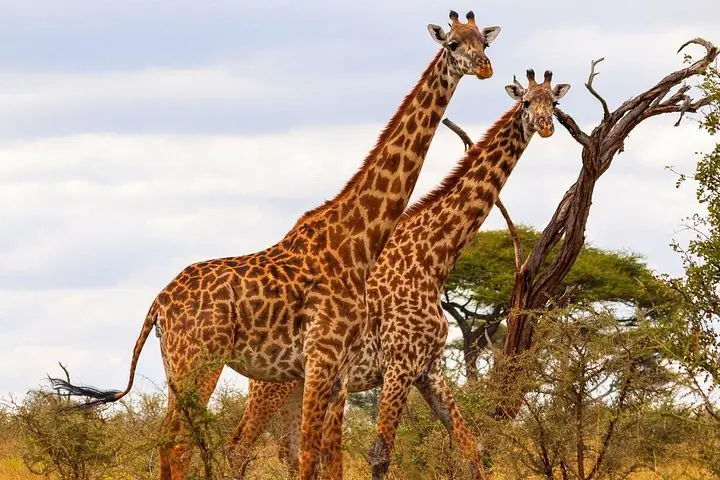
You meet the park from the dust-slick track—open savanna rolling to riverine gallery forest, punctuated by squat baobabs and termite mounds. Geologically, Tarangire sits on the eastern Rift flank at roughly 900–1,200 m elevation; seasonal rains swell the Tarangire River and turn plains into wildlife magnets. The park, created in 1970, protects this unique floodplain ecosystem and the migratory routes of elephants and wildebeest.
Culturally the day ends at a Maasai village where oral history, beadwork, and cattle culture shape daily life; visits are guided to be respectful and reciprocal. Expect straightforward cultural exchanges—song, dance, and demonstrations of traditional homes—followed by opportunities to purchase local crafts.
Practical guidance: this is an 8–9 hour shared day tour with roughly 2 hours’ drive each way from Arusha. Terrain is largely driven with short, vehicle-based walks possible; bring a wide-aperture camera or binoculars for wildlife viewing. Wear neutral-colored, comfortable layers for early chill and midday sun, sun protection, and insect repellent. Carry small cash for tips and purchases in the village, and follow your guide’s directions when approaching wildlife—animals set the pace here.
Timing tip: visit in the dry season (June–October) for concentrated wildlife along water sources; rainy months offer lush landscapes and birding but can make dirt roads rough.
Expect roughly a 2‑hour drive each way depending on traffic and road conditions—plan for 4+ hours of round-trip driving within the full day.
Tarangire is famous for large elephant herds and lions, but sightings cannot be guaranteed—season and animal movements affect visibility.
Yes—guides coordinate with local Maasai communities; visits include cultural demonstrations, but you should approach respectfully and ask before photographing individuals.
This tour includes park fees, a driver/guide, bottled water, and lunch, but bring extra cash for souvenirs and tips.
Melanated Safaris LTD. operates guided outdoor trips and adventures with an emphasis on safety, stewardship, and memorable experiences.
The morning light in Tarangire trims the baobabs in hard silver, and the air carries the distant rumble of elephant herds moving along the river.
The morning light in Tarangire trims the baobabs in hard silver, and the air carries the distant rumble of elephant herds moving along the river.
You meet the park from the dust-slick track—open savanna rolling to riverine gallery forest, punctuated by squat baobabs and termite mounds. Geologically, Tarangire sits on the eastern Rift flank at roughly 900–1,200 m elevation; seasonal rains swell the Tarangire River and turn plains into wildlife magnets. The park, created in 1970, protects this unique floodplain ecosystem and the migratory routes of elephants and wildebeest.
Culturally the day ends at a Maasai village where oral history, beadwork, and cattle culture shape daily life; visits are guided to be respectful and reciprocal. Expect straightforward cultural exchanges—song, dance, and demonstrations of traditional homes—followed by opportunities to purchase local crafts.
Practical guidance: this is an 8–9 hour shared day tour with roughly 2 hours’ drive each way from Arusha. Terrain is largely driven with short, vehicle-based walks possible; bring a wide-aperture camera or binoculars for wildlife viewing. Wear neutral-colored, comfortable layers for early chill and midday sun, sun protection, and insect repellent. Carry small cash for tips and purchases in the village, and follow your guide’s directions when approaching wildlife—animals set the pace here.
Timing tip: visit in the dry season (June–October) for concentrated wildlife along water sources; rainy months offer lush landscapes and birding but can make dirt roads rough.