THE ADVENTURE COLLECTIVE® · Independent discovery and booking for outdoor travel
Learn tarantella steps and rhythms in a hands-on lesson set near Capodimonte Forest. This two-hour class mixes cultural history with practical drills and is staged outdoors in warmer months.
Learn tarantella steps and rhythms in a hands-on lesson set near Capodimonte Forest. This two-hour class mixes cultural history with practical drills and is staged outdoors in warmer months.
A late-afternoon sun slides through tall chestnuts in Capodimonte Forest as a circle of learners steps in time to tambourine rhythms. The teacher calls out a basic step, hands clap, and the ground seems to answer—footwork that moves like conversation, quick, grounded, and insistently human.
Verified experiences and guided adventures in the surrounding area.
Operated by APSIS Tour Napoli · Naples, Campania
A late-afternoon sun slides through tall chestnuts in Capodimonte Forest as a circle of learners steps in time to tambourine rhythms. The teacher calls out a basic step, hands clap, and the ground seems to answer—footwork that moves like conversation, quick, grounded, and insistently human.
The tarantella and related southern forms—tammurriata, pizzica—have roots in folk rites, courtship rituals and regional storytelling across Campania and Apulia. In Naples the dances evolved alongside street music, religious festivals and the Bourbon-era villas that surround the park; learning the steps here connects movement to place as much as to sound.
Practical instruction focuses on rhythm, arm patterns, and partner connection rather than performance polish; expect call-and-response teaching, repetitive drills, and short choreography segments. Sessions from April to October often move outdoors into the Capodimonte greens, while cooler months shift to a covered studio. Classes suit most fitness levels but ask about back or heart conditions before booking. Bring flat, supportive shoes and a small water bottle—the work is deceptively aerobic.
Beyond the lesson, explore the Royal Park paths or the Museo di Capodimonte if time allows. Respect local customs—clap on cue, follow the leader’s timing—and you’ll leave with an embodied sense of southern Italian rhythm and a tangible link to Naples’ street and festival culture.
No—classes are designed for beginners and focus on step repetition and rhythm rather than advanced technique.
From April to October many sessions take place outdoors in Capodimonte Forest; cooler months are held in a covered studio—confirm location when booking.
Instructors commonly teach in Italian and offer basic English translation; private requests for other languages may be accommodated with notice.
The experience is family-friendly, but infants must sit on laps and younger children may need supervision—check age policies when booking.
APSIS Tour Napoli operates guided outdoor trips and adventures with an emphasis on safety, stewardship, and memorable experiences.
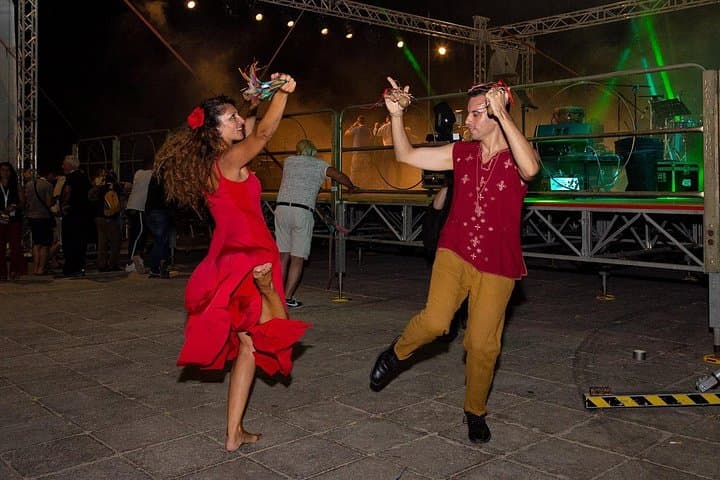
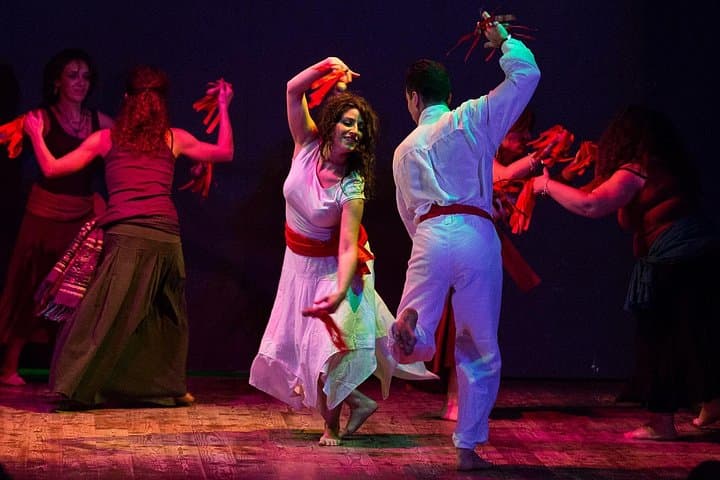
A late-afternoon sun slides through tall chestnuts in Capodimonte Forest as a circle of learners steps in time to tambourine rhythms. The teacher calls out a basic step, hands clap, and the ground seems to answer—footwork that moves like conversation, quick, grounded, and insistently human.
A late-afternoon sun slides through tall chestnuts in Capodimonte Forest as a circle of learners steps in time to tambourine rhythms. The teacher calls out a basic step, hands clap, and the ground seems to answer—footwork that moves like conversation, quick, grounded, and insistently human.
The tarantella and related southern forms—tammurriata, pizzica—have roots in folk rites, courtship rituals and regional storytelling across Campania and Apulia. In Naples the dances evolved alongside street music, religious festivals and the Bourbon-era villas that surround the park; learning the steps here connects movement to place as much as to sound.
Practical instruction focuses on rhythm, arm patterns, and partner connection rather than performance polish; expect call-and-response teaching, repetitive drills, and short choreography segments. Sessions from April to October often move outdoors into the Capodimonte greens, while cooler months shift to a covered studio. Classes suit most fitness levels but ask about back or heart conditions before booking. Bring flat, supportive shoes and a small water bottle—the work is deceptively aerobic.
Beyond the lesson, explore the Royal Park paths or the Museo di Capodimonte if time allows. Respect local customs—clap on cue, follow the leader’s timing—and you’ll leave with an embodied sense of southern Italian rhythm and a tangible link to Naples’ street and festival culture.
