THE ADVENTURE COLLECTIVE® · Independent discovery and booking for outdoor travel

Board a WWII amphibious Duck and cross quiet bays to Lake Tarawera, where guides explain the 1886 eruption, Māori history, and local geology. This two‑hour eco cruise blends comfortable boating with brief shoreline stops and interpretive commentary.
Board a WWII amphibious Duck and cross quiet bays to Lake Tarawera, where guides explain the 1886 eruption, Māori history, and local geology. This two‑hour eco cruise blends comfortable boating with brief shoreline stops and interpretive commentary.
You step onto a genuine WWII amphibious Duck and the lake breathes around the hull — a cool hiss at the edges, gulls inspecting your arrival, and the dark bulk of Mount Tarawera watching from the distance.
Verified experiences and guided adventures in the surrounding area.
Operated by Rotorua Duck Tours · Rotorua, Bay of Plenty
You step onto a genuine WWII amphibious Duck and the lake breathes around the hull — a cool hiss at the edges, gulls inspecting your arrival, and the dark bulk of Mount Tarawera watching from the distance.
This two‑hour land-and-water loop visits four Rotorua district lakes, including Okareka, Ōkāreka and the highlight, Lake Tarawera at the foot of Mt Tarawera. Guides weave human stories and geology together: the 1886 Tarawera eruption abruptly reshaped shorelines, drowned Māori settlements, and altered drainage patterns — echoes visible in cliffs of volcanic ash and steep rhyolitic scarps. The lakes sit within a geothermal landscape where hot springs and acidified runoffs once supported the famed Pink and White Terraces, now part of a contested history and archaeological interest.
Culturally, local guides share iwi histories and place names while pointing out how Maori relationship with water and fishing adapted after the eruption. The amphibious Duck lets you cross roads and slip into sheltered bays, bringing you close enough for photos at Landing Café and short shoreline stops.
Practicalities are straightforward: tours run in small groups, last about 120 minutes, and include live commentary and comfortable seating. Arrive 20 minutes early; expect wind on open water and sharp sun between cloud bursts. Bring a light waterproof layer, sun protection, and a camera with a secure strap. This is an accessible, low‑effort outing that delivers volcanic scenery, wildlife viewing, and concise history — ideal for families and travelers wanting an interpretive introduction to Rotorua’s lake country.
The tour runs approximately 120 minutes and includes both land and water segments with short shoreline stops.
Yes — the operator notes stroller access and family-friendly seating; infants must sit on an adult’s lap.
Departures are from the designated meeting point in Rotorua; arrive about 20 minutes early to check in.
Service animals are permitted; other pets should be checked with the operator in advance.
Rotorua Duck Tours operates guided outdoor trips and adventures with an emphasis on safety, stewardship, and memorable experiences.
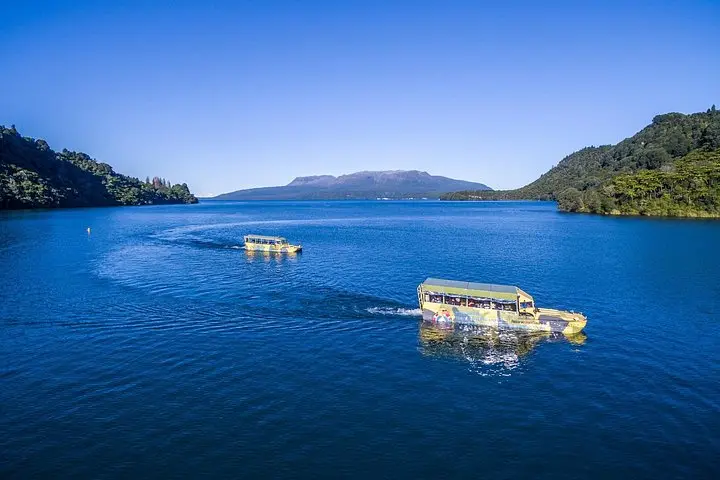
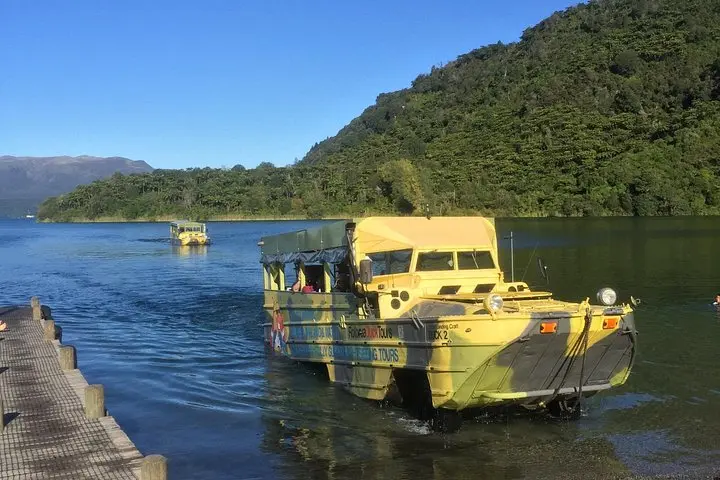
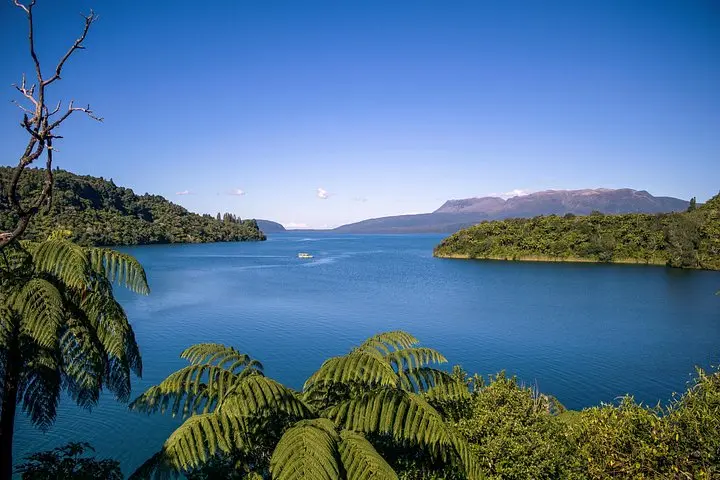
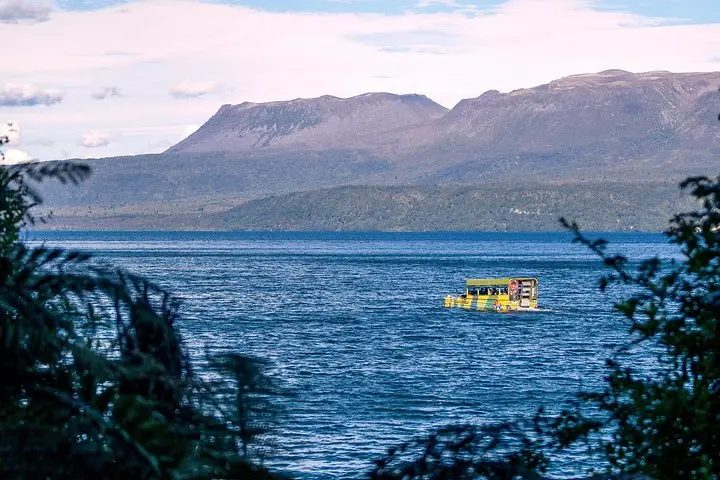
You step onto a genuine WWII amphibious Duck and the lake breathes around the hull — a cool hiss at the edges, gulls inspecting your arrival, and the dark bulk of Mount Tarawera watching from the distance.
You step onto a genuine WWII amphibious Duck and the lake breathes around the hull — a cool hiss at the edges, gulls inspecting your arrival, and the dark bulk of Mount Tarawera watching from the distance.
This two‑hour land-and-water loop visits four Rotorua district lakes, including Okareka, Ōkāreka and the highlight, Lake Tarawera at the foot of Mt Tarawera. Guides weave human stories and geology together: the 1886 Tarawera eruption abruptly reshaped shorelines, drowned Māori settlements, and altered drainage patterns — echoes visible in cliffs of volcanic ash and steep rhyolitic scarps. The lakes sit within a geothermal landscape where hot springs and acidified runoffs once supported the famed Pink and White Terraces, now part of a contested history and archaeological interest.
Culturally, local guides share iwi histories and place names while pointing out how Maori relationship with water and fishing adapted after the eruption. The amphibious Duck lets you cross roads and slip into sheltered bays, bringing you close enough for photos at Landing Café and short shoreline stops.
Practicalities are straightforward: tours run in small groups, last about 120 minutes, and include live commentary and comfortable seating. Arrive 20 minutes early; expect wind on open water and sharp sun between cloud bursts. Bring a light waterproof layer, sun protection, and a camera with a secure strap. This is an accessible, low‑effort outing that delivers volcanic scenery, wildlife viewing, and concise history — ideal for families and travelers wanting an interpretive introduction to Rotorua’s lake country.