THE ADVENTURE COLLECTIVE® · Independent discovery and booking for outdoor travel

Float the Tarcoles River from Puntarenas to see large American crocodiles, scarlet macaws and mangrove-lined estuaries. This private shore excursion pairs close wildlife viewing with local knowledge—confirm your cruise docking details and bring binoculars.
Float the Tarcoles River from Puntarenas to see large American crocodiles, scarlet macaws and mangrove-lined estuaries. This private shore excursion pairs close wildlife viewing with local knowledge—confirm your cruise docking details and bring binoculars.
You push off from a low dock near Puntarenas and the river takes over—dark water threading through mangroves that lean like hesitant neighbors. The Tarcoles River dares you to watch closely: a scaly back breaks the surface, a scarlet macaw shrieks from an overhead branch, and the estuary shifts between tidal glass and churning current.
Verified experiences and guided adventures in the surrounding area.
Operated by Top Private Tours · Puntarenas, Puntarenas
You push off from a low dock near Puntarenas and the river takes over—dark water threading through mangroves that lean like hesitant neighbors. The Tarcoles River dares you to watch closely: a scaly back breaks the surface, a scarlet macaw shrieks from an overhead branch, and the estuary shifts between tidal glass and churning current.
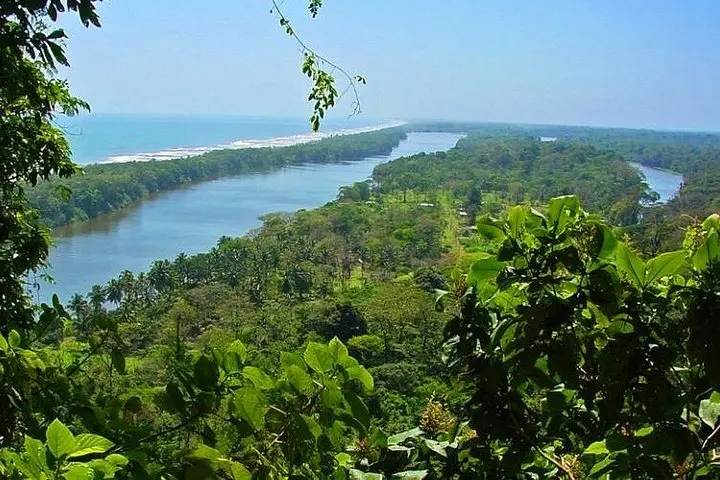
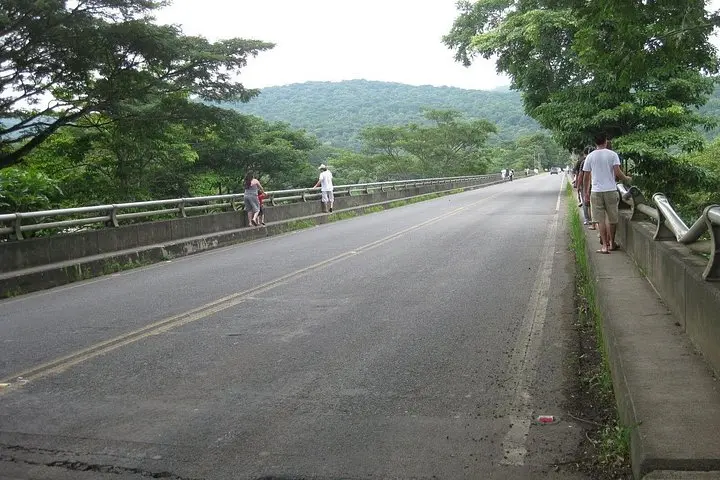
Geologically the river carves a flat Pacific lowland plain, its banks built from alluvial silt and mangrove roots that slow tides and trap nutrients. The area marks a boundary with Carara Biological Reserve, a place where dry-forest and humid rainforest species mix; that intersection explains the dense birdlife and why American crocodiles congregate in the channel. Local fishing villages and the Tarcoles Bridge have long been linked to the river—historically practical transport routes that also drew early naturalists.
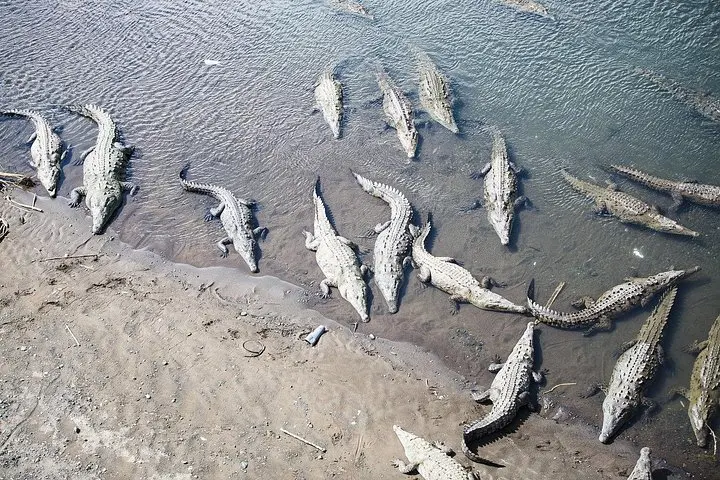
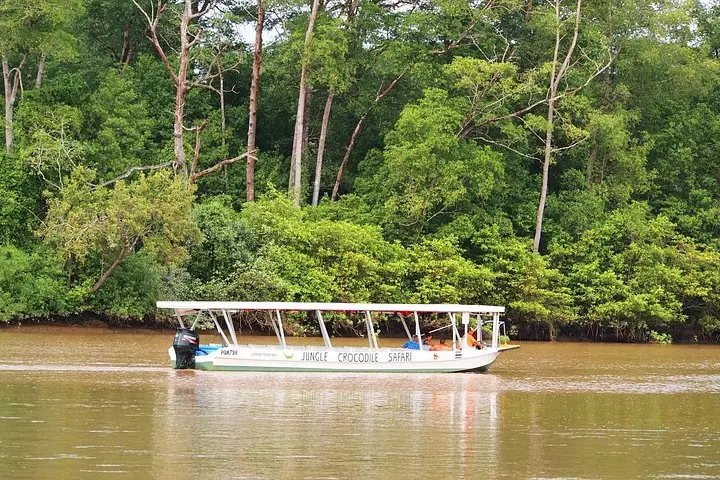
On a private boat tour you’ll hug the mangrove edge, scan sandbars and undercut banks, and learn identification from a guide who points out boat-wide feeding lanes and macaw nesting cliffs. Expect close but safe views of crocodiles—never step out of the boat—and ample photo opportunities for birds and reptiles.
Practical guidance: tours run about five hours and often include port pickup and drop-off for cruise passengers; confirm ship and docking times when you book. Bring binoculars, a hat, reef-safe sunscreen, and a lightweight rain layer in the rainy season. Plan for morning or late-afternoon departures for cooler light and more active wildlife; follow your guide’s safety briefings and avoid casting shadows over banks where crocodiles sun. The outing is accessible for most fitness levels and is ideal for wildlife-focused travelers wanting a concentrated taste of Costa Rica’s central Pacific ecology.
Guides approach at a safe distance to observe behavior and size; you’ll have clear views but must remain in the boat and follow safety instructions.
Yes—this private shore excursion includes port pickup and drop-off, but you must provide ship name and docking/departure times when booking.
Early morning and late afternoon tend to be most active for birds; lighting is also better for photography at these times.
The tour is rated easy and family-friendly, but boarding small boats requires basic mobility and balance—discuss needs with the operator ahead of time.
Top Private Tours operates guided outdoor trips and adventures with an emphasis on safety, stewardship, and memorable experiences.
You push off from a low dock near Puntarenas and the river takes over—dark water threading through mangroves that lean like hesitant neighbors. The Tarcoles River dares you to watch closely: a scaly back breaks the surface, a scarlet macaw shrieks from an overhead branch, and the estuary shifts between tidal glass and churning current.
You push off from a low dock near Puntarenas and the river takes over—dark water threading through mangroves that lean like hesitant neighbors. The Tarcoles River dares you to watch closely: a scaly back breaks the surface, a scarlet macaw shrieks from an overhead branch, and the estuary shifts between tidal glass and churning current.
Geologically the river carves a flat Pacific lowland plain, its banks built from alluvial silt and mangrove roots that slow tides and trap nutrients. The area marks a boundary with Carara Biological Reserve, a place where dry-forest and humid rainforest species mix; that intersection explains the dense birdlife and why American crocodiles congregate in the channel. Local fishing villages and the Tarcoles Bridge have long been linked to the river—historically practical transport routes that also drew early naturalists.
On a private boat tour you’ll hug the mangrove edge, scan sandbars and undercut banks, and learn identification from a guide who points out boat-wide feeding lanes and macaw nesting cliffs. Expect close but safe views of crocodiles—never step out of the boat—and ample photo opportunities for birds and reptiles.
Practical guidance: tours run about five hours and often include port pickup and drop-off for cruise passengers; confirm ship and docking times when you book. Bring binoculars, a hat, reef-safe sunscreen, and a lightweight rain layer in the rainy season. Plan for morning or late-afternoon departures for cooler light and more active wildlife; follow your guide’s safety briefings and avoid casting shadows over banks where crocodiles sun. The outing is accessible for most fitness levels and is ideal for wildlife-focused travelers wanting a concentrated taste of Costa Rica’s central Pacific ecology.