THE ADVENTURE COLLECTIVE® · Independent discovery and booking for outdoor travel

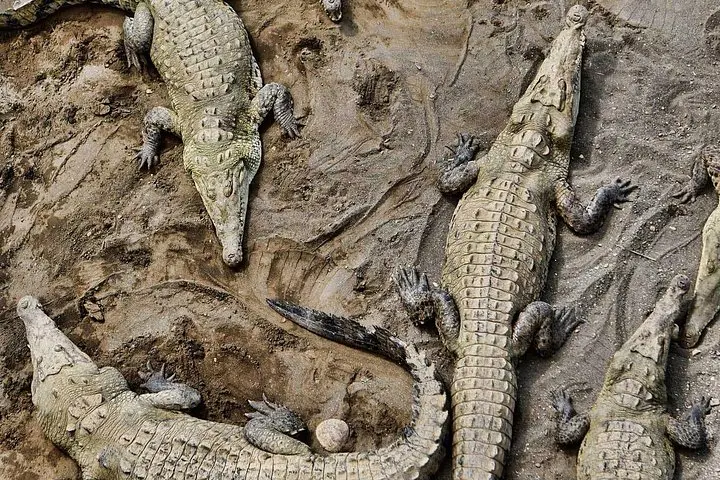
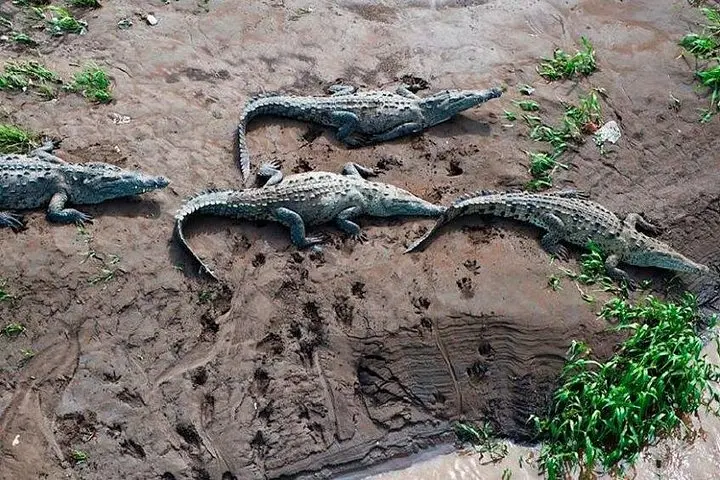
Glide the Tarcoles River by boat and watch American crocodiles sun and move along muddy banks while guides explain the estuary’s ecology. This two-hour tour pairs close wildlife viewing with birdwatching and local habitat insights.
Glide the Tarcoles River by boat and watch American crocodiles sun and move along muddy banks while guides explain the estuary’s ecology. This two-hour tour pairs close wildlife viewing with birdwatching and local habitat insights.
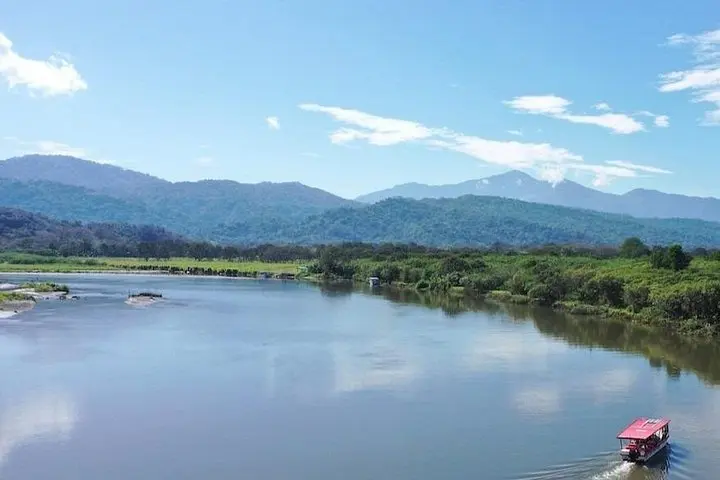
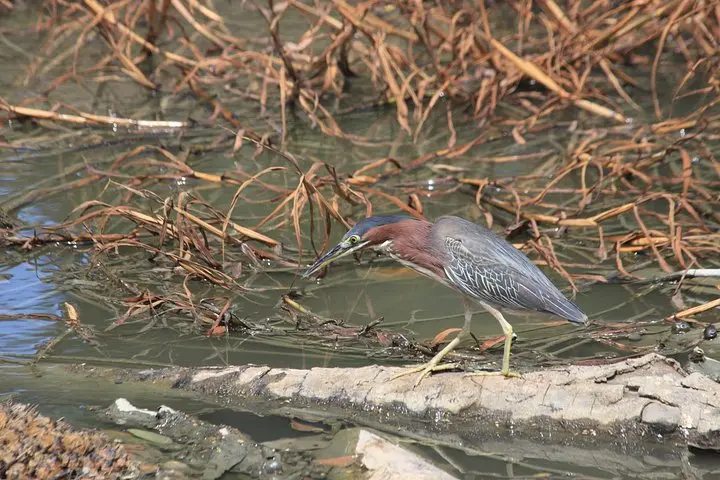
The boat eases into the brown-green throat of the Tarcoles, mangrove roots brushing the hull as sunlight cuts through a humid morning. Crocodiles — low-backed and patient — slip like dark logs among the channel edges; kingfishers and herons dart and call above, while the river seems to dare you to come closer.
Verified experiences and guided adventures in the surrounding area.
Operated by Travel Costa Rica Tours · Tarcoles, Puntarenas
The boat eases into the brown-green throat of the Tarcoles, mangrove roots brushing the hull as sunlight cuts through a humid morning. Crocodiles — low-backed and patient — slip like dark logs among the channel edges; kingfishers and herons dart and call above, while the river seems to dare you to come closer.
This stretch of river, opening into the Gulf of Nicoya, sits at the ecological edge between Costa Rica’s dry and wet zones. Geologically it’s a sediment-rich estuary that feeds mangrove flats and supports a high density of American crocodiles — the species that gave this place its reputation. Local fishers and nearby communities have long used the river, and nearby Carara National Park preserves remnants of the pre-Columbian landscape and a corridor for scarlet macaws and other tropical species.
On a two-hour guided boat tour you’ll move slowly along channels, listening to a bilingual guide explain crocodile behavior, nest sites, and why the estuary concentrates wildlife. Expect stops for bird ID and narration about mangrove ecology, plus safe viewing distances; the crew provides life vests and binoculars are commonly recommended. Cameras with zoom lenses work best — no leaning over the rail.
Practicalities: morning trips often mean calmer water and more bird activity; bring sun protection, a light rain layer in the wet season, and a refillable bottle. Respect wildlife: stay seated when guides ask, don’t feed animals, and keep noise low. The result is an intimate, educational encounter with a powerful river ecosystem.
Yes—boats are stable, life vests are provided, and tours are designed for general audiences, but small children should remain seated and supervised.
Crocodiles have high density here and sightings are common, but wildlife is never guaranteed; guides maximize viewing by choosing active areas.
No—walking on private or protected banks is discouraged and feeding wildlife is prohibited for safety and conservation reasons.
Morning departures (early to mid-morning) usually offer calmer water, cooler temperatures, and more bird and crocodile activity.
Travel Costa Rica Tours operates guided outdoor trips and adventures with an emphasis on safety, stewardship, and memorable experiences.
The boat eases into the brown-green throat of the Tarcoles, mangrove roots brushing the hull as sunlight cuts through a humid morning. Crocodiles — low-backed and patient — slip like dark logs among the channel edges; kingfishers and herons dart and call above, while the river seems to dare you to come closer.
The boat eases into the brown-green throat of the Tarcoles, mangrove roots brushing the hull as sunlight cuts through a humid morning. Crocodiles — low-backed and patient — slip like dark logs among the channel edges; kingfishers and herons dart and call above, while the river seems to dare you to come closer.
This stretch of river, opening into the Gulf of Nicoya, sits at the ecological edge between Costa Rica’s dry and wet zones. Geologically it’s a sediment-rich estuary that feeds mangrove flats and supports a high density of American crocodiles — the species that gave this place its reputation. Local fishers and nearby communities have long used the river, and nearby Carara National Park preserves remnants of the pre-Columbian landscape and a corridor for scarlet macaws and other tropical species.
On a two-hour guided boat tour you’ll move slowly along channels, listening to a bilingual guide explain crocodile behavior, nest sites, and why the estuary concentrates wildlife. Expect stops for bird ID and narration about mangrove ecology, plus safe viewing distances; the crew provides life vests and binoculars are commonly recommended. Cameras with zoom lenses work best — no leaning over the rail.
Practicalities: morning trips often mean calmer water and more bird activity; bring sun protection, a light rain layer in the wet season, and a refillable bottle. Respect wildlife: stay seated when guides ask, don’t feed animals, and keep noise low. The result is an intimate, educational encounter with a powerful river ecosystem.