THE ADVENTURE COLLECTIVE® · Independent discovery and booking for outdoor travel

Glide the Tarcoles River and watch American crocodiles sun themselves a few meters from your boat while scarlet macaws, monkeys, and herons thread the mangrove canopy. This full-day wildlife cruise from San José pairs clear interpretation with close, but safe, viewing.
Glide the Tarcoles River and watch American crocodiles sun themselves a few meters from your boat while scarlet macaws, monkeys, and herons thread the mangrove canopy. This full-day wildlife cruise from San José pairs clear interpretation with close, but safe, viewing.
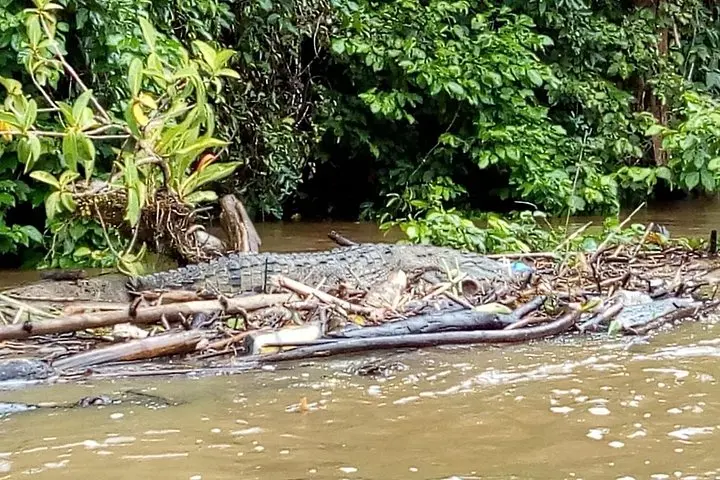
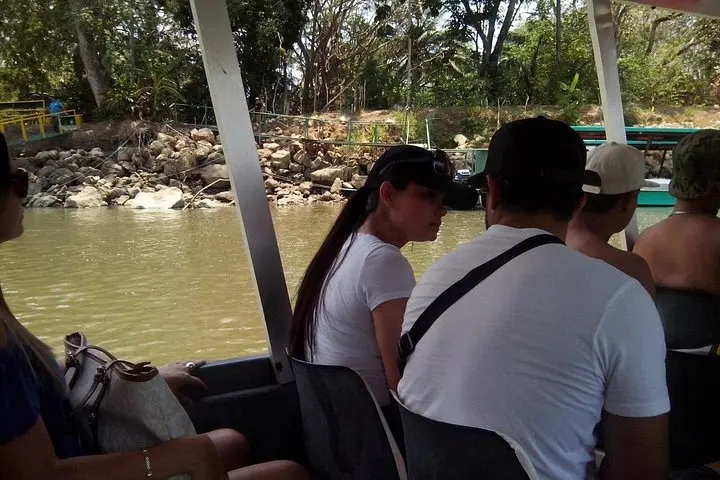
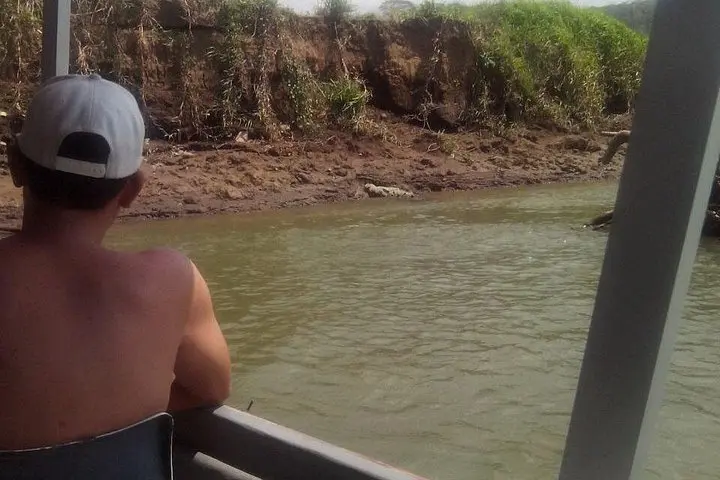
The boat slips away from a shaded mangrove throat and the river takes the lead, pushing you under low-hanging branches while banks of mud and sunlit sand reveal crocodile silhouettes. Water birds pivot and call — kingfishers dart, herons stalk the shallows — and the guide’s voice cuts the quiet with precise IDs and measured warnings.
Verified experiences and guided adventures in the surrounding area.
Operated by Costa Rica Itinerary · Tárcoles, Puntarenas
The boat slips away from a shaded mangrove throat and the river takes the lead, pushing you under low-hanging branches while banks of mud and sunlit sand reveal crocodile silhouettes. Water birds pivot and call — kingfishers dart, herons stalk the shallows — and the guide’s voice cuts the quiet with precise IDs and measured warnings.
The Tarcoles River drains the southern slopes of Costa Rica’s central volcanic range and pours into the Gulf of Nicoya; the estuary’s mix of salt and fresh water creates a rich feeding ground that has supported local fishing villages for generations. Geologically the river runs through sedimentary and volcanic deposits that feed the mangrove root systems, and Carara’s nearby foothills are a remnant transition zone between dry and wet forest types, which explains the unusually high biodiversity here.
Culturally, Tárcoles has been a waypoint for coastal trade and small-scale fisheries; today river tours balance visitor demand with local livelihoods. Expect bilingual interpretation and a boat with a glass-bottom section that reveals submerged snags and the occasional passing fish.
Practical guidance: this is an easy, full-day outing with hotel pickup from San José. Bring binoculars, sunscreen, a light rain shell, and a camera with a zoom — crocodiles often loaf a few meters from the bank, sometimes motionless like carved logs until they slide away. Respect the guide’s safety briefing: do not dangle hands over the gunwale, and avoid sudden noises near sunning animals. Timing matters — morning or late afternoon light brings the best animal activity and photographs.
Boats typically approach within a few meters of sunning crocodiles while maintaining a safe distance; guides know behavior cues and will not risk unsafe proximity.
Yes — children are allowed but must be accompanied by an adult and follow safety instructions; operators often set age or behavior limits for safety.
Tours provide bilingual guides (Spanish and English) but check your booking to confirm language availability.
Many operators can arrange pickup from Jaco or nearby beach towns; confirm pickup details when you book.
Costa Rica Itinerary operates guided outdoor trips and adventures with an emphasis on safety, stewardship, and memorable experiences.
The boat slips away from a shaded mangrove throat and the river takes the lead, pushing you under low-hanging branches while banks of mud and sunlit sand reveal crocodile silhouettes. Water birds pivot and call — kingfishers dart, herons stalk the shallows — and the guide’s voice cuts the quiet with precise IDs and measured warnings.
The boat slips away from a shaded mangrove throat and the river takes the lead, pushing you under low-hanging branches while banks of mud and sunlit sand reveal crocodile silhouettes. Water birds pivot and call — kingfishers dart, herons stalk the shallows — and the guide’s voice cuts the quiet with precise IDs and measured warnings.
The Tarcoles River drains the southern slopes of Costa Rica’s central volcanic range and pours into the Gulf of Nicoya; the estuary’s mix of salt and fresh water creates a rich feeding ground that has supported local fishing villages for generations. Geologically the river runs through sedimentary and volcanic deposits that feed the mangrove root systems, and Carara’s nearby foothills are a remnant transition zone between dry and wet forest types, which explains the unusually high biodiversity here.
Culturally, Tárcoles has been a waypoint for coastal trade and small-scale fisheries; today river tours balance visitor demand with local livelihoods. Expect bilingual interpretation and a boat with a glass-bottom section that reveals submerged snags and the occasional passing fish.
Practical guidance: this is an easy, full-day outing with hotel pickup from San José. Bring binoculars, sunscreen, a light rain shell, and a camera with a zoom — crocodiles often loaf a few meters from the bank, sometimes motionless like carved logs until they slide away. Respect the guide’s safety briefing: do not dangle hands over the gunwale, and avoid sudden noises near sunning animals. Timing matters — morning or late afternoon light brings the best animal activity and photographs.