THE ADVENTURE COLLECTIVE® · Independent discovery and booking for outdoor travel

Spend a day exploring Taroudant’s fortified medina and Tiout’s palm oasis—watch goats in argan trees, tour a high kasbah, and enjoy a traditional couscous or tagine lunch. This guided day trip from Agadir or Taghazout pairs cultural history with easy outdoor strolls and local flavor.
Spend a day exploring Taroudant’s fortified medina and Tiout’s palm oasis—watch goats in argan trees, tour a high kasbah, and enjoy a traditional couscous or tagine lunch. This guided day trip from Agadir or Taghazout pairs cultural history with easy outdoor strolls and local flavor.
Dawn light on the Souss plain hits the low, ochre walls of Taroudant and the argan trees that slope toward the sea, and the day begins with a single, clear promise: raw, local Morocco beyond the beach resorts.
Verified experiences and guided adventures in the surrounding area.
Operated by EL FAKIR TOURS · Taroudant, Souss-Massa
Dawn light on the Souss plain hits the low, ochre walls of Taroudant and the argan trees that slope toward the sea, and the day begins with a single, clear promise: raw, local Morocco beyond the beach resorts.
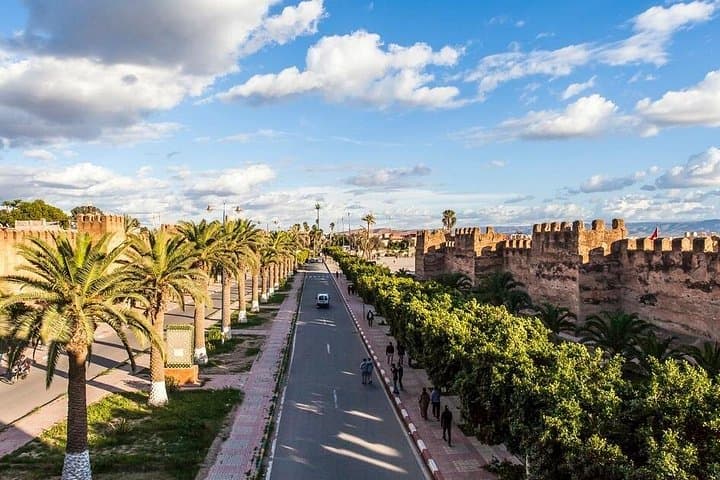
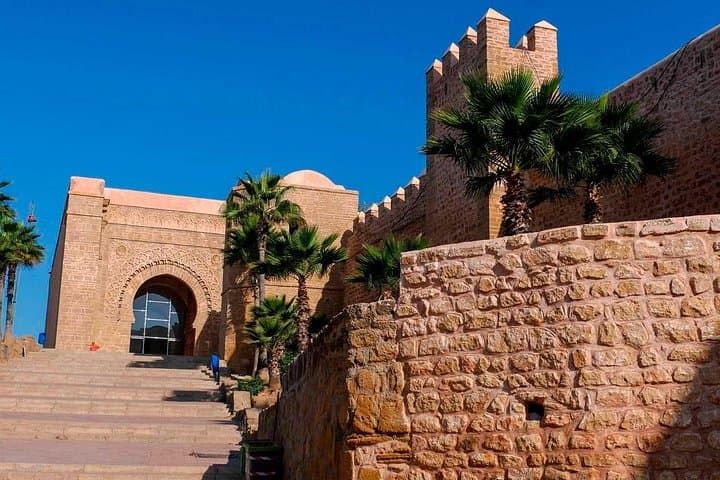
Visitors start by watching goats pick their way up argan trunks—an odd, amusing prelude that speaks to the region’s botanical and cultural particularities. Taroudant’s ramparts, roughly 7.5 km of crenellated clay brick and six main gates, frame a compact medina where souk lanes open onto artisan workshops and the quiet geometry of old riads. The city’s history as a 16th–19th century regional capital gives context to the tiled facades and ochre ramparts, while the surrounding plain is shaped by alluvial deposits from the Anti-Atlas and regular, gentle winds from the Atlantic.
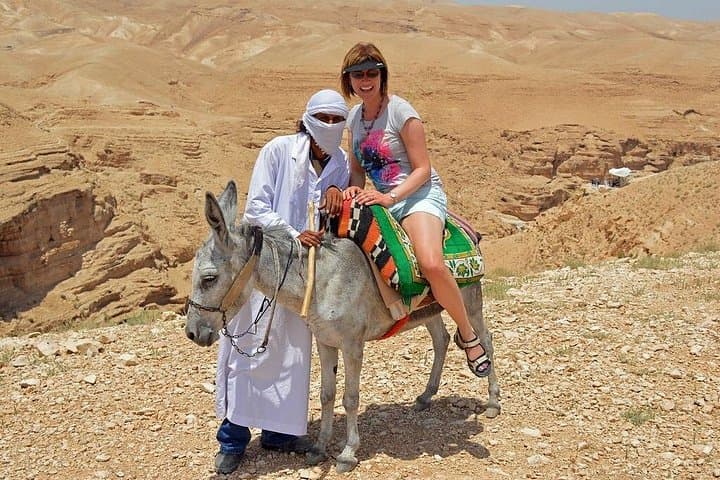
An afternoon in Tiout shifts the rhythm: palm groves, a kasbah perched above irrigated plots, and an easy donkey ride among water channels that still follow traditional irrigation patterns. The kasbah’s film history—scenes for mid-century productions—adds a cinematic layer to the landscape.
Practical guidance: expect a full nine-hour day with hotel pickup in Agadir or Taghazout, mostly easy walking on cobbled streets and packed earth. Bring sun protection and at least 1.5–2 liters of water, wear sturdy walking shoes for uneven souk alleys and oasis paths, and carry some cash for markets and tips. The pace is relaxed but full; timing your visit for morning cool and late afternoon light makes the most of both culture and landscape.
Yes—operators note the tour is family-friendly; infants can use strollers and there are short, easy walks and a donkey ride option for kids.
Yes—traditional Moroccan lunches like couscous and tagine can be prepared vegetarian on request; notify the operator when booking.
Carry cash for market purchases, tips, and small services; larger establishments in Agadir accept cards but rural vendors usually do not.
Goats in argan trees are common in this region but sightings depend on location and season; the itinerary includes a stop known for these sightings.
EL FAKIR TOURS operates guided outdoor trips and adventures with an emphasis on safety, stewardship, and memorable experiences.

Dawn light on the Souss plain hits the low, ochre walls of Taroudant and the argan trees that slope toward the sea, and the day begins with a single, clear promise: raw, local Morocco beyond the beach resorts.
Dawn light on the Souss plain hits the low, ochre walls of Taroudant and the argan trees that slope toward the sea, and the day begins with a single, clear promise: raw, local Morocco beyond the beach resorts.
Visitors start by watching goats pick their way up argan trunks—an odd, amusing prelude that speaks to the region’s botanical and cultural particularities. Taroudant’s ramparts, roughly 7.5 km of crenellated clay brick and six main gates, frame a compact medina where souk lanes open onto artisan workshops and the quiet geometry of old riads. The city’s history as a 16th–19th century regional capital gives context to the tiled facades and ochre ramparts, while the surrounding plain is shaped by alluvial deposits from the Anti-Atlas and regular, gentle winds from the Atlantic.
An afternoon in Tiout shifts the rhythm: palm groves, a kasbah perched above irrigated plots, and an easy donkey ride among water channels that still follow traditional irrigation patterns. The kasbah’s film history—scenes for mid-century productions—adds a cinematic layer to the landscape.
Practical guidance: expect a full nine-hour day with hotel pickup in Agadir or Taghazout, mostly easy walking on cobbled streets and packed earth. Bring sun protection and at least 1.5–2 liters of water, wear sturdy walking shoes for uneven souk alleys and oasis paths, and carry some cash for markets and tips. The pace is relaxed but full; timing your visit for morning cool and late afternoon light makes the most of both culture and landscape.