THE ADVENTURE COLLECTIVE® · Independent discovery and booking for outdoor travel

Drive inland from Agadir to the fortified medina of Taroudant and the lush palm-grove oasis of Tiout. This full-day trip blends Saadian-era kasbah views, traditional Berber agriculture, and a shared Moroccan lunch.
Drive inland from Agadir to the fortified medina of Taroudant and the lush palm-grove oasis of Tiout. This full-day trip blends Saadian-era kasbah views, traditional Berber agriculture, and a shared Moroccan lunch.
You climb out of Agadir’s coastal heat into a changing landscape: argan-dotted hills give way to red-earth ramparts, then the palm grove of Tiout appears like a sudden green room under a wide sky. Wind moves through date palms and the kasbah above Tiout watches over irrigated plots, while the life of the oasis—farmers, donkeys, and the occasional goat—keeps time with the drip of ancient irrigation.
Verified experiences and guided adventures in the surrounding area.
Operated by Union Tours · Taroudant, Souss-Massa
You climb out of Agadir’s coastal heat into a changing landscape: argan-dotted hills give way to red-earth ramparts, then the palm grove of Tiout appears like a sudden green room under a wide sky. Wind moves through date palms and the kasbah above Tiout watches over irrigated plots, while the life of the oasis—farmers, donkeys, and the occasional goat—keeps time with the drip of ancient irrigation.
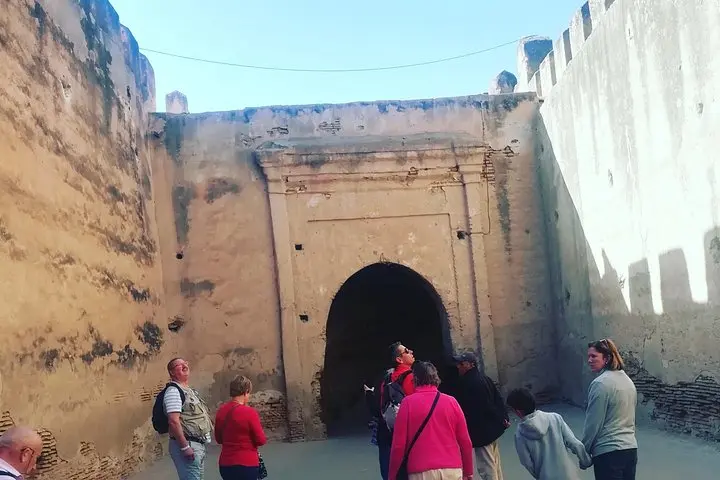
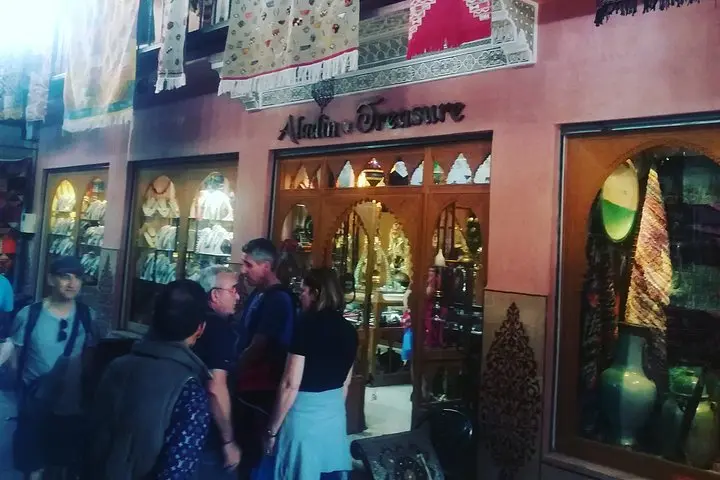
Taroudant’s medina walls date back centuries and grew as a trading post on the trans-Saharan routes; its Saadian-era kasbah fragments and broad market streets still reflect that mercantile past. Geologically this stretch is the foothills of the Anti-Atlas: low, weathered ranges and alluvial terraces feed the palm groves below. Culturally you’ll meet Berber agricultural practices—argan trees pressed for oil, hand-tended olive terraces, and local kitchens serving couscous and tajine.
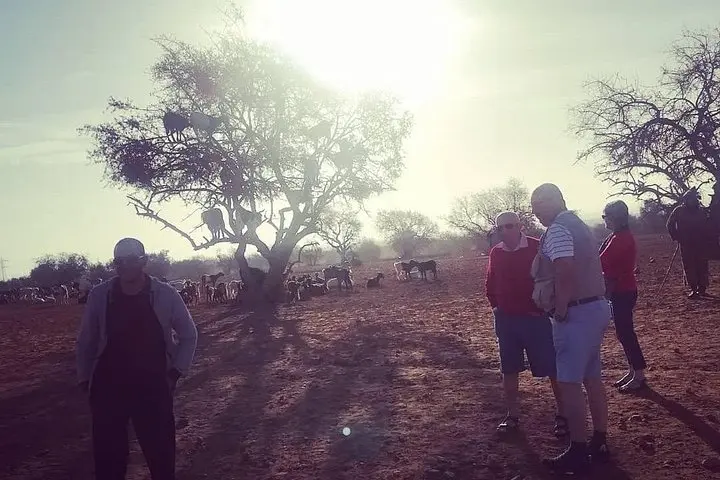
Practically, expect a full 6‑hour outing with most operators: roughly 1.5–2 hours driving each way depending on stops. Walks through the Tiout palms are flat but can be uneven; rides on muleback are optional. Bring sun protection, a refillable water bottle, and comfortable walking shoes. Plan visits in the morning or late afternoon to avoid peak sun; local guides usually include a Berber-style breakfast and a shared lunch (couscous or tajine). Cash is useful in small villages; a modest tip and polite bargaining at markets is customary. The route is accessible to moderately fit travelers and rewards patience with wide views, close-up traditional agriculture, and a chance to see argan goats climbing low branches while kestrels patrol the skies.
Expect roughly 1.5–2 hours each way depending on traffic and stops; the full tour runs about 6 hours.
The palm-grove walk is generally flat but can be uneven; it’s suitable for children and active seniors if mobility is reasonable—mule rides are sometimes available for those who prefer not to walk.
Guided tours typically include a Berber breakfast and a shared lunch (couscous or tajine), with tea and seasonal fruit—inform the operator of dietary restrictions in advance.
Use Moroccan dirhams (MAD); small vendors and services often accept cash only, so bring small bills and change for purchases and tips.
Union Tours operates guided outdoor trips and adventures with an emphasis on safety, stewardship, and memorable experiences.
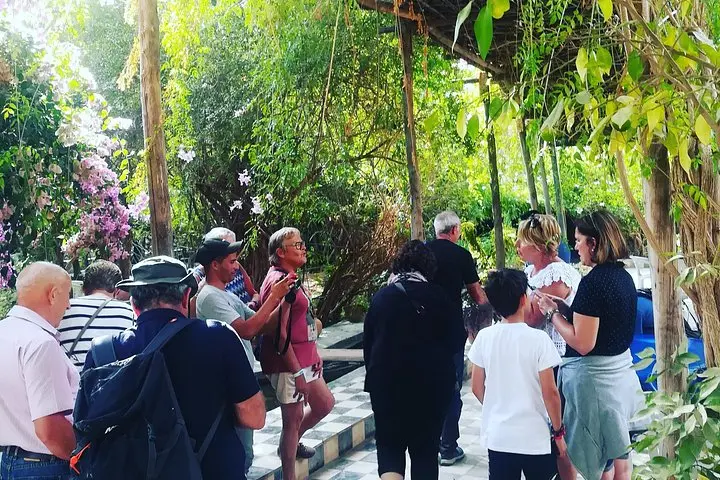
You climb out of Agadir’s coastal heat into a changing landscape: argan-dotted hills give way to red-earth ramparts, then the palm grove of Tiout appears like a sudden green room under a wide sky. Wind moves through date palms and the kasbah above Tiout watches over irrigated plots, while the life of the oasis—farmers, donkeys, and the occasional goat—keeps time with the drip of ancient irrigation.
You climb out of Agadir’s coastal heat into a changing landscape: argan-dotted hills give way to red-earth ramparts, then the palm grove of Tiout appears like a sudden green room under a wide sky. Wind moves through date palms and the kasbah above Tiout watches over irrigated plots, while the life of the oasis—farmers, donkeys, and the occasional goat—keeps time with the drip of ancient irrigation.
Taroudant’s medina walls date back centuries and grew as a trading post on the trans-Saharan routes; its Saadian-era kasbah fragments and broad market streets still reflect that mercantile past. Geologically this stretch is the foothills of the Anti-Atlas: low, weathered ranges and alluvial terraces feed the palm groves below. Culturally you’ll meet Berber agricultural practices—argan trees pressed for oil, hand-tended olive terraces, and local kitchens serving couscous and tajine.
Practically, expect a full 6‑hour outing with most operators: roughly 1.5–2 hours driving each way depending on stops. Walks through the Tiout palms are flat but can be uneven; rides on muleback are optional. Bring sun protection, a refillable water bottle, and comfortable walking shoes. Plan visits in the morning or late afternoon to avoid peak sun; local guides usually include a Berber-style breakfast and a shared lunch (couscous or tajine). Cash is useful in small villages; a modest tip and polite bargaining at markets is customary. The route is accessible to moderately fit travelers and rewards patience with wide views, close-up traditional agriculture, and a chance to see argan goats climbing low branches while kestrels patrol the skies.