THE ADVENTURE COLLECTIVE® · Independent discovery and booking for outdoor travel

Explore Taroudant’s tawny ramparts and Tiout’s vast palm grove on a private day trip from Agadir. This itinerary combines souk visits, kasbah viewpoints and an intimate local lunch in a Berber village.
Explore Taroudant’s tawny ramparts and Tiout’s vast palm grove on a private day trip from Agadir. This itinerary combines souk visits, kasbah viewpoints and an intimate local lunch in a Berber village.
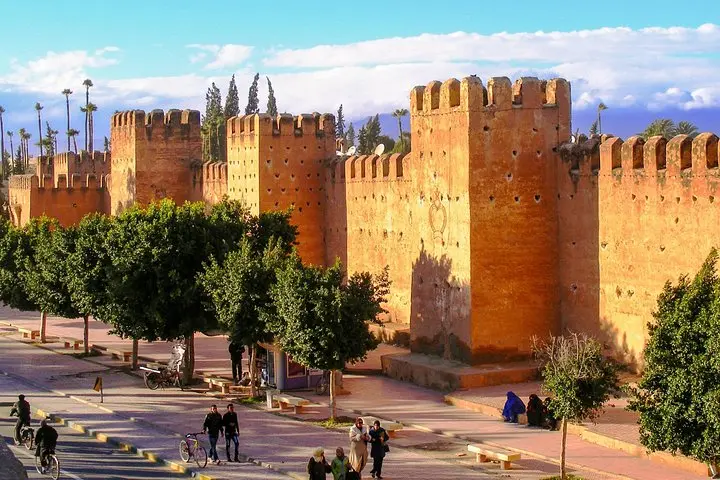
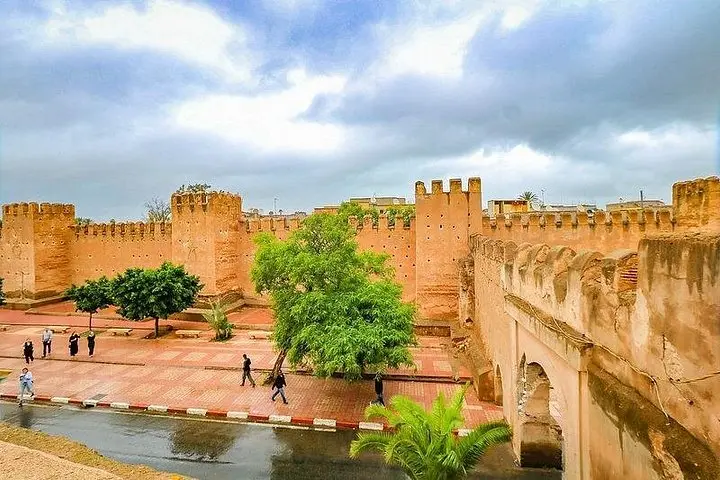
A whitewashed minaret slices the morning sky as the road leaves Agadir and the land opens into tawny ramparts and ochre houses. By midmorning the city of Taroudant appears like a compact fortress — its eight kilometers of clay walls holding the steady bustle of souks and cafes. The air carries cumin and citrus; palms in the valley below rustle and seem to lean toward travelers as if urging them onward.
Verified experiences and guided adventures in the surrounding area.
Operated by Adi Tours · Taroudant, Souss-Massa
A whitewashed minaret slices the morning sky as the road leaves Agadir and the land opens into tawny ramparts and ochre houses. By midmorning the city of Taroudant appears like a compact fortress — its eight kilometers of clay walls holding the steady bustle of souks and cafes. The air carries cumin and citrus; palms in the valley below rustle and seem to lean toward travelers as if urging them onward.
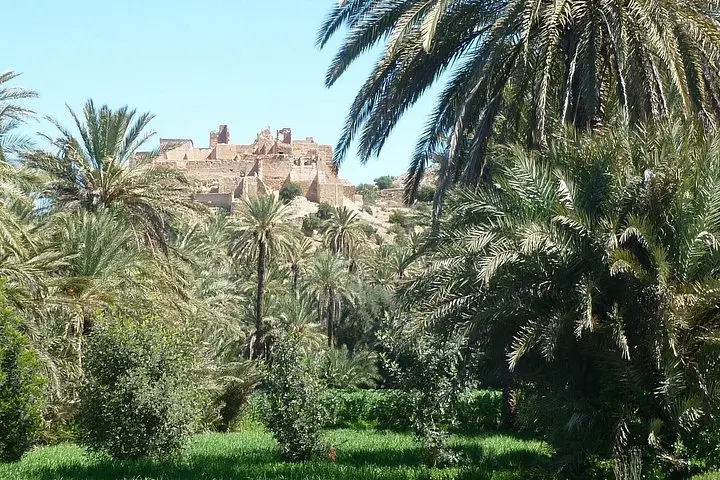
Taroudant was a Saadian stronghold and for centuries a crossroads between the Atlantic plain and the Anti-Atlas foothills. The ramparts you walk today are practical defenses cut from local red earth; the souk lanes still follow the market patterns of medieval Moroccan towns. A short drive southeast brings you to Tiout, a Berber village beneath the Anti-Atlas where an irrigated palm grove shelters more than twenty thousand date palms — a working oasis shaped by centuries of human engineering and mountain runoff.
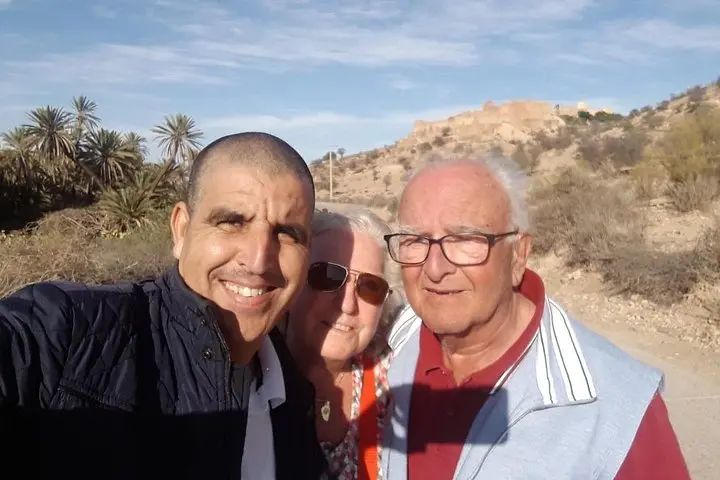
Expect a mix of cultural stops and light walking: visits to artisan stalls, a panoramic pause atop the Kasbah of Tiout (a film location for mid-century French cinema), and a guided stroll or donkey ride through the palm plantation. The terrain is mostly flat in the oasis with short, rocky paths around the kasbah. Water needs are real in summer; shade is limited between villages.
Practical tips: start early to avoid midday heat, wear breathable footwear for dusty lanes, carry cash for market purchases, and allow time to linger over a shared lunch in Tiout to taste locally dried dates and mint tea.
The trip from Agadir to Taroudant is about 80 km and roughly 1.5–2 hours by car, depending on traffic and stops.
No — the walk through Tiout’s palm grove is short and mostly flat; there are some uneven paths but no technical sections.
The itinerary includes a local lunch in Tiout, typically prepared by a village family; inform the operator of dietary restrictions when booking.
Yes — the tour is family-friendly and described as suitable for all fitness levels; options include walking or riding donkeys for those who prefer less walking.
Adi Tours operates guided outdoor trips and adventures with an emphasis on safety, stewardship, and memorable experiences.
A whitewashed minaret slices the morning sky as the road leaves Agadir and the land opens into tawny ramparts and ochre houses. By midmorning the city of Taroudant appears like a compact fortress — its eight kilometers of clay walls holding the steady bustle of souks and cafes. The air carries cumin and citrus; palms in the valley below rustle and seem to lean toward travelers as if urging them onward.
A whitewashed minaret slices the morning sky as the road leaves Agadir and the land opens into tawny ramparts and ochre houses. By midmorning the city of Taroudant appears like a compact fortress — its eight kilometers of clay walls holding the steady bustle of souks and cafes. The air carries cumin and citrus; palms in the valley below rustle and seem to lean toward travelers as if urging them onward.
Taroudant was a Saadian stronghold and for centuries a crossroads between the Atlantic plain and the Anti-Atlas foothills. The ramparts you walk today are practical defenses cut from local red earth; the souk lanes still follow the market patterns of medieval Moroccan towns. A short drive southeast brings you to Tiout, a Berber village beneath the Anti-Atlas where an irrigated palm grove shelters more than twenty thousand date palms — a working oasis shaped by centuries of human engineering and mountain runoff.
Expect a mix of cultural stops and light walking: visits to artisan stalls, a panoramic pause atop the Kasbah of Tiout (a film location for mid-century French cinema), and a guided stroll or donkey ride through the palm plantation. The terrain is mostly flat in the oasis with short, rocky paths around the kasbah. Water needs are real in summer; shade is limited between villages.
Practical tips: start early to avoid midday heat, wear breathable footwear for dusty lanes, carry cash for market purchases, and allow time to linger over a shared lunch in Tiout to taste locally dried dates and mint tea.