THE ADVENTURE COLLECTIVE® · Independent discovery and booking for outdoor travel

Step off your ship and into a 3,000‑year story: a guided day trip from Civitavecchia to Tarquinia’s UNESCO necropolis and the Palazzo Vitelleschi museum. See painted Etruscan tombs, walk a compact medieval center, and finish with a regional lunch.
Step off your ship and into a 3,000‑year story: a guided day trip from Civitavecchia to Tarquinia’s UNESCO necropolis and the Palazzo Vitelleschi museum. See painted Etruscan tombs, walk a compact medieval center, and finish with a regional lunch.
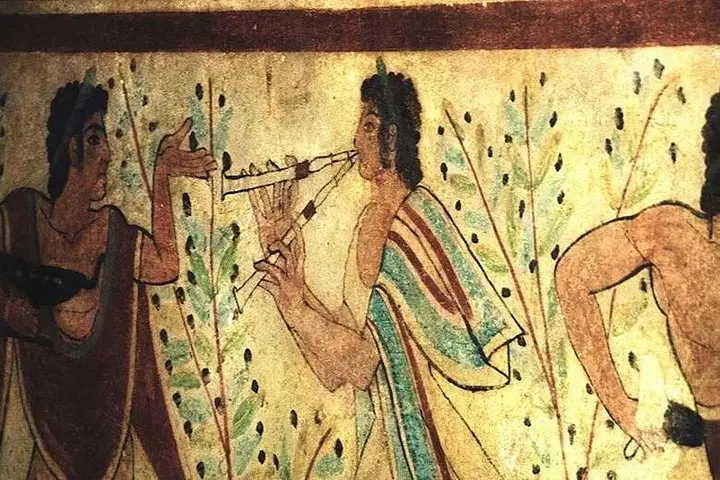
A salt breeze from the Tyrrhenian drifts off the port as the minivan pulls away from Civitavecchia, and within 20 minutes the landscape changes from harbor cranes to low limestone hills where the dead of an ancient people still speak with pigment. Walking into the Tarquinia necropolis, painted walls confront you with scenes of daily life—hunters, dancers and fishermen—images that outran the Romans by centuries.
Verified experiences and guided adventures in the surrounding area.
Operated by MyloveItaly Travel&Experiences · Tarquinia, Lazio
A salt breeze from the Tyrrhenian drifts off the port as the minivan pulls away from Civitavecchia, and within 20 minutes the landscape changes from harbor cranes to low limestone hills where the dead of an ancient people still speak with pigment. Walking into the Tarquinia necropolis, painted walls confront you with scenes of daily life—hunters, dancers and fishermen—images that outran the Romans by centuries.
This is Etruscan country: a culture of skilled metalworkers and seafaring traders who left funerary chambers carved into the marl, their painted frescoes preserved by cool, dry burial vaults. The necropolis of Monterozzi is UNESCO-listed for those tomb paintings that provide one of the earliest narratives in Italian art. Geology matters here—the soft tuff allowed tomb-carving but demands careful conservation, which is why some chambers are shown through replicas or limited-entry visits.
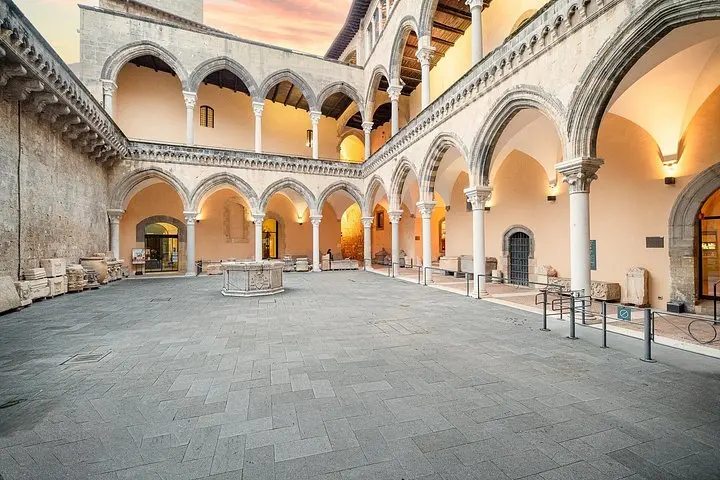
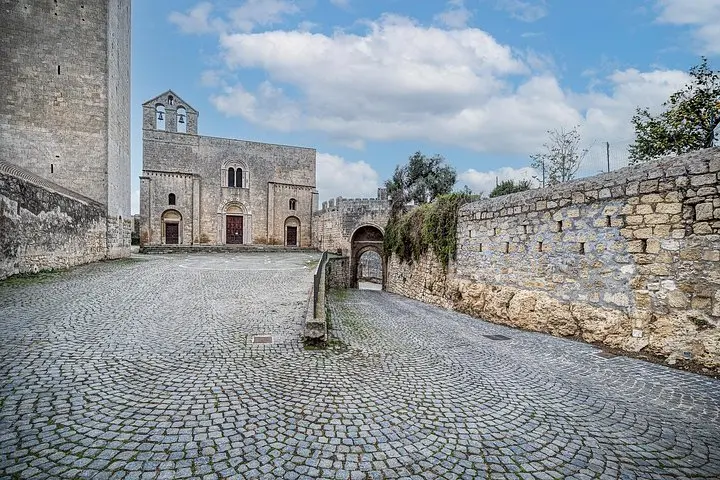
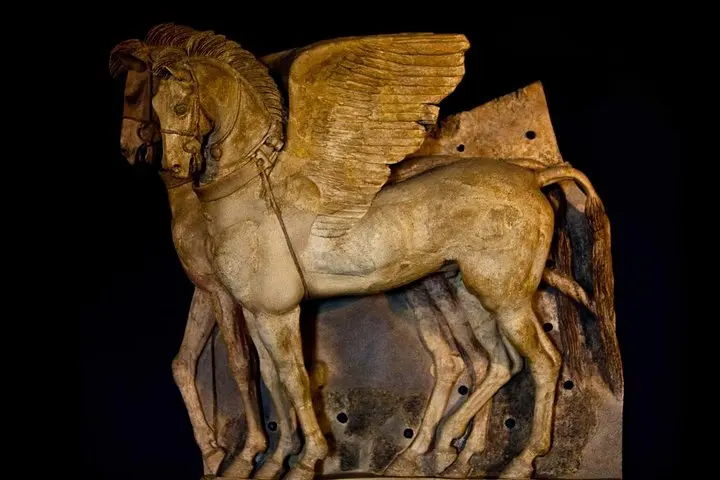
After the tombs, a short stroll through Tarquinia’s medieval center leads to Palazzo Vitelleschi, where pottery, bronzes and funerary goods contextualize what you’ve just seen. A local lunch in a traditional trattoria completes the loop—Lazio flavors that are straightforward, seasonal and honest.
Practical note: expect uneven cobbles, narrow stairs and tight tomb entrances; photography inside many tombs is restricted. The tour is paced for cruisers—round-trip transfer from the port, about 6–7 hours total, with guided entries and museum time. Bring water, sun protection, and comfortable shoes; plan for limited shade and occasional breezes.
Yes; the tour includes admission to the UNESCO site and the National Etruscan Museum at Palazzo Vitelleschi as described.
Photography policies vary by tomb—many prohibit flash and some ban photography altogether to protect pigments, so follow the guide’s instructions on site.
The tour listing notes stroller access for infants, but expect stairs and uneven surfaces in parts of the route; lightweight, carryable strollers work best.
An English‑speaking driver/guide is provided for this shared tour; confirm any special language needs when booking.
MyloveItaly Travel&Experiences operates guided outdoor trips and adventures with an emphasis on safety, stewardship, and memorable experiences.
A salt breeze from the Tyrrhenian drifts off the port as the minivan pulls away from Civitavecchia, and within 20 minutes the landscape changes from harbor cranes to low limestone hills where the dead of an ancient people still speak with pigment. Walking into the Tarquinia necropolis, painted walls confront you with scenes of daily life—hunters, dancers and fishermen—images that outran the Romans by centuries.
A salt breeze from the Tyrrhenian drifts off the port as the minivan pulls away from Civitavecchia, and within 20 minutes the landscape changes from harbor cranes to low limestone hills where the dead of an ancient people still speak with pigment. Walking into the Tarquinia necropolis, painted walls confront you with scenes of daily life—hunters, dancers and fishermen—images that outran the Romans by centuries.
This is Etruscan country: a culture of skilled metalworkers and seafaring traders who left funerary chambers carved into the marl, their painted frescoes preserved by cool, dry burial vaults. The necropolis of Monterozzi is UNESCO-listed for those tomb paintings that provide one of the earliest narratives in Italian art. Geology matters here—the soft tuff allowed tomb-carving but demands careful conservation, which is why some chambers are shown through replicas or limited-entry visits.
After the tombs, a short stroll through Tarquinia’s medieval center leads to Palazzo Vitelleschi, where pottery, bronzes and funerary goods contextualize what you’ve just seen. A local lunch in a traditional trattoria completes the loop—Lazio flavors that are straightforward, seasonal and honest.
Practical note: expect uneven cobbles, narrow stairs and tight tomb entrances; photography inside many tombs is restricted. The tour is paced for cruisers—round-trip transfer from the port, about 6–7 hours total, with guided entries and museum time. Bring water, sun protection, and comfortable shoes; plan for limited shade and occasional breezes.