THE ADVENTURE COLLECTIVE® · Independent discovery and booking for outdoor travel

Walk the painted tombs of Monterozzi and tour the National Archaeological Museum with a private guide. This half-day experience pairs open-air Etruscan funerary landscapes with rich museum collections and practical local insights.
Walk the painted tombs of Monterozzi and tour the National Archaeological Museum with a private guide. This half-day experience pairs open-air Etruscan funerary landscapes with rich museum collections and practical local insights.
You step into Trento e Trieste square as the fountain spits cool droplets; the town hums and a guide folds history into the morning air. Narrow medieval lanes open onto a belvedere where wind pushes you toward the low hills of Monterozzi, the ancient cemetery that keeps painted rooms of the dead.
Verified experiences and guided adventures in the surrounding area.
Operated by Pink Umbrella Tours Corporate Events and Team Building · Tarquinia, Lazio
You step into Trento e Trieste square as the fountain spits cool droplets; the town hums and a guide folds history into the morning air. Narrow medieval lanes open onto a belvedere where wind pushes you toward the low hills of Monterozzi, the ancient cemetery that keeps painted rooms of the dead.
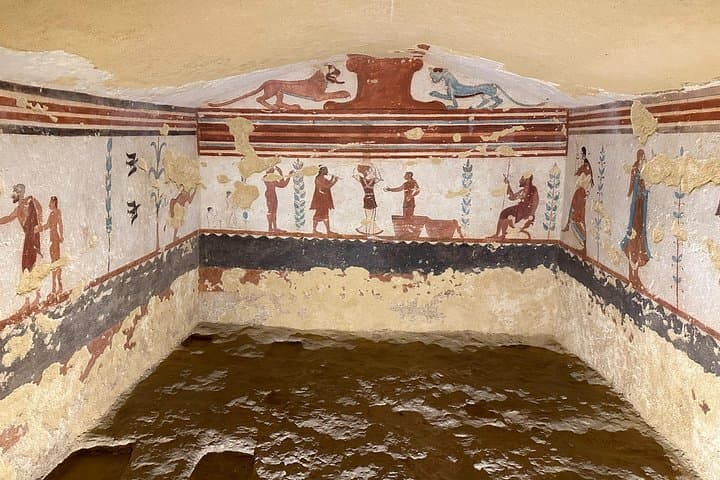
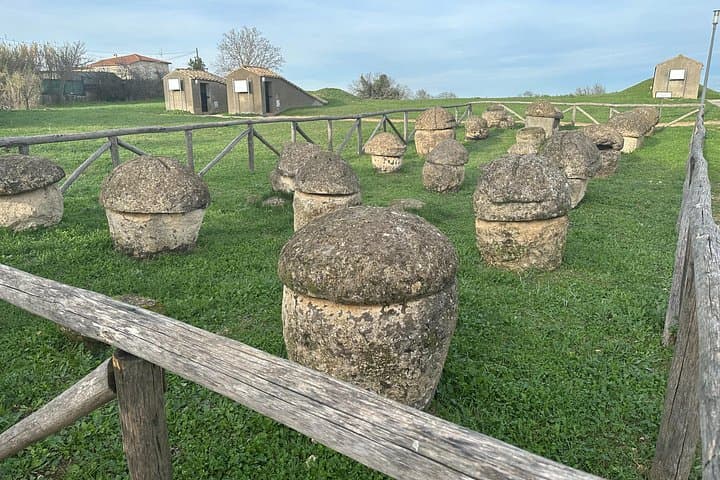
Tarquinia was a major Etruscan port and power before Rome's rise. Monterozzi Necropolis holds some 6,000 tombs, about 200 with frescoes—scenes of banquets, hunting, myth and daily life frozen on plaster. The Museum in Palazzo Vitelleschi collects sarcophagi, jewelry and ceramics that trace Etruscan craftsmanship from the 9th century BC through Roman integration. Geologically the area sits on uplifted sedimentary plains above the Tyrrhenian shelf; limestone outcrops and low scrub shape the necropolis ridges.
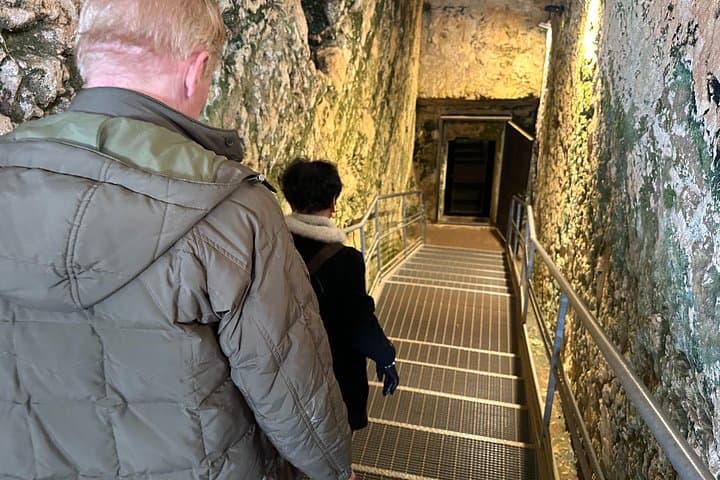
Expect easy walking on cobbles and compact dirt—total route distance is compact (roughly 1.5–2 km) with minimal elevation gain (<50 m). The experience balances outdoor exposure at the hilltop tombs and indoor displays in the museum; entrance fees to the necropolis and museum are included in this private half-day tour. Practical advice: start in the morning to avoid heat, wear sturdy shoes for uneven paths, carry water and a sun hat, and respect photography and flash rules inside frescos. The guide explains iconography and funerary ritual while pointing out lesser-known tombs, then leads you back through Tarquinia’s streets to Porta Farnese. This is a history-first outing for travelers who want context with every view.
Yes—the tour includes entry to the Monterozzi Necropolis and the National Archaeological Museum as stated in the itinerary.
The tour notes stroller accessibility for infants and small children, but expect cobbles and short dirt sections that may be awkward with larger strollers.
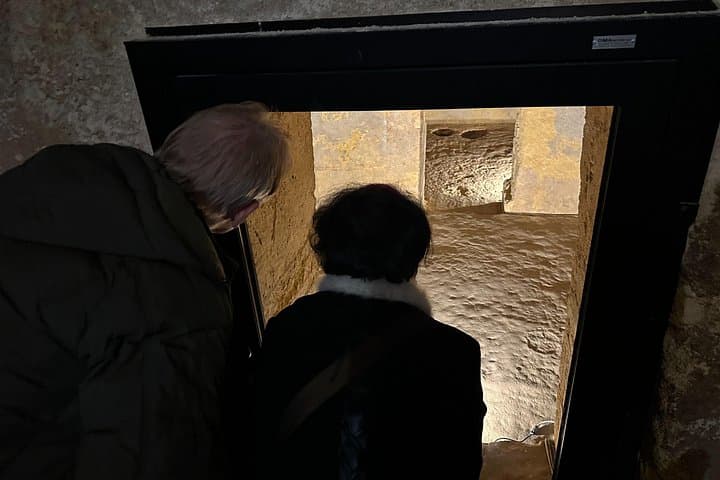
Photography may be restricted in some tombs to protect frescoes; follow your guide’s directions—flash is typically prohibited.
The route is compact—plan on roughly 1.5–2 km of walking with minimal elevation change and pauses for explanations and museum viewing.
Pink Umbrella Tours Corporate Events and Team Building operates guided outdoor trips and adventures with an emphasis on safety, stewardship, and memorable experiences.
You step into Trento e Trieste square as the fountain spits cool droplets; the town hums and a guide folds history into the morning air. Narrow medieval lanes open onto a belvedere where wind pushes you toward the low hills of Monterozzi, the ancient cemetery that keeps painted rooms of the dead.
You step into Trento e Trieste square as the fountain spits cool droplets; the town hums and a guide folds history into the morning air. Narrow medieval lanes open onto a belvedere where wind pushes you toward the low hills of Monterozzi, the ancient cemetery that keeps painted rooms of the dead.
Tarquinia was a major Etruscan port and power before Rome's rise. Monterozzi Necropolis holds some 6,000 tombs, about 200 with frescoes—scenes of banquets, hunting, myth and daily life frozen on plaster. The Museum in Palazzo Vitelleschi collects sarcophagi, jewelry and ceramics that trace Etruscan craftsmanship from the 9th century BC through Roman integration. Geologically the area sits on uplifted sedimentary plains above the Tyrrhenian shelf; limestone outcrops and low scrub shape the necropolis ridges.
Expect easy walking on cobbles and compact dirt—total route distance is compact (roughly 1.5–2 km) with minimal elevation gain (<50 m). The experience balances outdoor exposure at the hilltop tombs and indoor displays in the museum; entrance fees to the necropolis and museum are included in this private half-day tour. Practical advice: start in the morning to avoid heat, wear sturdy shoes for uneven paths, carry water and a sun hat, and respect photography and flash rules inside frescos. The guide explains iconography and funerary ritual while pointing out lesser-known tombs, then leads you back through Tarquinia’s streets to Porta Farnese. This is a history-first outing for travelers who want context with every view.