THE ADVENTURE COLLECTIVE® · Independent discovery and booking for outdoor travel

A classic six-day alpine trek from Srinagar to Tarsar, Marsar and Sundarsar lakes. Expect high meadows, glacially carved basins at ~13,500 ft, and multi-day camping with simple village support.
A classic six-day alpine trek from Srinagar to Tarsar, Marsar and Sundarsar lakes. Expect high meadows, glacially carved basins at ~13,500 ft, and multi-day camping with simple village support.
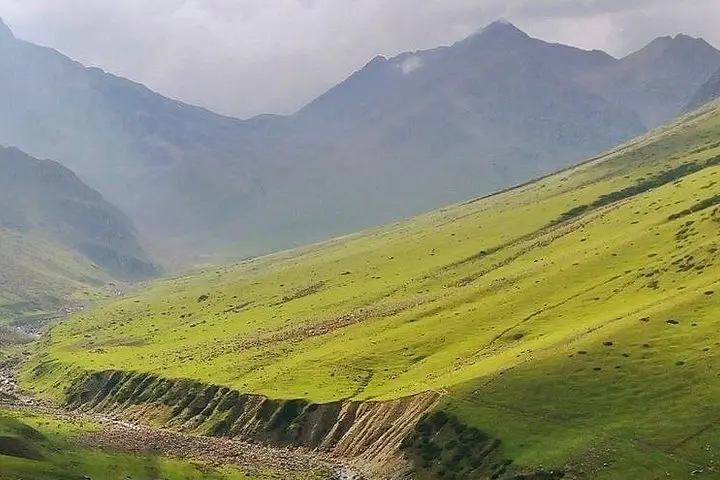
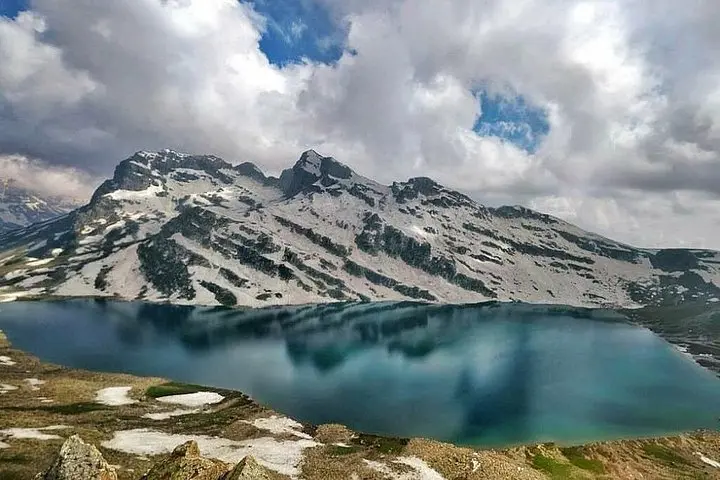
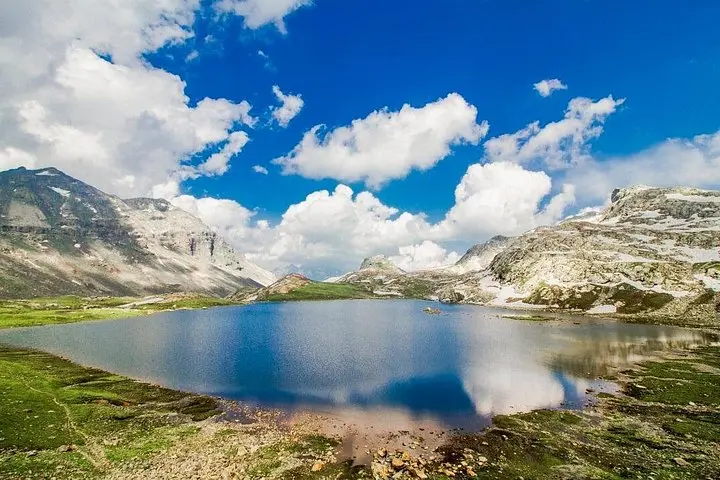
You step out of the last tree line and the world opens into a bowl of alpine meadows where three lakes sit like cold mirrors. Wind moves across grass and wildflowers, and the peaks around Tarsar, Marsar and Sundarsar press the sky into sharp angles—each bend in the trail reveals a new color: green, grey, then the blue-green of high water.
Verified experiences and guided adventures in the surrounding area.
Operated by Exploring Kashmir tours n treks · Srinagar, Jammu and Kashmir
You step out of the last tree line and the world opens into a bowl of alpine meadows where three lakes sit like cold mirrors. Wind moves across grass and wildflowers, and the peaks around Tarsar, Marsar and Sundarsar press the sky into sharp angles—each bend in the trail reveals a new color: green, grey, then the blue-green of high water.
The route traces old shepherd paths and seasonal grazing grounds in the eastern approaches to Dachigam National Park, an area shaped by glacial carving and spring melt. Geologically, these are cirque-fed tarns at roughly 13,500 feet; culturally the valley has long been used by Kashmiri shepherds and local villagers during summer transhumance.
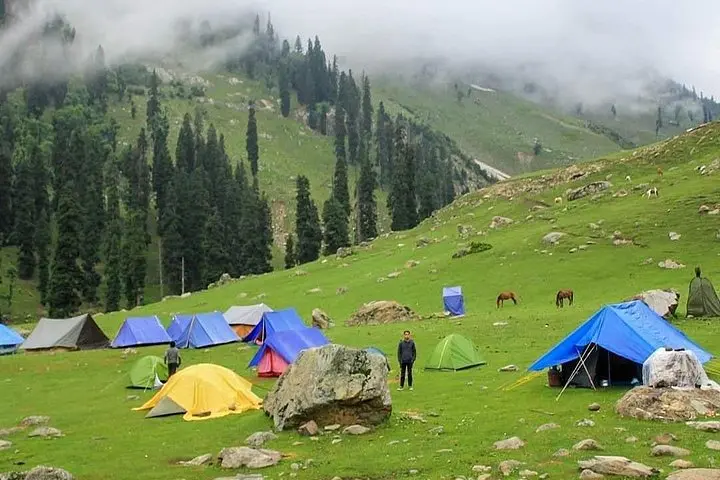
Expect one long ascent day and a mix of gentle meadow walking and rocky trail. Rivers fed by snowmelt demand careful crossing early in the season; later in summer they calm. Nights are camping under clear skies—stoves and tents are typically provided by operators, and horse support is common for gear.
Practical guidance: acclimatize in Srinagar, carry layered insulation and a warm sleeping system, and plan for five to six days on the trail with daily walks of 6–10 miles and frequent short breaks. Hydrate before high passes, use trekking poles on scree, and pack a small first-aid kit with blister care. Weather shifts quickly here—start early to avoid afternoon storms and give yourself time to enjoy lakeside camps without rushing.
This is a high-altitude, classic Kashmir alpine trek: scenic, demanding, and deeply outdoorsy—best for seasoned hikers comfortable with multi-day mountain travel.
Mid-June through September is the typical window—snow-free meadows, accessible passes and reliable camping conditions.
Permits and park permissions may be required depending on route and operator; confirm with your provider and local authorities in Srinagar.
Yes, many local operators provide pack horses or mules to carry luggage—confirm weight limits and availability when booking.
Carry a basic high-altitude first-aid kit, any personal medications, and travel insurance; know symptoms of altitude sickness and stop if they appear.
Exploring Kashmir tours n treks operates guided outdoor trips and adventures with an emphasis on safety, stewardship, and memorable experiences.
You step out of the last tree line and the world opens into a bowl of alpine meadows where three lakes sit like cold mirrors. Wind moves across grass and wildflowers, and the peaks around Tarsar, Marsar and Sundarsar press the sky into sharp angles—each bend in the trail reveals a new color: green, grey, then the blue-green of high water.
You step out of the last tree line and the world opens into a bowl of alpine meadows where three lakes sit like cold mirrors. Wind moves across grass and wildflowers, and the peaks around Tarsar, Marsar and Sundarsar press the sky into sharp angles—each bend in the trail reveals a new color: green, grey, then the blue-green of high water.
The route traces old shepherd paths and seasonal grazing grounds in the eastern approaches to Dachigam National Park, an area shaped by glacial carving and spring melt. Geologically, these are cirque-fed tarns at roughly 13,500 feet; culturally the valley has long been used by Kashmiri shepherds and local villagers during summer transhumance.
Expect one long ascent day and a mix of gentle meadow walking and rocky trail. Rivers fed by snowmelt demand careful crossing early in the season; later in summer they calm. Nights are camping under clear skies—stoves and tents are typically provided by operators, and horse support is common for gear.
Practical guidance: acclimatize in Srinagar, carry layered insulation and a warm sleeping system, and plan for five to six days on the trail with daily walks of 6–10 miles and frequent short breaks. Hydrate before high passes, use trekking poles on scree, and pack a small first-aid kit with blister care. Weather shifts quickly here—start early to avoid afternoon storms and give yourself time to enjoy lakeside camps without rushing.
This is a high-altitude, classic Kashmir alpine trek: scenic, demanding, and deeply outdoorsy—best for seasoned hikers comfortable with multi-day mountain travel.