THE ADVENTURE COLLECTIVE® · Independent discovery and booking for outdoor travel

Fly into the Tasman Glacier and spend two hours walking across ancient ice beneath Aoraki’s peaks. This heli-hike pairs a scenic helicopter landing with guided glacier travel—perfect for hikers who want an efficient, high-impact alpine experience.
Fly into the Tasman Glacier and spend two hours walking across ancient ice beneath Aoraki’s peaks. This heli-hike pairs a scenic helicopter landing with guided glacier travel—perfect for hikers who want an efficient, high-impact alpine experience.
A helicopter rotors-down, and the silence of ice takes over: you step onto bright blue crevasses and a field of fractured seracs beneath the Southern Alps. The Tasman Glacier unfurls from Aoraki / Mount Cook like a slow, cold river—plain ice at your feet, huge icefalls tumbling from higher ridges, and the Alps’ snow-clad summits keeping watch.
Verified experiences and guided adventures in the surrounding area.
Operated by Totally Tourism - The Helicopter Line · Aoraki / Mount Cook Village, Canterbury
A helicopter rotors-down, and the silence of ice takes over: you step onto bright blue crevasses and a field of fractured seracs beneath the Southern Alps. The Tasman Glacier unfurls from Aoraki / Mount Cook like a slow, cold river—plain ice at your feet, huge icefalls tumbling from higher ridges, and the Alps’ snow-clad summits keeping watch.
This landscape is recent in geologic terms. The Tasman Glacier carved the valley during the last glacial cycles and continues to move, calve, and melt—its terminal lake formed only in the 20th century as the glacier retreated. For Māori the mountain Aoraki carries deep cultural significance as an ancestor and landscape-maker; the national park is part of Te Wāhipounamu, a World Heritage area recognized for outstanding alpine geology and biodiversity.
The guided component focuses on safe glacier travel: crampons, route-finding around meltwater and crevasse zones, and interpretation of ice features. The helicopter segment provides aerial context—Hochstetter Icefall and the braided moraine patterns become readable from above before you land at roughly 1,200 m for a two-hour hike.
Practicalities: allow three hours total, bring layered warm clothing, sturdy footwear, sunglasses and sunscreen, and a small daypack with water and snacks. Weather controls operations—flexibility is essential. Expect moderate exertion on uneven icy terrain; guides carry safety gear and lead route selection. This heli-hike pairs aerial thrills with hands-on glacier walking—an efficient way to experience one of New Zealand’s largest glaciers with expert support.
The guided on-glacier portion is approximately two hours, embedded within a three-hour total experience including scenic flights.
Yes—guides supply crampons and sturdy walking boots if you don’t bring your own; try them on during briefing for a good fit.
Flights are weather-dependent; if canceled you can reschedule or redeem the voucher for a similar scenic flight at nearby operations per the provider’s policy.
Minimum age is 10; children must be capable of walking on ice with crampons and meet weight/fitness requirements.
Totally Tourism - The Helicopter Line operates guided outdoor trips and adventures with an emphasis on safety, stewardship, and memorable experiences.
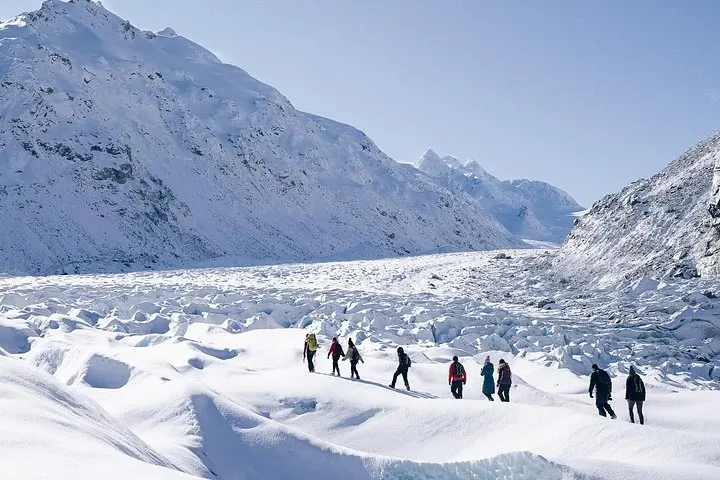
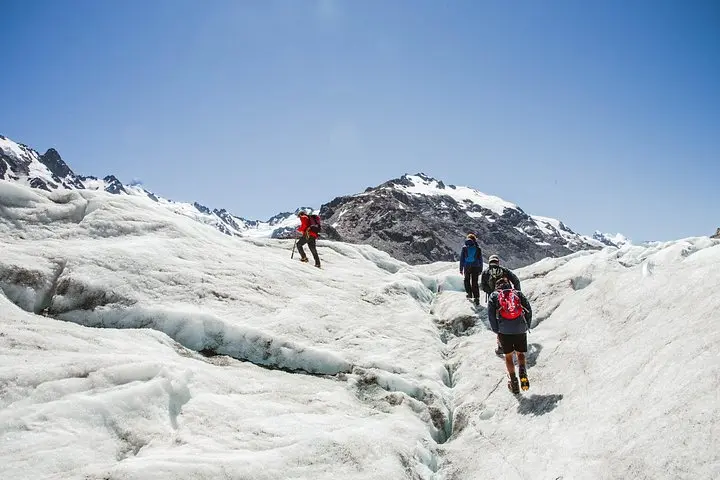
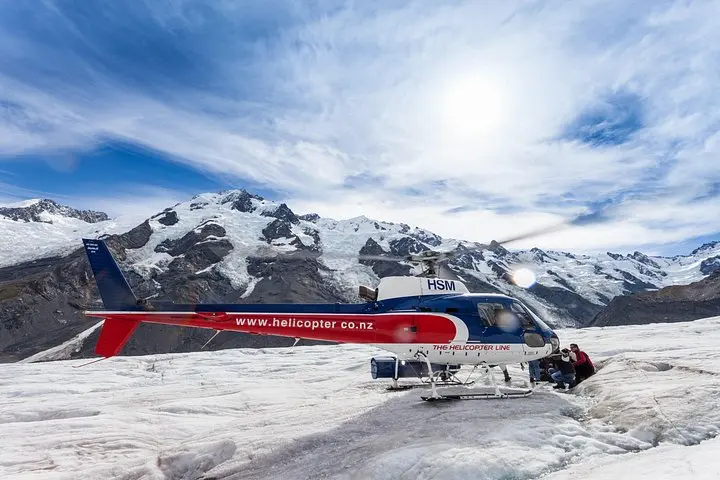
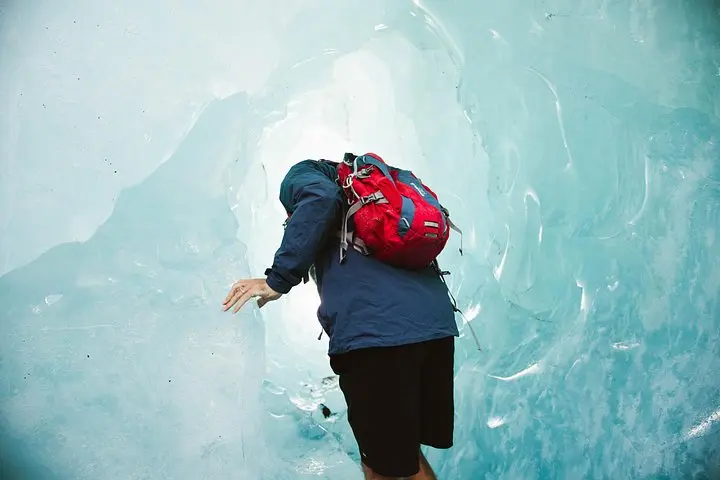
A helicopter rotors-down, and the silence of ice takes over: you step onto bright blue crevasses and a field of fractured seracs beneath the Southern Alps. The Tasman Glacier unfurls from Aoraki / Mount Cook like a slow, cold river—plain ice at your feet, huge icefalls tumbling from higher ridges, and the Alps’ snow-clad summits keeping watch.
A helicopter rotors-down, and the silence of ice takes over: you step onto bright blue crevasses and a field of fractured seracs beneath the Southern Alps. The Tasman Glacier unfurls from Aoraki / Mount Cook like a slow, cold river—plain ice at your feet, huge icefalls tumbling from higher ridges, and the Alps’ snow-clad summits keeping watch.
This landscape is recent in geologic terms. The Tasman Glacier carved the valley during the last glacial cycles and continues to move, calve, and melt—its terminal lake formed only in the 20th century as the glacier retreated. For Māori the mountain Aoraki carries deep cultural significance as an ancestor and landscape-maker; the national park is part of Te Wāhipounamu, a World Heritage area recognized for outstanding alpine geology and biodiversity.
The guided component focuses on safe glacier travel: crampons, route-finding around meltwater and crevasse zones, and interpretation of ice features. The helicopter segment provides aerial context—Hochstetter Icefall and the braided moraine patterns become readable from above before you land at roughly 1,200 m for a two-hour hike.
Practicalities: allow three hours total, bring layered warm clothing, sturdy footwear, sunglasses and sunscreen, and a small daypack with water and snacks. Weather controls operations—flexibility is essential. Expect moderate exertion on uneven icy terrain; guides carry safety gear and lead route selection. This heli-hike pairs aerial thrills with hands-on glacier walking—an efficient way to experience one of New Zealand’s largest glaciers with expert support.