THE ADVENTURE COLLECTIVE® · Independent discovery and booking for outdoor travel

Spend a half day from Hobart visiting Bonorong Wildlife Sanctuary and driving to the summit of kunanyi/Mount Wellington. Expect close wildlife encounters, sweeping summit views, and practical tips for dealing with fast-changing alpine weather.
Spend a half day from Hobart visiting Bonorong Wildlife Sanctuary and driving to the summit of kunanyi/Mount Wellington. Expect close wildlife encounters, sweeping summit views, and practical tips for dealing with fast-changing alpine weather.
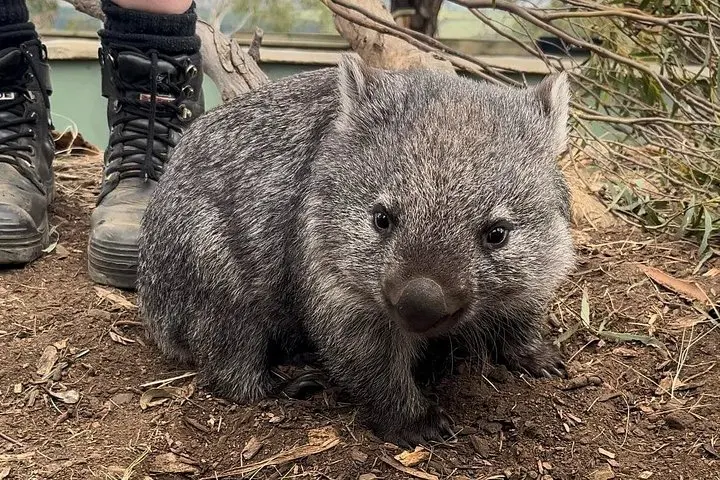
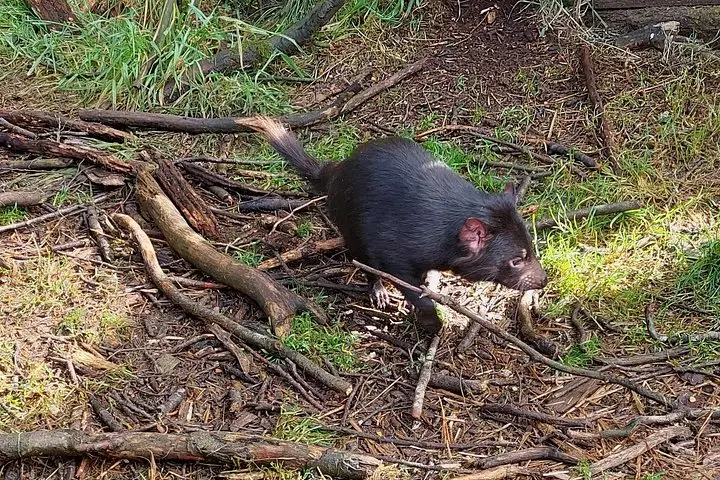
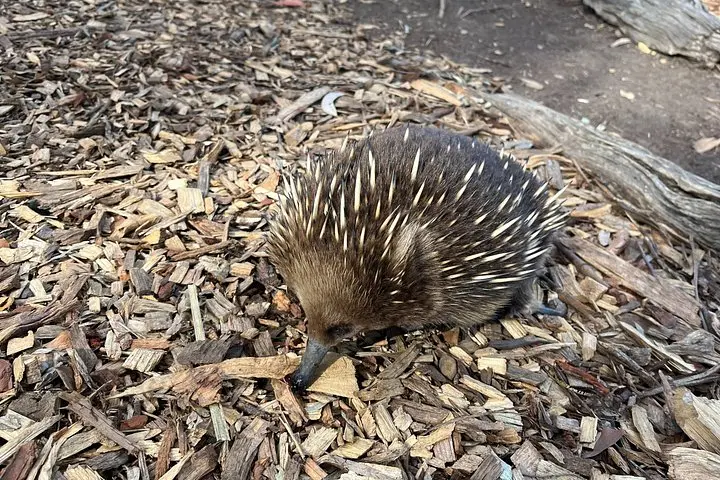
You step off the wharf into Hobart’s salt-tinged air and, within an hour, the city’s streets fall away to rolling farmland. Kangaroos graze in sunlit paddocks; a roadside stand of gums rustles as the bus climbs toward kunanyi/Mount Wellington. At Bonorong Wildlife Sanctuary the animals own the pace — a wombat ambles through long grass, a devil peers from a shaded den, and friendly wallabies will gently take food from your hand.
Verified experiences and guided adventures in the surrounding area.
Operated by eGuide · Hobart, Tasmania
You step off the wharf into Hobart’s salt-tinged air and, within an hour, the city’s streets fall away to rolling farmland. Kangaroos graze in sunlit paddocks; a roadside stand of gums rustles as the bus climbs toward kunanyi/Mount Wellington. At Bonorong Wildlife Sanctuary the animals own the pace — a wombat ambles through long grass, a devil peers from a shaded den, and friendly wallabies will gently take food from your hand.
The route traces Tasmania’s layered history: Palawa people named the mountain kunanyi long before European settlement carved tracks and pasture into the foothills. Geology here reads like an open book — ancient dolerite columns break up to form the craggy skyline of the mountain while glacial action scoured deeper valleys to the west. Locals prize both the conservation work at Bonorong, where rehab and public education intersect, and the panoramic vantage at the summit that frames Hobart, the Derwent estuary, and Bruny Island like a living postcard.
Practically, the day blends low-effort walking with short windows of interpretive time: 90 minutes at the sanctuary and roughly 45 minutes at summit lookouts. Weather on kunanyi changes fast; wind and cloud can arrive within minutes and sharpen the air. Bring layers, a refillable water bottle, and a camera with steady hands — the light across the estuary is worth the frame. Respect wildlife rules at Bonorong: no chasing, follow staff guidance, and don’t feed animals anything not provided by keepers. With straightforward logistics, this half-day excursion is an efficient way to sample Tasmania’s wilderness, wildlife stewardship, and high-country views in a single outing.
Yes — the tour includes admission into Bonorong Wildlife Sanctuary and time to explore exhibits and meet keepers.
The excursion lasts about five hours and departs from Hobart’s Franklin Wharf/Crystal Brook cruise terminal area—easy walking access from central Hobart.
Yes — it’s family friendly and suitable for most ages, but follow sanctuary rules around close contact with animals and supervision requirements.
The tour operates in most conditions; summit visibility may be reduced by cloud, and cancellation policies follow the operator’s terms (full refund if canceled 24+ hours before).
eGuide operates guided outdoor trips and adventures with an emphasis on safety, stewardship, and memorable experiences.
You step off the wharf into Hobart’s salt-tinged air and, within an hour, the city’s streets fall away to rolling farmland. Kangaroos graze in sunlit paddocks; a roadside stand of gums rustles as the bus climbs toward kunanyi/Mount Wellington. At Bonorong Wildlife Sanctuary the animals own the pace — a wombat ambles through long grass, a devil peers from a shaded den, and friendly wallabies will gently take food from your hand.
You step off the wharf into Hobart’s salt-tinged air and, within an hour, the city’s streets fall away to rolling farmland. Kangaroos graze in sunlit paddocks; a roadside stand of gums rustles as the bus climbs toward kunanyi/Mount Wellington. At Bonorong Wildlife Sanctuary the animals own the pace — a wombat ambles through long grass, a devil peers from a shaded den, and friendly wallabies will gently take food from your hand.
The route traces Tasmania’s layered history: Palawa people named the mountain kunanyi long before European settlement carved tracks and pasture into the foothills. Geology here reads like an open book — ancient dolerite columns break up to form the craggy skyline of the mountain while glacial action scoured deeper valleys to the west. Locals prize both the conservation work at Bonorong, where rehab and public education intersect, and the panoramic vantage at the summit that frames Hobart, the Derwent estuary, and Bruny Island like a living postcard.
Practically, the day blends low-effort walking with short windows of interpretive time: 90 minutes at the sanctuary and roughly 45 minutes at summit lookouts. Weather on kunanyi changes fast; wind and cloud can arrive within minutes and sharpen the air. Bring layers, a refillable water bottle, and a camera with steady hands — the light across the estuary is worth the frame. Respect wildlife rules at Bonorong: no chasing, follow staff guidance, and don’t feed animals anything not provided by keepers. With straightforward logistics, this half-day excursion is an efficient way to sample Tasmania’s wilderness, wildlife stewardship, and high-country views in a single outing.