THE ADVENTURE COLLECTIVE® · Independent discovery and booking for outdoor travel

Walk Hanover Street and taste generations of Italian recipes while learning Boston stories tied to Paul Revere and immigrant life. This two-hour food-and-history tour mixes small bites, bakery debates, and compact urban walking—ideal for curious travelers.
Walk Hanover Street and taste generations of Italian recipes while learning Boston stories tied to Paul Revere and immigrant life. This two-hour food-and-history tour mixes small bites, bakery debates, and compact urban walking—ideal for curious travelers.
You step off the T and into a street that still remembers footsteps from another century: narrow Hanover Street, cobblestones underfoot, the scent of espresso and garlic drifting from open doorways. This two-hour walk threads between bakeries and family-run eateries, bringing you face-to-face with living traditions — businesses run on the same recipes and stubborn pride passed down through generations.
Verified experiences and guided adventures in the surrounding area.
Operated by Top Dog Tours Inc. · Boston, MA
You step off the T and into a street that still remembers footsteps from another century: narrow Hanover Street, cobblestones underfoot, the scent of espresso and garlic drifting from open doorways. This two-hour walk threads between bakeries and family-run eateries, bringing you face-to-face with living traditions — businesses run on the same recipes and stubborn pride passed down through generations.
Boston's North End is the city’s oldest residential neighborhood and a focal point for 19th-century Italian immigration. Historic landmarks like Paul Revere House and Old North Church sit amid the commercial pulse; the geology is typical coastal New England—filled in marshes and reclaimed land that shaped narrow lanes and close buildings.
Culturally, the North End retains a neighborhood feel: festivals, saints' feasts, and bakeries where cannoli debates are a local pastime. Your guide will link food to stories—immigrant entrepreneurship, boxing clubs, and Revolutionary-era routes—so each bite connects to place.
Practically, expect 1.0–1.5 miles of walking over uneven cobbles and sidewalks, with frequent stops for tastings. The tour is accessible and paced for most visitors, but comfortable shoes help. Bring water and a light jacket: cafés offer shade but little formal seating between stops.
Timing matters—arrive earlier in the day to avoid evening crowds and lines at popular pastry shops. Pay attention to portion sizes if you’re sampling widely; walkable distances between stops make this an active culinary tour rather than a sit-down meal. It’s a short, concentrated way to taste Boston history while moving through a neighborhood that still feeds its past into the present.
Expect roughly 1–1.5 miles total over two hours with frequent short stops; terrain is mostly sidewalk and cobblestone.
Yes—multiple small tastings at bakeries and cafes are part of the tour, designed to sample a variety of foods rather than a full meal.
The tour is listed as wheelchair and stroller accessible, though some cobblestone areas can be bumpy—check with the operator if you have specific accessibility needs.
Inform the operator at booking of allergies or restrictions; guides can often substitute or skip certain tastings but options vary by stop.
Top Dog Tours Inc. operates guided outdoor trips and adventures with an emphasis on safety, stewardship, and memorable experiences.
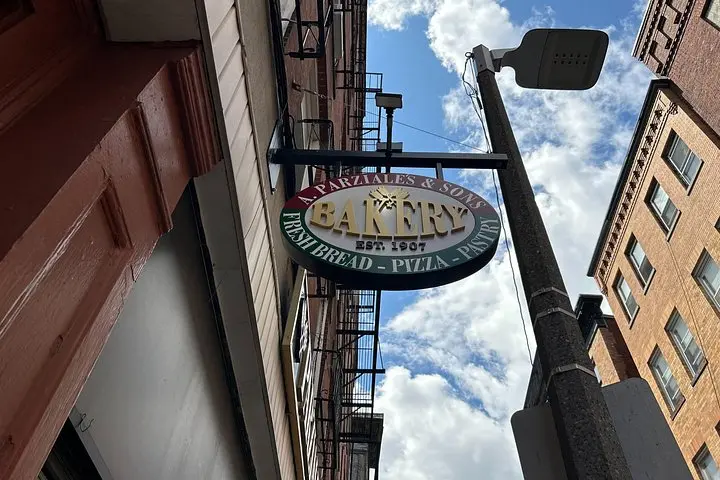
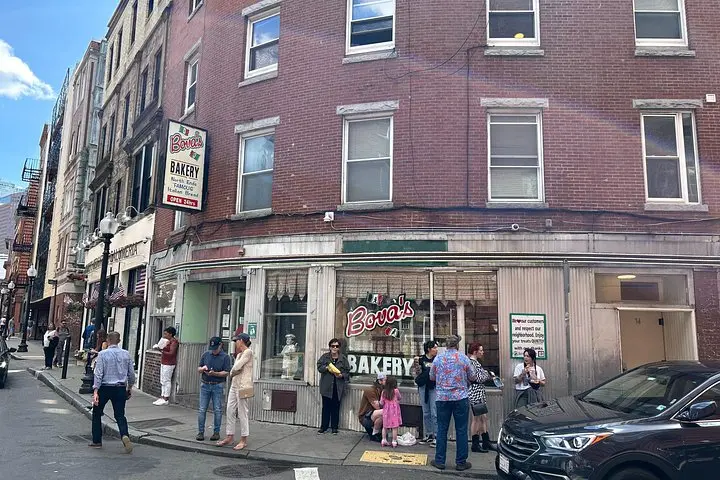
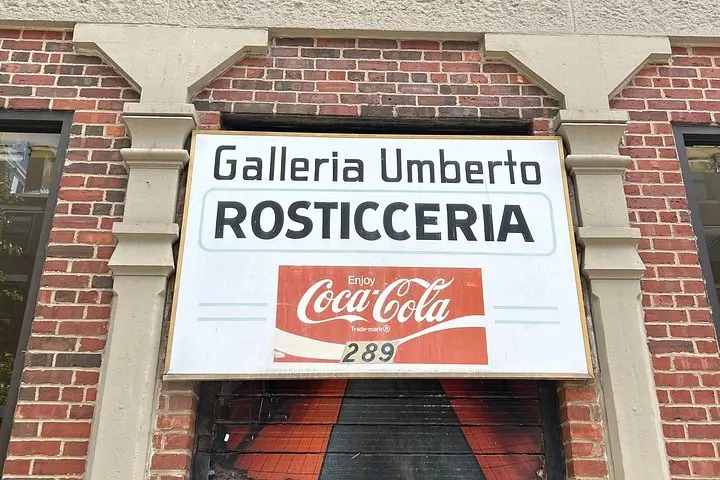
You step off the T and into a street that still remembers footsteps from another century: narrow Hanover Street, cobblestones underfoot, the scent of espresso and garlic drifting from open doorways. This two-hour walk threads between bakeries and family-run eateries, bringing you face-to-face with living traditions — businesses run on the same recipes and stubborn pride passed down through generations.
You step off the T and into a street that still remembers footsteps from another century: narrow Hanover Street, cobblestones underfoot, the scent of espresso and garlic drifting from open doorways. This two-hour walk threads between bakeries and family-run eateries, bringing you face-to-face with living traditions — businesses run on the same recipes and stubborn pride passed down through generations.
Boston's North End is the city’s oldest residential neighborhood and a focal point for 19th-century Italian immigration. Historic landmarks like Paul Revere House and Old North Church sit amid the commercial pulse; the geology is typical coastal New England—filled in marshes and reclaimed land that shaped narrow lanes and close buildings.
Culturally, the North End retains a neighborhood feel: festivals, saints' feasts, and bakeries where cannoli debates are a local pastime. Your guide will link food to stories—immigrant entrepreneurship, boxing clubs, and Revolutionary-era routes—so each bite connects to place.
Practically, expect 1.0–1.5 miles of walking over uneven cobbles and sidewalks, with frequent stops for tastings. The tour is accessible and paced for most visitors, but comfortable shoes help. Bring water and a light jacket: cafés offer shade but little formal seating between stops.
Timing matters—arrive earlier in the day to avoid evening crowds and lines at popular pastry shops. Pay attention to portion sizes if you’re sampling widely; walkable distances between stops make this an active culinary tour rather than a sit-down meal. It’s a short, concentrated way to taste Boston history while moving through a neighborhood that still feeds its past into the present.