THE ADVENTURE COLLECTIVE® · Independent discovery and booking for outdoor travel

Walk the lanes of El Born and the Gothic Quarter on a private 3-hour tasting tour that pairs Catalan history with eight classic specialties—from market produce to monastic sweets. Ideal for first-time visitors who want local context with every bite.
Walk the lanes of El Born and the Gothic Quarter on a private 3-hour tasting tour that pairs Catalan history with eight classic specialties—from market produce to monastic sweets. Ideal for first-time visitors who want local context with every bite.
A few steps off a narrow, sun-warmed street and the city reshapes itself: the air fills with frying oil, citrus, and toasted bread. On this private 3-hour walk through El Born and the Gothic Quarter, every corner offers a new sense of place—ancient stone walls, market stalls, and family-run bars that have fed locals for generations.
Verified experiences and guided adventures in the surrounding area.
Operated by Toorers · Barcelona, Catalonia
A few steps off a narrow, sun-warmed street and the city reshapes itself: the air fills with frying oil, citrus, and toasted bread. On this private 3-hour walk through El Born and the Gothic Quarter, every corner offers a new sense of place—ancient stone walls, market stalls, and family-run bars that have fed locals for generations.
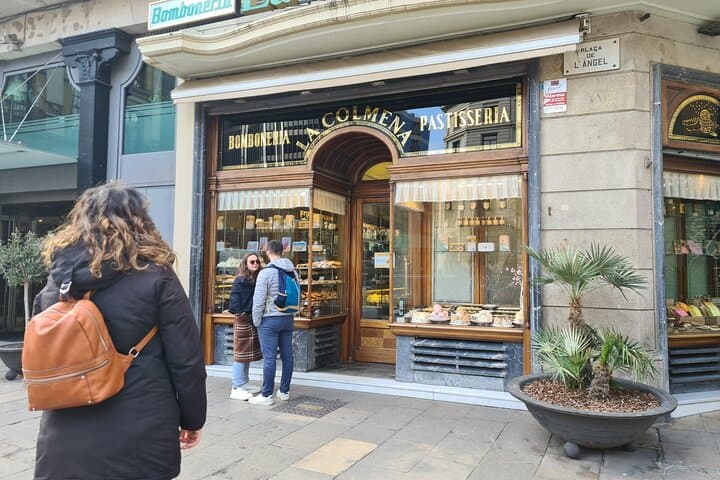
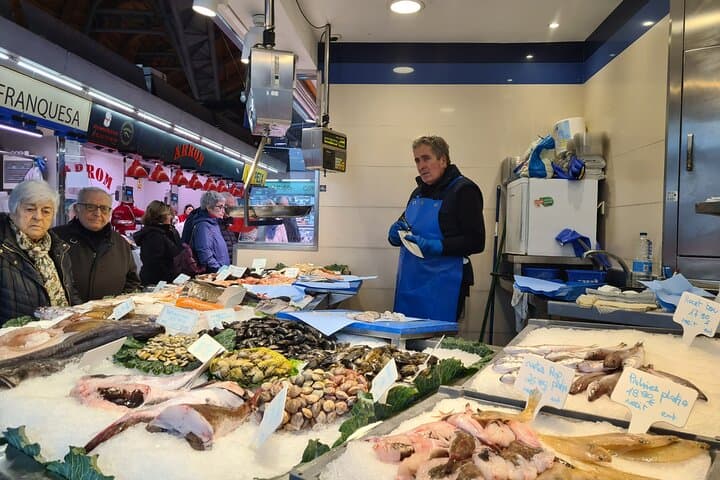
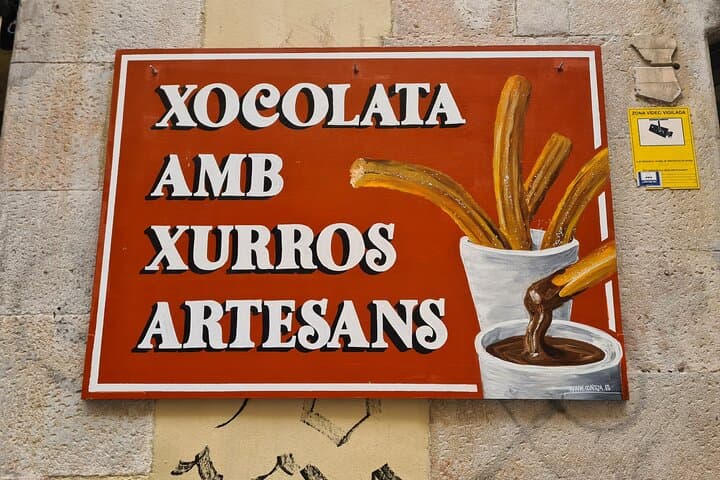
The Born grew from medieval mercantile bustle; its market buildings and exposed Roman and medieval ruins chart Barcelona’s layers of history. Geology shows itself in the city’s port-fed soils and limestone façades that absorb heat, while Catalan culture announces itself through vermut rituals, convent sweets, and recipes handed down in narrow kitchens. You’ll visit a covered market—one of the city’s oldest food hubs—sample eight Catalan specialties from croquetas and cured meats to hot chocolate made by monastic confectioners, and meet vendors whose work defines the neighborhood’s flavor.
Practical guidance: the route is mostly flat cobblestone streets and short alleys—expect light walking on uneven surfaces and brief standing at counters. Book morning or late-afternoon slots to avoid the midday heat and to catch vendors when produce is freshest. Carry a small water bottle, wear comfortable shoes with grip, and bring a credit card plus some cash for small purchases. Mention dietary restrictions when booking; the private format makes accommodations straightforward.
The walk is as much about people as it is about food: listen for local rhythms—shopkeepers calling prices, the clink of porcelain—and let the city’s tastes lead the way.
Yes—the operator indicates wheelchair and stroller accessibility, though some historic streets have uneven surfaces and limited curb cuts.
Yes—this private tour accepts special dietary requests if notified at booking so guides can choose appropriate stops.
The itinerary includes around eight Catalan specialties across market stalls, a family bar, a tea room, and a pastry shop.
Full refunds are available if you cancel at least 24 hours before departure; check your booking confirmation for details.
Toorers operates guided outdoor trips and adventures with an emphasis on safety, stewardship, and memorable experiences.

A few steps off a narrow, sun-warmed street and the city reshapes itself: the air fills with frying oil, citrus, and toasted bread. On this private 3-hour walk through El Born and the Gothic Quarter, every corner offers a new sense of place—ancient stone walls, market stalls, and family-run bars that have fed locals for generations.
A few steps off a narrow, sun-warmed street and the city reshapes itself: the air fills with frying oil, citrus, and toasted bread. On this private 3-hour walk through El Born and the Gothic Quarter, every corner offers a new sense of place—ancient stone walls, market stalls, and family-run bars that have fed locals for generations.
The Born grew from medieval mercantile bustle; its market buildings and exposed Roman and medieval ruins chart Barcelona’s layers of history. Geology shows itself in the city’s port-fed soils and limestone façades that absorb heat, while Catalan culture announces itself through vermut rituals, convent sweets, and recipes handed down in narrow kitchens. You’ll visit a covered market—one of the city’s oldest food hubs—sample eight Catalan specialties from croquetas and cured meats to hot chocolate made by monastic confectioners, and meet vendors whose work defines the neighborhood’s flavor.
Practical guidance: the route is mostly flat cobblestone streets and short alleys—expect light walking on uneven surfaces and brief standing at counters. Book morning or late-afternoon slots to avoid the midday heat and to catch vendors when produce is freshest. Carry a small water bottle, wear comfortable shoes with grip, and bring a credit card plus some cash for small purchases. Mention dietary restrictions when booking; the private format makes accommodations straightforward.
The walk is as much about people as it is about food: listen for local rhythms—shopkeepers calling prices, the clink of porcelain—and let the city’s tastes lead the way.