THE ADVENTURE COLLECTIVE® · Independent discovery and booking for outdoor travel

Taste Ecuador packs the country’s coastal, Andean and Amazonian flavors into one guided half-day in Quito. Visit markets, sample cacao and street eats, and choose between a traditional group dinner or an optional fine-dining upgrade.
Taste Ecuador packs the country’s coastal, Andean and Amazonian flavors into one guided half-day in Quito. Visit markets, sample cacao and street eats, and choose between a traditional group dinner or an optional fine-dining upgrade.
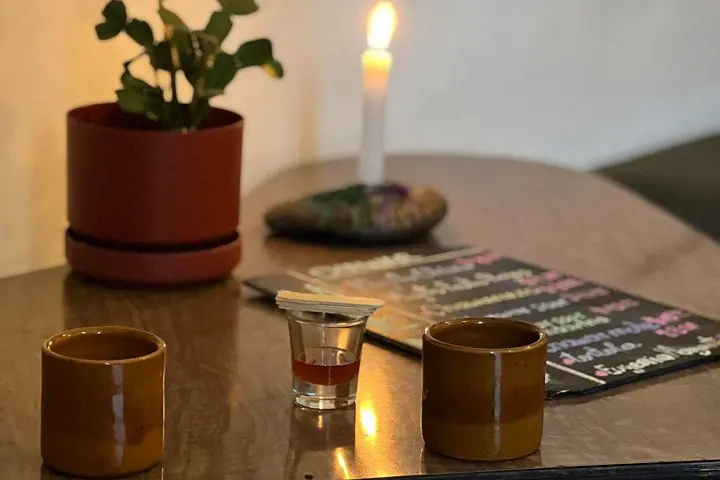
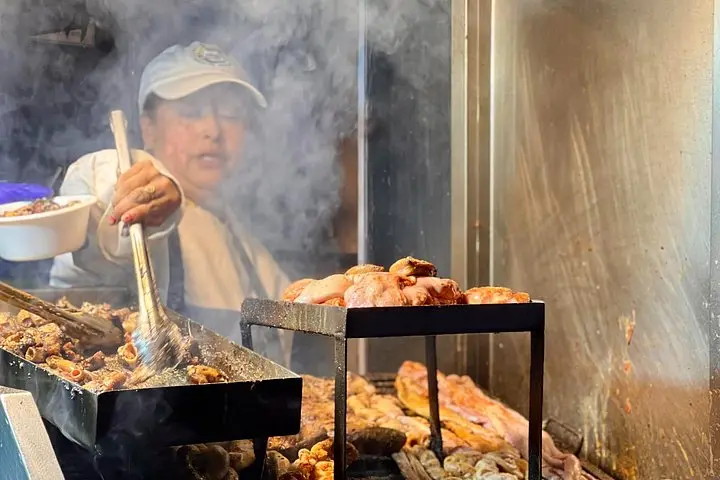
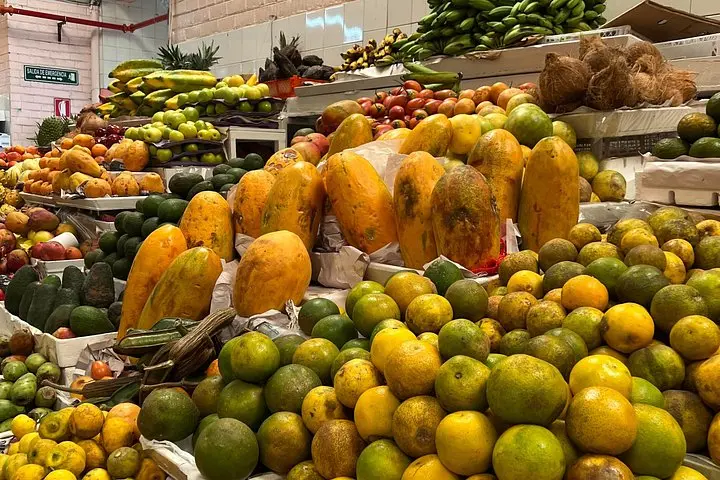
The tour opens in Quito’s Old Town where cobbled streets and colonial facades funnel the senses into market alleys fragrant with citrus, fried dough, and roasting cacao. A local guide leads the group through seven curated tasting stops — from Amazonian fruits that sting the palate with unfamiliar sweetness to hornado slow-roasted in traditional wood-fired pits — stitching regional flavors into one urban afternoon.
Verified experiences and guided adventures in the surrounding area.
Operated by Awaken · Quito, Pichincha
The tour opens in Quito’s Old Town where cobbled streets and colonial facades funnel the senses into market alleys fragrant with citrus, fried dough, and roasting cacao. A local guide leads the group through seven curated tasting stops — from Amazonian fruits that sting the palate with unfamiliar sweetness to hornado slow-roasted in traditional wood-fired pits — stitching regional flavors into one urban afternoon.
Quito sits on volcanic terrain at roughly 2,850 m (9,350 ft), a city born of pre-Inca and Inca settlements and reshaped by Spanish colonial architecture; the food reflects that layered history — Andean potatoes, coastal seafood, and Amazonian cacao meeting Spanish preservation and technique. Neighborhoods like La Floresta show Quito’s recent creative pulse: cafés, galleries, and experimental bars pour modern takes on chawar (Andean spirit).
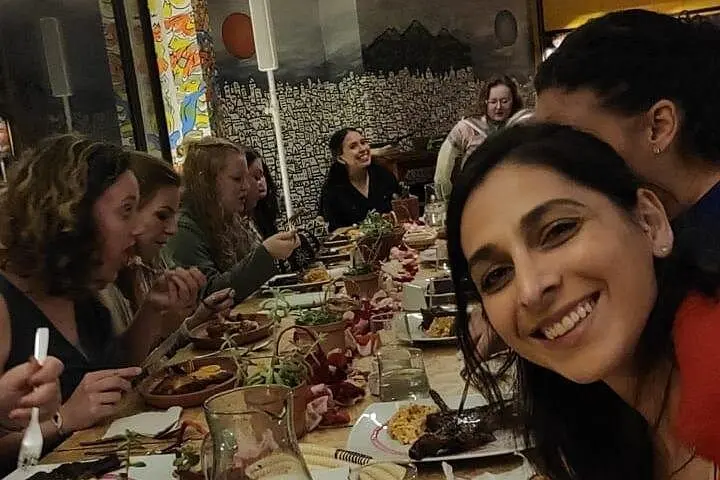
Expect lively markets, short drives between neighborhoods, and a mix of standing-room tastings and seated dining. The itinerary includes an ethical cacao stop and two dinner options (standard group dinner or an optional fine-dining upgrade at Casa Samos for an additional fee). Guides often discuss sourcing and sustainability; net profits support local education and bioeconomy programs.
Practical notes: wear sturdy walking shoes and layers for sharp altitude swings, carry a refillable water bottle and any medication for altitude discomfort, and flag allergies well in advance. Bring small bills for incidental purchases and arrive with an appetite — tastings are generous and varied. The pace is gentle, suitable for most fitness levels, and balances exploration with seated meals so you can focus on flavor and local stories.
The experience runs roughly 5–7 hours, combining walking, short drives between neighborhoods, and a seated dinner.
Yes — inform the operator of allergies or dietary requirements when booking so guides can tailor tastings; some venues have limited substitutions.
No — the Casa Samos tasting menu is an optional upgrade for an additional charge (typically around $80 per person).
The tour is listed as suitable for all fitness levels but involves walking on uneven surfaces; contact the operator for accommodations or private transportation needs.
Awaken operates guided outdoor trips and adventures with an emphasis on safety, stewardship, and memorable experiences.
The tour opens in Quito’s Old Town where cobbled streets and colonial facades funnel the senses into market alleys fragrant with citrus, fried dough, and roasting cacao. A local guide leads the group through seven curated tasting stops — from Amazonian fruits that sting the palate with unfamiliar sweetness to hornado slow-roasted in traditional wood-fired pits — stitching regional flavors into one urban afternoon.
The tour opens in Quito’s Old Town where cobbled streets and colonial facades funnel the senses into market alleys fragrant with citrus, fried dough, and roasting cacao. A local guide leads the group through seven curated tasting stops — from Amazonian fruits that sting the palate with unfamiliar sweetness to hornado slow-roasted in traditional wood-fired pits — stitching regional flavors into one urban afternoon.
Quito sits on volcanic terrain at roughly 2,850 m (9,350 ft), a city born of pre-Inca and Inca settlements and reshaped by Spanish colonial architecture; the food reflects that layered history — Andean potatoes, coastal seafood, and Amazonian cacao meeting Spanish preservation and technique. Neighborhoods like La Floresta show Quito’s recent creative pulse: cafés, galleries, and experimental bars pour modern takes on chawar (Andean spirit).
Expect lively markets, short drives between neighborhoods, and a mix of standing-room tastings and seated dining. The itinerary includes an ethical cacao stop and two dinner options (standard group dinner or an optional fine-dining upgrade at Casa Samos for an additional fee). Guides often discuss sourcing and sustainability; net profits support local education and bioeconomy programs.
Practical notes: wear sturdy walking shoes and layers for sharp altitude swings, carry a refillable water bottle and any medication for altitude discomfort, and flag allergies well in advance. Bring small bills for incidental purchases and arrive with an appetite — tastings are generous and varied. The pace is gentle, suitable for most fitness levels, and balances exploration with seated meals so you can focus on flavor and local stories.