THE ADVENTURE COLLECTIVE® · Independent discovery and booking for outdoor travel

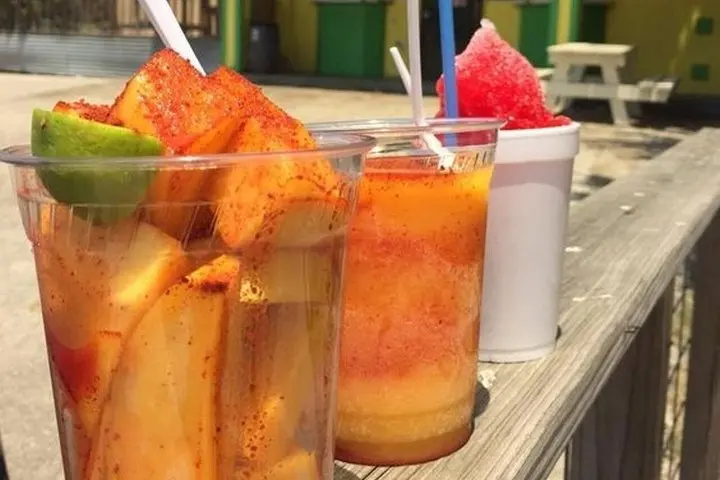
Walk Houston’s downtown streets with a local and sample iconic street foods — from birria ramen to Cajun gumbo — while learning the neighborhood histories that shaped them. This private, three-hour tour mixes tastings with practical tips for navigating the city’s culinary corners.
Walk Houston’s downtown streets with a local and sample iconic street foods — from birria ramen to Cajun gumbo — while learning the neighborhood histories that shaped them. This private, three-hour tour mixes tastings with practical tips for navigating the city’s culinary corners.
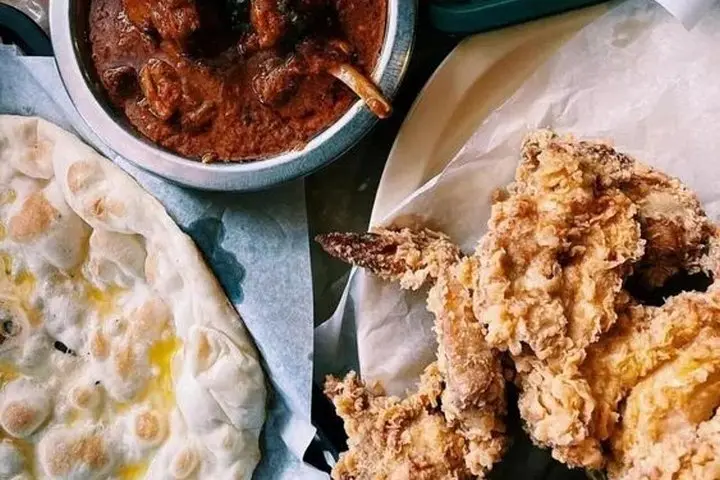
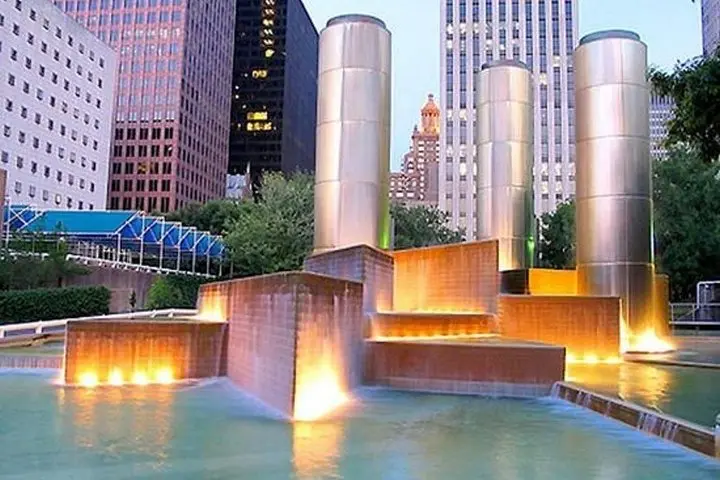
Morning light hits Houston's downtown glass and brick, and the city answers with the smell of simmering stock and frying oil. On this private three-hour walking tour, a local guide moves you through narrow alleys and busy sidewalks where tacos steam beside Vietnamese grills and Cajun spice flavors a corner stall.
Verified experiences and guided adventures in the surrounding area.
Operated by Guydeez · Houston, Texas
Morning light hits Houston's downtown glass and brick, and the city answers with the smell of simmering stock and frying oil. On this private three-hour walking tour, a local guide moves you through narrow alleys and busy sidewalks where tacos steam beside Vietnamese grills and Cajun spice flavors a corner stall.
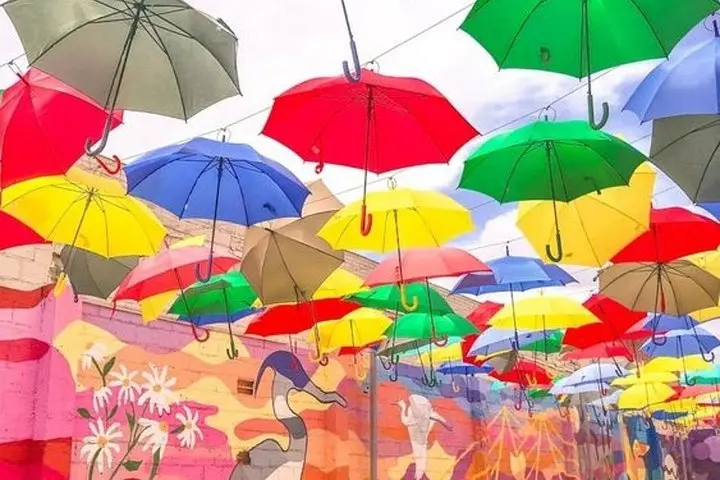
Houston's food map reflects waves of migration and a hinterland geology shaped by the nearby Buffalo Bayou — a low-lying corridor that became the city's trading spine. The result is urban layering: Mexican, Vietnamese, Nigerian and Southern plates sharing storefronts and late-night counters. Along the route you'll see street art that records neighborhood change and hear quick histories of markets that grew out of railroad and oil-era commerce.
Expect concise cultural context between tastings: how a birria vendor adapted techniques, why po'boys traveled inland, and how immigrant entrepreneurs repurposed small storefronts. The walk covers roughly 1–2 miles on mostly flat sidewalks with intermittent stairs and café seating.
Practical guidance: book mornings or early evenings to avoid peak heat, bring a refillable water bottle and cash for small vendors, and wear shoes that handle uneven curbs. The tour is wheelchair-accessible in most areas but confirm in advance for specific stops.
This is a sensory urban trek — savory, bright, occasionally spicy — designed for curious eaters who want historical context with every bite. It’s less about haute dining and more about connecting flavors to the people and neighborhoods that made them.
The tour runs about three hours and covers roughly 1–2 miles on mostly flat downtown sidewalks with occasional short stair segments.
Most parts of the route are wheelchair-accessible; inform the operator of specific needs when booking so they can tailor stops accordingly.
Yes — the private tour includes multiple food and drink tastings at selected vendors and restaurants as described by the operator.
Yes — because the tour is private, guides can adjust stops for allergies or dietary preferences if you provide details at booking.
Guydeez operates guided outdoor trips and adventures with an emphasis on safety, stewardship, and memorable experiences.
Morning light hits Houston's downtown glass and brick, and the city answers with the smell of simmering stock and frying oil. On this private three-hour walking tour, a local guide moves you through narrow alleys and busy sidewalks where tacos steam beside Vietnamese grills and Cajun spice flavors a corner stall.
Morning light hits Houston's downtown glass and brick, and the city answers with the smell of simmering stock and frying oil. On this private three-hour walking tour, a local guide moves you through narrow alleys and busy sidewalks where tacos steam beside Vietnamese grills and Cajun spice flavors a corner stall.
Houston's food map reflects waves of migration and a hinterland geology shaped by the nearby Buffalo Bayou — a low-lying corridor that became the city's trading spine. The result is urban layering: Mexican, Vietnamese, Nigerian and Southern plates sharing storefronts and late-night counters. Along the route you'll see street art that records neighborhood change and hear quick histories of markets that grew out of railroad and oil-era commerce.
Expect concise cultural context between tastings: how a birria vendor adapted techniques, why po'boys traveled inland, and how immigrant entrepreneurs repurposed small storefronts. The walk covers roughly 1–2 miles on mostly flat sidewalks with intermittent stairs and café seating.
Practical guidance: book mornings or early evenings to avoid peak heat, bring a refillable water bottle and cash for small vendors, and wear shoes that handle uneven curbs. The tour is wheelchair-accessible in most areas but confirm in advance for specific stops.
This is a sensory urban trek — savory, bright, occasionally spicy — designed for curious eaters who want historical context with every bite. It’s less about haute dining and more about connecting flavors to the people and neighborhoods that made them.