THE ADVENTURE COLLECTIVE® · Independent discovery and booking for outdoor travel

Spend a slow day from Seoul exploring Gyeonggi-do’s jang workshops, a mountain temple visit, a Korean spa soak and a naengmyeon dinner by a lotus pond. This private tour blends hands-on food culture with calm nature and practical comfort.
Spend a slow day from Seoul exploring Gyeonggi-do’s jang workshops, a mountain temple visit, a Korean spa soak and a naengmyeon dinner by a lotus pond. This private tour blends hands-on food culture with calm nature and practical comfort.
You step off the private vehicle and the city’s noise loosens; the road gives way to rice paddies and low forested ridges that seem to breathe. A slow day in Gyeonggi-do stretches ahead—fermented pots clinking in a jang workshop, the hush of a mountain temple, steam rising from a Korean spa, and a lotus pond murmuring under evening light.
Verified experiences and guided adventures in the surrounding area.
Operated by Gastro Tour Seoul · Yangpyeong, Gyeonggi-do
You step off the private vehicle and the city’s noise loosens; the road gives way to rice paddies and low forested ridges that seem to breathe. A slow day in Gyeonggi-do stretches ahead—fermented pots clinking in a jang workshop, the hush of a mountain temple, steam rising from a Korean spa, and a lotus pond murmuring under evening light.
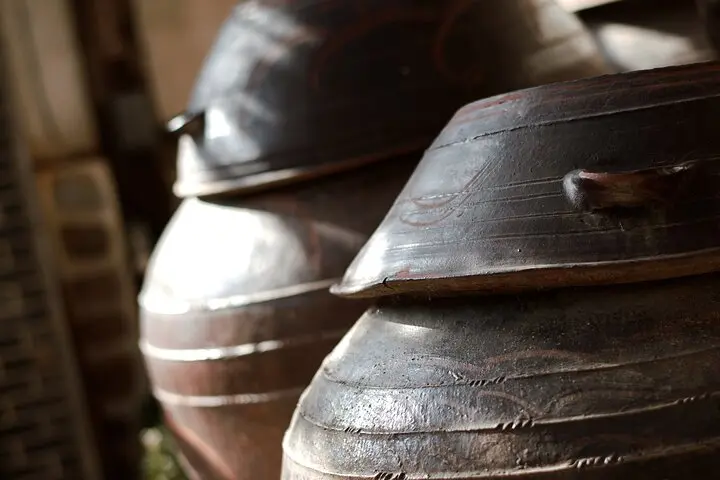
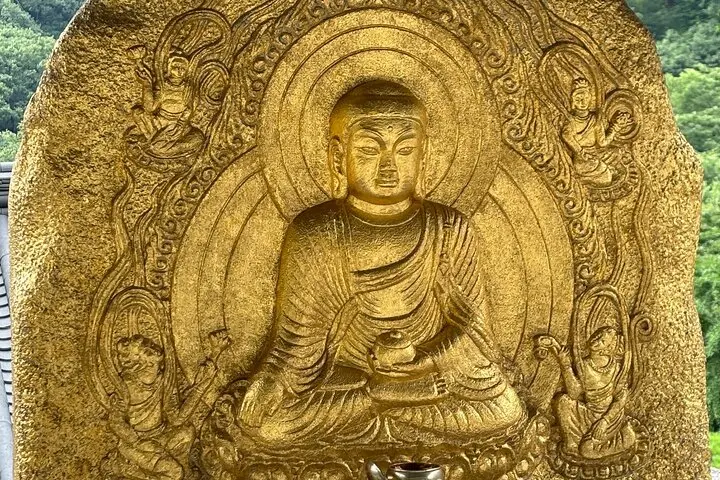
Gyeonggi-do surrounds Seoul like a broad collar of farmland and low mountains. The jang tradition—soy sauce, doenjang and gochujang—has roots in local households where clay crocks age through seasons; taste here reflects salt, sun and long fermentation rather than flash techniques. Yongmunsa, the mountain temple on the route, sits on older granite slopes carved by streams; its wooden halls hold centuries of monastic practice and tea rituals that map Korea’s Buddhist passages.
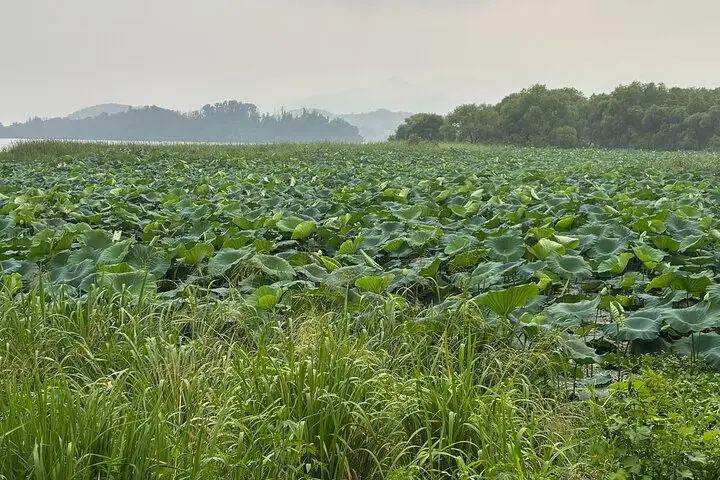
Expect hands-on time with a jang master, a lunch centered on fermented condiments and local produce, a temple tea that is calm and precise, and a restorative soak in a jjimjilbang-style spa before a cool naengmyeon dinner beside a lotus pond made familiar by K-dramas.
Practical notes: the day is long—about 13 hours—so wear comfortable walking shoes and layers for changing temperatures. Most stops are accessible but include some short steps at temple grounds; bring any dietary requests in advance. Carry cash for small purchases and a reusable water bottle to refill between sites. Timing the trip in spring or fall gives milder weather and better light for photos. This is a curated, low-impact cultural day designed for easy pacing and sensory detail—fermented aromas, wooden hall quiet, steam and cool noodles—if you want immersion without rush, this route delivers.
Most stops state wheelchair-accessible surfaces and transport is private, but some temple areas have steps—notify the operator in advance for specific accommodations.
Yes—the operator requests dietary needs when booking; traditional menus include fermented products and local ingredients, so advance notice is recommended.
Basic facilities provide soaps and towels at many spas, but you may prefer to bring your own toiletries and a towel for personal comfort.
Private transportation is included and returns you to the capital at the end of the day; confirm pick-up and drop-off points when booking.
Gastro Tour Seoul operates guided outdoor trips and adventures with an emphasis on safety, stewardship, and memorable experiences.
You step off the private vehicle and the city’s noise loosens; the road gives way to rice paddies and low forested ridges that seem to breathe. A slow day in Gyeonggi-do stretches ahead—fermented pots clinking in a jang workshop, the hush of a mountain temple, steam rising from a Korean spa, and a lotus pond murmuring under evening light.
You step off the private vehicle and the city’s noise loosens; the road gives way to rice paddies and low forested ridges that seem to breathe. A slow day in Gyeonggi-do stretches ahead—fermented pots clinking in a jang workshop, the hush of a mountain temple, steam rising from a Korean spa, and a lotus pond murmuring under evening light.
Gyeonggi-do surrounds Seoul like a broad collar of farmland and low mountains. The jang tradition—soy sauce, doenjang and gochujang—has roots in local households where clay crocks age through seasons; taste here reflects salt, sun and long fermentation rather than flash techniques. Yongmunsa, the mountain temple on the route, sits on older granite slopes carved by streams; its wooden halls hold centuries of monastic practice and tea rituals that map Korea’s Buddhist passages.
Expect hands-on time with a jang master, a lunch centered on fermented condiments and local produce, a temple tea that is calm and precise, and a restorative soak in a jjimjilbang-style spa before a cool naengmyeon dinner beside a lotus pond made familiar by K-dramas.
Practical notes: the day is long—about 13 hours—so wear comfortable walking shoes and layers for changing temperatures. Most stops are accessible but include some short steps at temple grounds; bring any dietary requests in advance. Carry cash for small purchases and a reusable water bottle to refill between sites. Timing the trip in spring or fall gives milder weather and better light for photos. This is a curated, low-impact cultural day designed for easy pacing and sensory detail—fermented aromas, wooden hall quiet, steam and cool noodles—if you want immersion without rush, this route delivers.