THE ADVENTURE COLLECTIVE® · Independent discovery and booking for outdoor travel

A four-hour guided tasting through Cape Town's diverse culinary influences — from Xhosa braai to Cape Malay curry — paired with stories of migration, markets, and local ingredients. Learn where dishes come from while sampling hearty, traditional plates.
A four-hour guided tasting through Cape Town's diverse culinary influences — from Xhosa braai to Cape Malay curry — paired with stories of migration, markets, and local ingredients. Learn where dishes come from while sampling hearty, traditional plates.
You step from a shaded street into the warm hum of Cape Town — the Atlantic breeze tugs at your jacket and the aroma of braai smoke and curry threads through the air. Over four hours you move between tasting stations and stories, sampling chapati and mandasi, a Cape Malay lamb curry, Xhosa braai meat, butter-bean curry, and a fish stew served with pap or rice. Each bite is anchored by local techniques and spices that carry histories of migration, trade and home cooking.
Verified experiences and guided adventures in the surrounding area.
Operated by Santacruise Tours · Cape Town, Western Cape
You step from a shaded street into the warm hum of Cape Town — the Atlantic breeze tugs at your jacket and the aroma of braai smoke and curry threads through the air. Over four hours you move between tasting stations and stories, sampling chapati and mandasi, a Cape Malay lamb curry, Xhosa braai meat, butter-bean curry, and a fish stew served with pap or rice. Each bite is anchored by local techniques and spices that carry histories of migration, trade and home cooking.
This route traces cultural crossroads: Cape Malay influences from 17th‑century arrivals, Xhosa braai traditions tied to communal gatherings, and East African flavors reflecting regional trade. Geology matters here too — Table Mountain’s granite and the cold Benguela current shape local seafood and the way villages cluster along sheltered coves.
Expect conversational storytelling from hosts who link dishes to family recipes and neighborhood markets. The food is straightforward and hearty — sugar beans and fried kale appear as familiar companions to stews, while rooibos and coffee close the meal with quiet warmth.
Practical guidance: the tour is a four‑hour, mostly flat walking experience with brief walks between venues; comfortable shoes and a reusable water bottle are essential. Bring advance notice of dietary needs; portions are generous but menu items are traditional and sometimes communal. Midday departures work best for light winds and full market tables. Support local vendors, ask where ingredients are sourced, and leave space for dessert — a cup of rooibos feels like a local benediction.
Yes — inform the operator when booking; hosts will often adjust courses or note ingredients, but availability depends on local suppliers.
Start and end locations vary by operator but are typically central Cape Town pickup points or a nearby meeting place; confirm the exact address on booking.
This private tour usually involves short walks; any longer transfers will be by air‑conditioned vehicle as specified by the operator.
Tipping is appreciated for guides and kitchen staff — around 10–15% of the tour cost or an equivalent per-person cash tip is common.
Santacruise Tours operates guided outdoor trips and adventures with an emphasis on safety, stewardship, and memorable experiences.
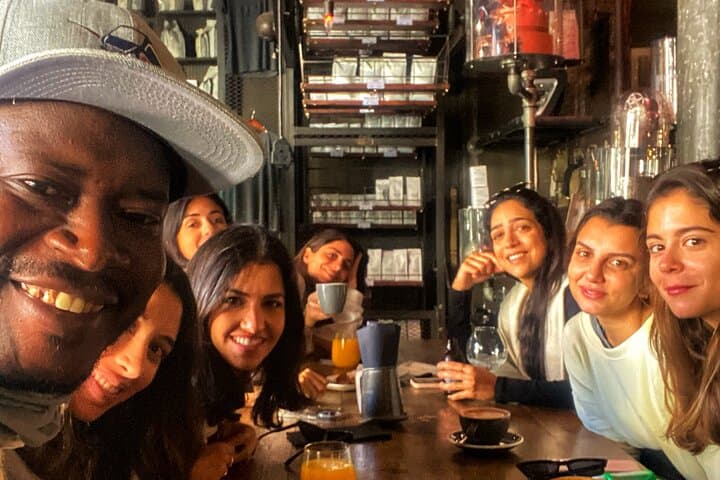
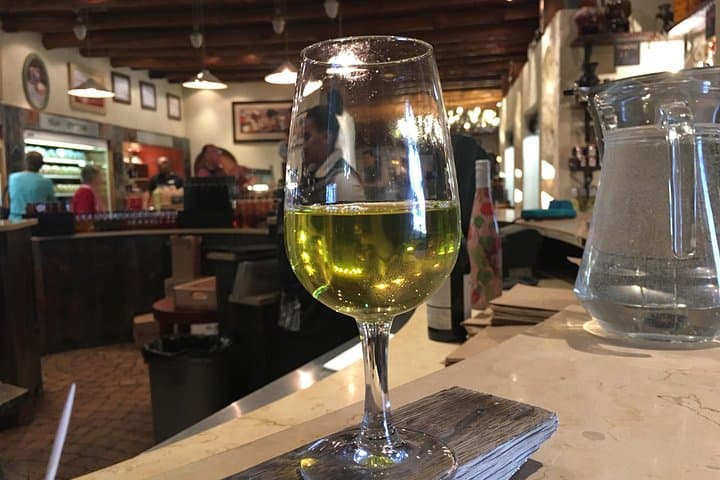
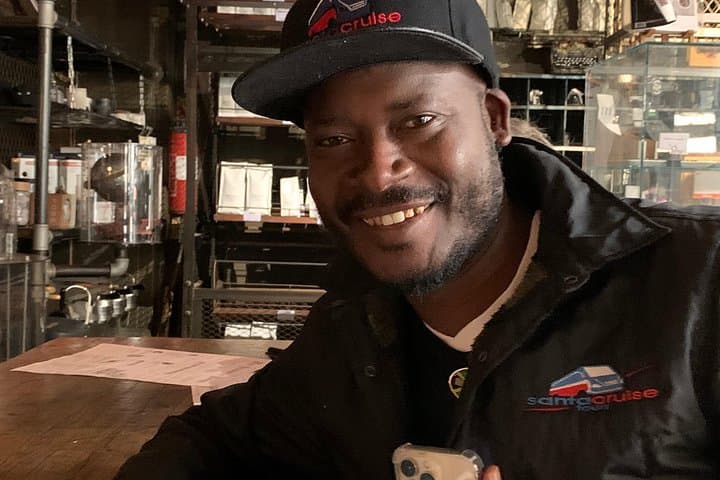
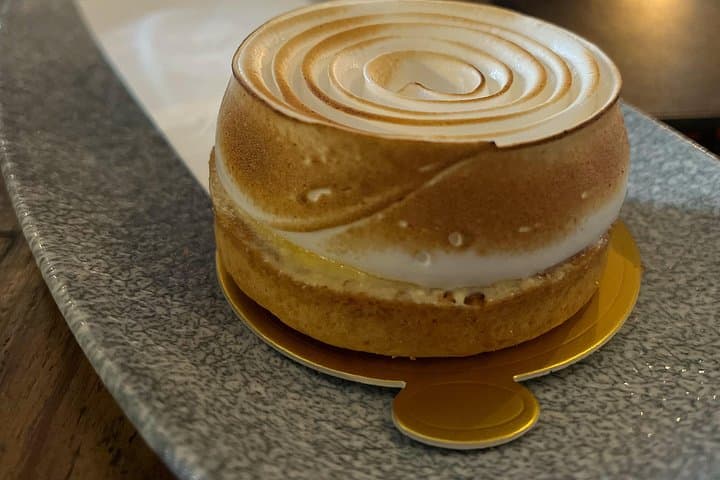
You step from a shaded street into the warm hum of Cape Town — the Atlantic breeze tugs at your jacket and the aroma of braai smoke and curry threads through the air. Over four hours you move between tasting stations and stories, sampling chapati and mandasi, a Cape Malay lamb curry, Xhosa braai meat, butter-bean curry, and a fish stew served with pap or rice. Each bite is anchored by local techniques and spices that carry histories of migration, trade and home cooking.
You step from a shaded street into the warm hum of Cape Town — the Atlantic breeze tugs at your jacket and the aroma of braai smoke and curry threads through the air. Over four hours you move between tasting stations and stories, sampling chapati and mandasi, a Cape Malay lamb curry, Xhosa braai meat, butter-bean curry, and a fish stew served with pap or rice. Each bite is anchored by local techniques and spices that carry histories of migration, trade and home cooking.
This route traces cultural crossroads: Cape Malay influences from 17th‑century arrivals, Xhosa braai traditions tied to communal gatherings, and East African flavors reflecting regional trade. Geology matters here too — Table Mountain’s granite and the cold Benguela current shape local seafood and the way villages cluster along sheltered coves.
Expect conversational storytelling from hosts who link dishes to family recipes and neighborhood markets. The food is straightforward and hearty — sugar beans and fried kale appear as familiar companions to stews, while rooibos and coffee close the meal with quiet warmth.
Practical guidance: the tour is a four‑hour, mostly flat walking experience with brief walks between venues; comfortable shoes and a reusable water bottle are essential. Bring advance notice of dietary needs; portions are generous but menu items are traditional and sometimes communal. Midday departures work best for light winds and full market tables. Support local vendors, ask where ingredients are sourced, and leave space for dessert — a cup of rooibos feels like a local benediction.