THE ADVENTURE COLLECTIVE® · Independent discovery and booking for outdoor travel

Walk Amsterdam’s historic canals while tasting five classic stops—fish stalls, cafés and market bites—guided by local stories of trade and flavor. This three‑hour small‑group tour pairs food with history and is suitable for most dietary needs.
Walk Amsterdam’s historic canals while tasting five classic stops—fish stalls, cafés and market bites—guided by local stories of trade and flavor. This three‑hour small‑group tour pairs food with history and is suitable for most dietary needs.
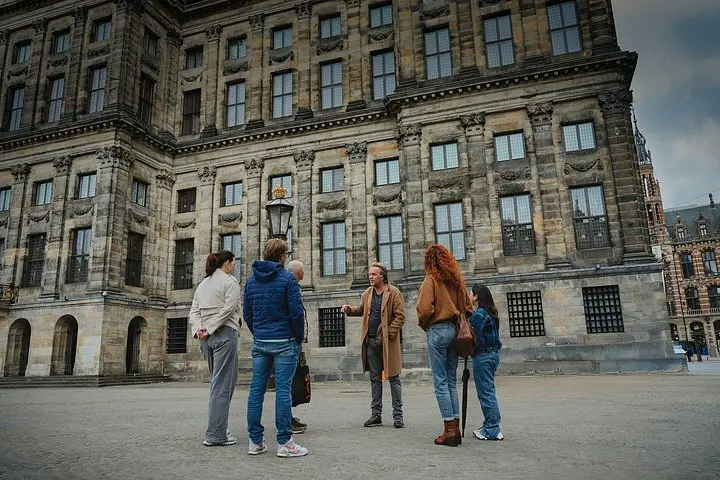
The tour begins on a cobbled street by a canal, the air threaded with the salty tang of herring and the warm, yeasty promise of fresh stroopwafels. As you walk, the guide points out a 17th‑century gable and a narrow doorway where a cocoa merchant once traded—small details that make each tasting a chapter of the city's life.
Verified experiences and guided adventures in the surrounding area.
Operated by Dutch Food Tours with local guide and tastings · Amsterdam, North Holland
The tour begins on a cobbled street by a canal, the air threaded with the salty tang of herring and the warm, yeasty promise of fresh stroopwafels. As you walk, the guide points out a 17th‑century gable and a narrow doorway where a cocoa merchant once traded—small details that make each tasting a chapter of the city's life.
Amsterdam’s food story is rooted in maritime trade, colonial spice routes and a pragmatic Dutch approach to preservation. Expect to sample five stops across roughly three hours—four sit‑down tastings and one busy fish stall—while learning how ingredients from the Golden Age reshaped local plates. The city’s low, peat‑rich geology and network of canals shaped neighborhoods and food markets; markets sprang up where barges could unload, and today those stalls still sell salt‑cured fish and rye bread.
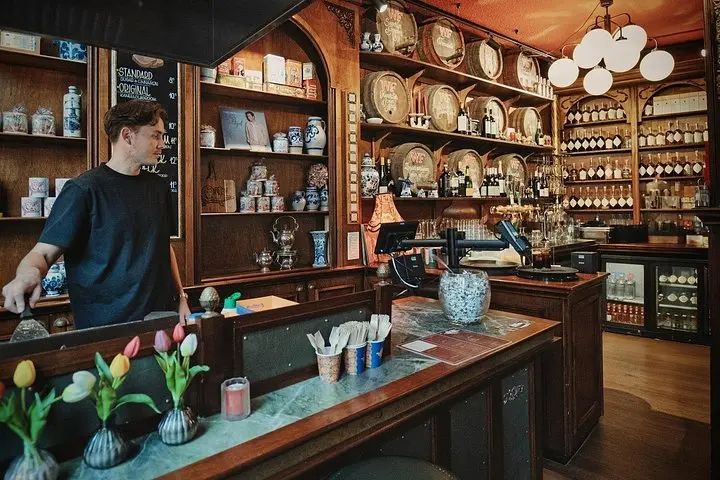
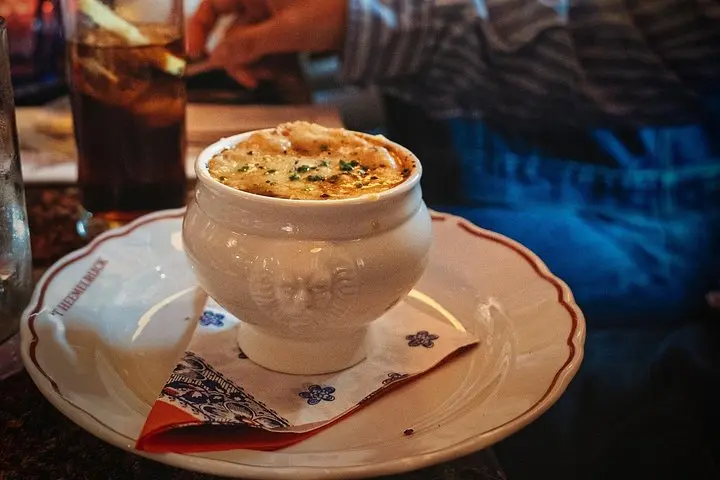
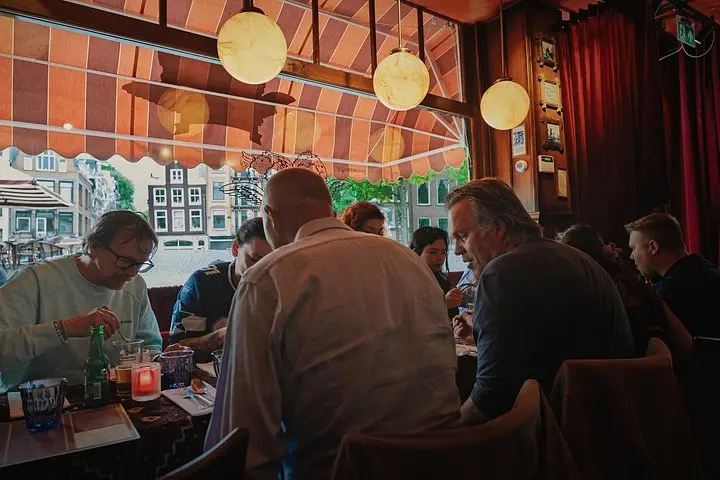
This is as much cultural history as it is a meal: the guide connects bites to art, tolerance, and immigrant influences that built Amsterdam’s diverse cuisine. Small groups (up to 15) keep conversation personal and questions welcome; dietary needs are accommodated when noted in advance.
Practical note: the route is mostly flat paved streets but can include narrow uneven alleys and occasional stairs in cafés. Wear comfortable walking shoes, bring a light rain layer and carry a small wallet for incidental purchases at market stalls. Start mid‑morning to avoid peak crowds and leave room for an after‑tour stroll along quieter canals—perfect for digesting both food and stories.
The itinerary includes five tastings—four at restaurants or cafés and one at a fish stall—spread over the three‑hour walk.
Yes; the tour is family‑friendly and infant seats are available, but check menu items and portion sizes if booking for young children.
Yes—vegetarian and other dietary preferences can be accommodated if you provide details when booking.
Expect light walking around 2–3 miles across mostly flat, paved streets with occasional stairs into venues.
Dutch Food Tours with local guide and tastings operates guided outdoor trips and adventures with an emphasis on safety, stewardship, and memorable experiences.
The tour begins on a cobbled street by a canal, the air threaded with the salty tang of herring and the warm, yeasty promise of fresh stroopwafels. As you walk, the guide points out a 17th‑century gable and a narrow doorway where a cocoa merchant once traded—small details that make each tasting a chapter of the city's life.
The tour begins on a cobbled street by a canal, the air threaded with the salty tang of herring and the warm, yeasty promise of fresh stroopwafels. As you walk, the guide points out a 17th‑century gable and a narrow doorway where a cocoa merchant once traded—small details that make each tasting a chapter of the city's life.
Amsterdam’s food story is rooted in maritime trade, colonial spice routes and a pragmatic Dutch approach to preservation. Expect to sample five stops across roughly three hours—four sit‑down tastings and one busy fish stall—while learning how ingredients from the Golden Age reshaped local plates. The city’s low, peat‑rich geology and network of canals shaped neighborhoods and food markets; markets sprang up where barges could unload, and today those stalls still sell salt‑cured fish and rye bread.
This is as much cultural history as it is a meal: the guide connects bites to art, tolerance, and immigrant influences that built Amsterdam’s diverse cuisine. Small groups (up to 15) keep conversation personal and questions welcome; dietary needs are accommodated when noted in advance.
Practical note: the route is mostly flat paved streets but can include narrow uneven alleys and occasional stairs in cafés. Wear comfortable walking shoes, bring a light rain layer and carry a small wallet for incidental purchases at market stalls. Start mid‑morning to avoid peak crowds and leave room for an after‑tour stroll along quieter canals—perfect for digesting both food and stories.