THE ADVENTURE COLLECTIVE® · Independent discovery and booking for outdoor travel

See Fiordland’s dramatic lakes, mountains and the Kepler Track from a helicopter in a brisk 20–25 minute flight out of Te Anau. This short air tour is a fast, photographic way to grasp the scale and geology of one of New Zealand’s wildest parks.
See Fiordland’s dramatic lakes, mountains and the Kepler Track from a helicopter in a brisk 20–25 minute flight out of Te Anau. This short air tour is a fast, photographic way to grasp the scale and geology of one of New Zealand’s wildest parks.
You step onto the tarmac at Te Anau Helicopters with the alpine air pinching your cheeks and the mountains already negotiating the horizon. The chopper's rotors quicken; a guide taps the headset, and for the next 20–25 minutes Fiordland opens up beneath you like a landscape being revealed in layers. Lakes—Manapouri then Te Anau—glint like cut glass, valleys fall away to narrow rivers that seem to have been carved by the weather itself, and the Kepler Track threads the hillsides as a pale line for those who know to look.
Verified experiences and guided adventures in the surrounding area.
Operated by Te Anau Helicopter Services · Te Anau, Southland
You step onto the tarmac at Te Anau Helicopters with the alpine air pinching your cheeks and the mountains already negotiating the horizon. The chopper's rotors quicken; a guide taps the headset, and for the next 20–25 minutes Fiordland opens up beneath you like a landscape being revealed in layers. Lakes—Manapouri then Te Anau—glint like cut glass, valleys fall away to narrow rivers that seem to have been carved by the weather itself, and the Kepler Track threads the hillsides as a pale line for those who know to look.
Fiordland is one of New Zealand’s most rugged corners—an ancient range shaped by glaciation and relentless rain. The region’s geology is visible from the air: hard, schist and granite summits, carved U-shaped valleys, and hanging valleys where waterfalls still dare the cliff edge. European exploration arrived late; Māori used these inland waters seasonally, while European surveyors and miners probed the region in the 19th century. From the helicopter, you see both that wild history and the practical routes—roads, tracks and tiny settlements—tucked into the landscape.
Culturally, this is land the Ngāi Tahu iwi know intimately; local guides will sometimes point out traditional mahinga kai (food-gathering) areas and explain how the landscape sustained communities. Wildlife is shy but present—keas can be sighted wheeling above ridgelines while seals dot distant fiords. Conservation is a constant theme here: Fiordland National Park is part of Te Wāhipounamu, a UNESCO World Heritage site, and flights are managed to minimize noise and disturbance, particularly around nesting seasons and marine mammal haul-outs.
Practically, this is one of the most efficient ways to absorb Fiordland's scale in a single outing. Bookings require a quick check-in at Te Anau Helicopters and a weather confirmation two hours before departure—conditions govern everything. Headsets are provided so your pilot-guide's narration is clear against the rotor wash. Expect hotel pickup 30–60 minutes before your slot if included in your booking; infants must sit on laps and the experience is wheelchair accessible.
For photography, shoot early for warmer light across the lakes, or aim for dramatic cloud-scattered afternoons that reveal texture in the ranges. Respect weight restrictions and the operator’s guidance when moving in and out of the aircraft. If the weather grounds flights, operators typically offer a refund or an alternate time; otherwise, plan to return with a camera full of wide, uncompromising views and a sharper sense of how the elements carved this extraordinary place.
The aerial time is approximately 20–25 minutes; allow extra time for check-in, safety briefings and transfers—plan on 1–2 hours total.
Flights are weather-dependent; call two hours before departure for a confirmation—if canceled you’ll be offered an alternative or a refund per the operator’s policy.
Yes—passenger weights are collected for aircraft weight-and-balance calculations; be honest when providing them at booking.
Infants must sit on an adult’s lap and the operator is wheelchair accessible; contact the operator for specific assistance needs.
This tour is a scenic flight that does not include landings in remote locations; it is a pass-by and observation experience from the air.
Yes—headsets are supplied so you can hear the pilot-guide clearly over rotor noise and enjoy commentary.
Te Anau Helicopter Services operates guided outdoor trips and adventures with an emphasis on safety, stewardship, and memorable experiences.
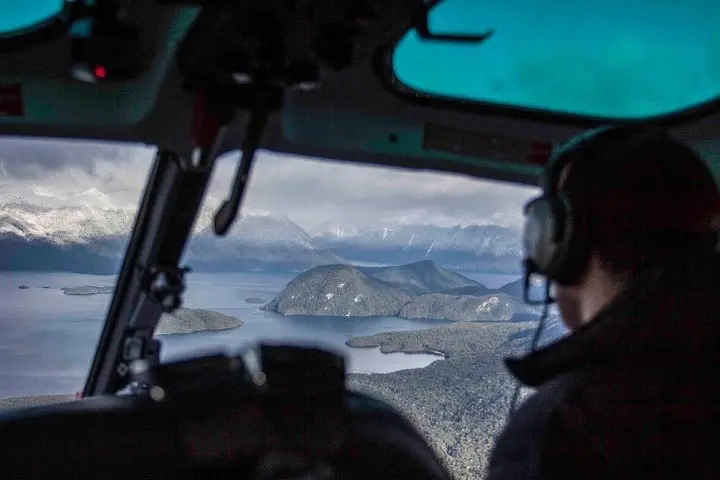
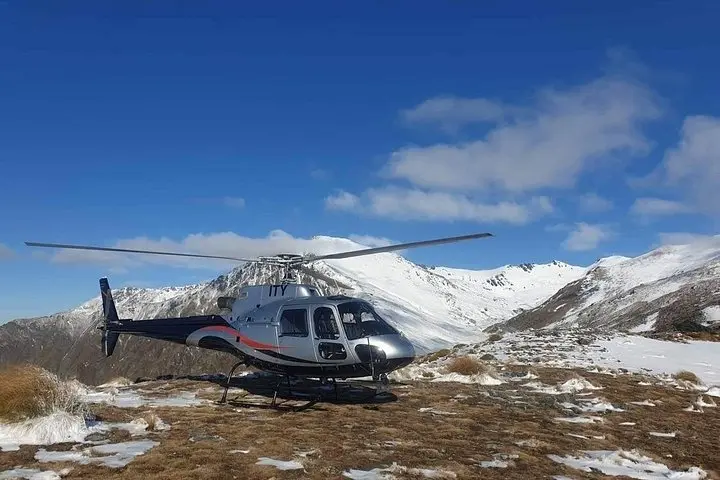
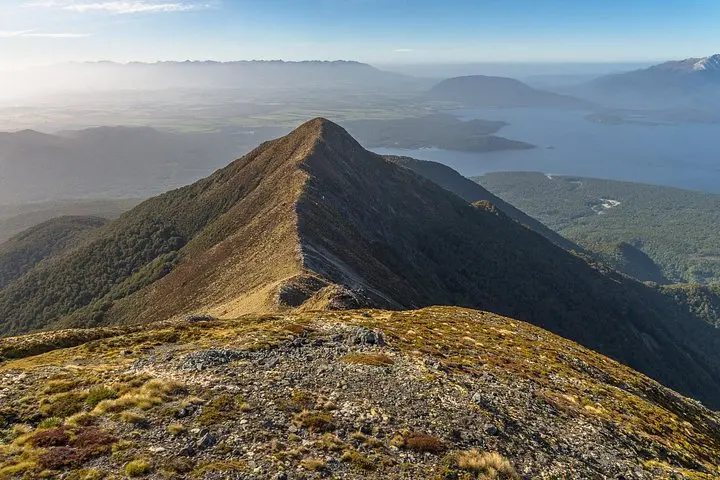
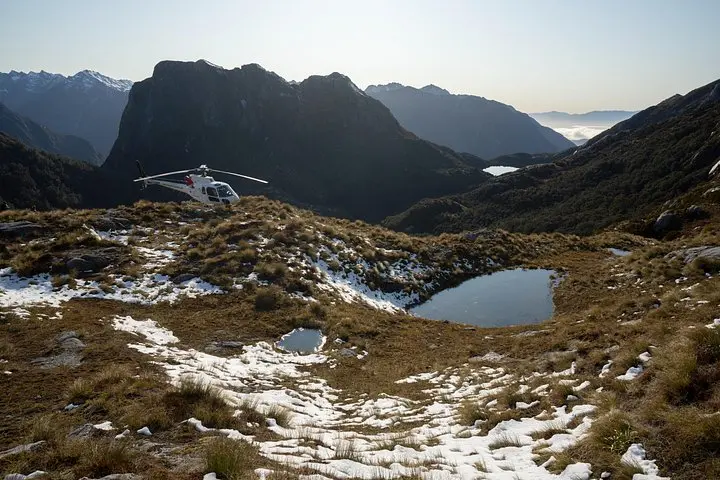
You step onto the tarmac at Te Anau Helicopters with the alpine air pinching your cheeks and the mountains already negotiating the horizon. The chopper's rotors quicken; a guide taps the headset, and for the next 20–25 minutes Fiordland opens up beneath you like a landscape being revealed in layers. Lakes—Manapouri then Te Anau—glint like cut glass, valleys fall away to narrow rivers that seem to have been carved by the weather itself, and the Kepler Track threads the hillsides as a pale line for those who know to look.
You step onto the tarmac at Te Anau Helicopters with the alpine air pinching your cheeks and the mountains already negotiating the horizon. The chopper's rotors quicken; a guide taps the headset, and for the next 20–25 minutes Fiordland opens up beneath you like a landscape being revealed in layers. Lakes—Manapouri then Te Anau—glint like cut glass, valleys fall away to narrow rivers that seem to have been carved by the weather itself, and the Kepler Track threads the hillsides as a pale line for those who know to look.
Fiordland is one of New Zealand’s most rugged corners—an ancient range shaped by glaciation and relentless rain. The region’s geology is visible from the air: hard, schist and granite summits, carved U-shaped valleys, and hanging valleys where waterfalls still dare the cliff edge. European exploration arrived late; Māori used these inland waters seasonally, while European surveyors and miners probed the region in the 19th century. From the helicopter, you see both that wild history and the practical routes—roads, tracks and tiny settlements—tucked into the landscape.
Culturally, this is land the Ngāi Tahu iwi know intimately; local guides will sometimes point out traditional mahinga kai (food-gathering) areas and explain how the landscape sustained communities. Wildlife is shy but present—keas can be sighted wheeling above ridgelines while seals dot distant fiords. Conservation is a constant theme here: Fiordland National Park is part of Te Wāhipounamu, a UNESCO World Heritage site, and flights are managed to minimize noise and disturbance, particularly around nesting seasons and marine mammal haul-outs.
Practically, this is one of the most efficient ways to absorb Fiordland's scale in a single outing. Bookings require a quick check-in at Te Anau Helicopters and a weather confirmation two hours before departure—conditions govern everything. Headsets are provided so your pilot-guide's narration is clear against the rotor wash. Expect hotel pickup 30–60 minutes before your slot if included in your booking; infants must sit on laps and the experience is wheelchair accessible.
For photography, shoot early for warmer light across the lakes, or aim for dramatic cloud-scattered afternoons that reveal texture in the ranges. Respect weight restrictions and the operator’s guidance when moving in and out of the aircraft. If the weather grounds flights, operators typically offer a refund or an alternate time; otherwise, plan to return with a camera full of wide, uncompromising views and a sharper sense of how the elements carved this extraordinary place.