THE ADVENTURE COLLECTIVE® · Independent discovery and booking for outdoor travel

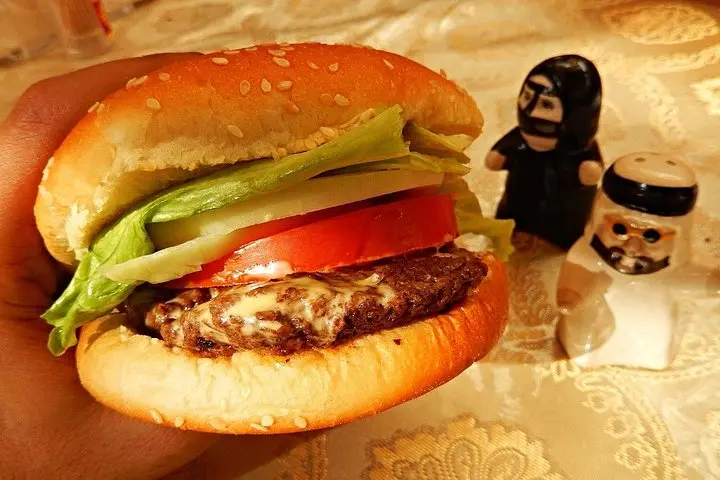
Explore Dubai’s historic Creek by abra, haggle through the spice and textile souks, and sample a camel burger—an edible entry point into the emirate’s trading past. This 2–3 hour private tour pairs sensory markets with short cultural highlights.
Explore Dubai’s historic Creek by abra, haggle through the spice and textile souks, and sample a camel burger—an edible entry point into the emirate’s trading past. This 2–3 hour private tour pairs sensory markets with short cultural highlights.
The wooden abra nudges away from the stone quay and the creek breathes salt and spice as the guide points out narrow alleys where dhows once unloaded chests of pearls and frankincense. Walking through Deira and Bur Dubai, the city’s trade heart reveals stacked bolts of textile, mountains of saffron-colored turmeric, and the metallic glare of the Gold Souk — a working market that still rewards a practiced haggle.
Verified experiences and guided adventures in the surrounding area.
Operated by KEY 2 DESTINATIONS · Dubai, Dubai
The wooden abra nudges away from the stone quay and the creek breathes salt and spice as the guide points out narrow alleys where dhows once unloaded chests of pearls and frankincense. Walking through Deira and Bur Dubai, the city’s trade heart reveals stacked bolts of textile, mountains of saffron-colored turmeric, and the metallic glare of the Gold Souk — a working market that still rewards a practiced haggle.
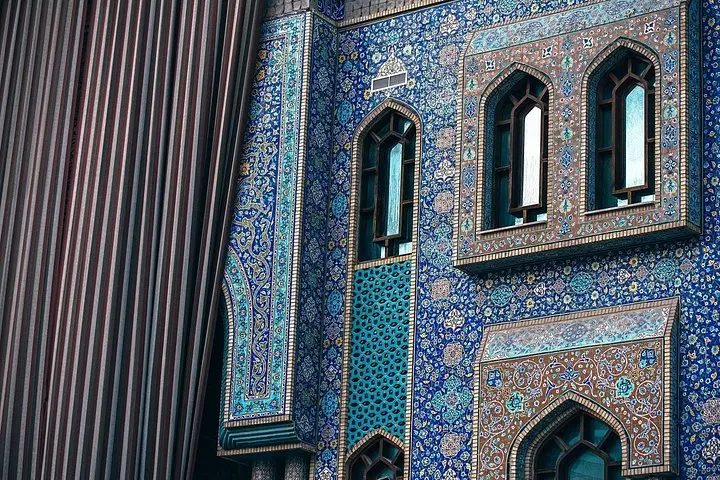
Dubai Creek carved a settlement into the sand centuries ago; its tidal channel was the town’s highway, linking pearling crews, Bedouin caravans and Indian merchants. That layered history is visible in wind-tower houses in Al Fahidi and the patchwork of trading communities that shaped cuisine and language. Geologically, the creek is a shallow estuary whose tidal pulse once set the rhythm of life here.
On this short private tour expect an abra ride, focussed stops in the textile and spice souks, a brisk visit to the gold market, and a culinary curiosity — a camel meat burger presented as a modern take on local protein traditions. The experience balances sensory overload with orderly logistics: bottled water is supplied, surfaces are level and the route is accessible.
Practical guidance: go in the cooler morning hours to avoid heat, bring small-denomination cash for bargains, dress modestly out of respect for local customs, and allow about 2–3 hours to move at an unhurried pace. The creek asks you to look closely — at craftsmanship, at cultural exchange, and at how a trading port evolved into a global city.
Yes—vendors and tour operators typically prepare camel meat to food-safety standards; ask about cooking method and sourcing if you have concerns.
This itinerary notes wheelchair accessibility for main areas and transportation, but narrow market alleys can be crowded—check specifics with the operator before booking.
Yes—stops at the spice, textile and gold souks include dedicated time for browsing, though very large purchases may require more time than the tour allows.
Most participants stay in central Dubai; public transport and taxis serve the Creek area. Confirm the exact meeting location and allow extra time for traffic.
KEY 2 DESTINATIONS operates guided outdoor trips and adventures with an emphasis on safety, stewardship, and memorable experiences.
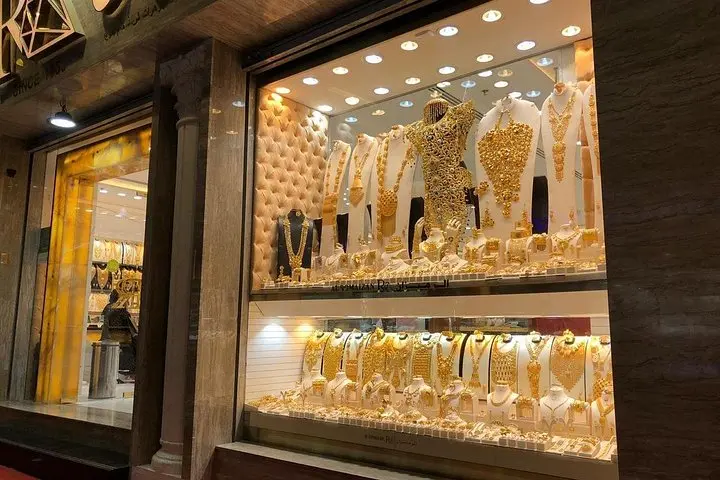
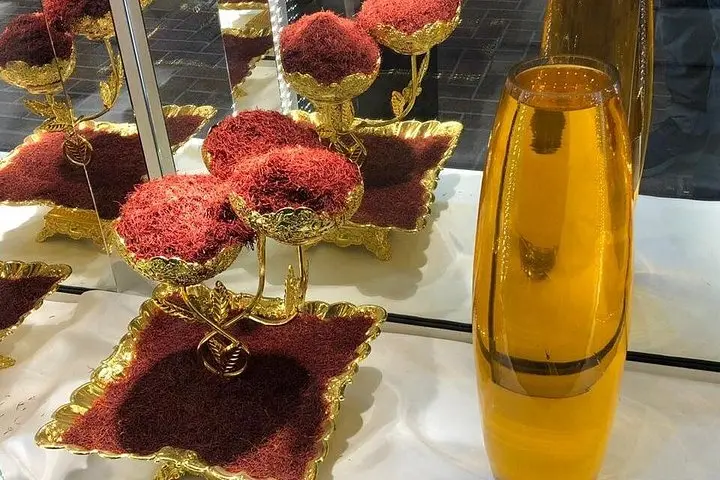
The wooden abra nudges away from the stone quay and the creek breathes salt and spice as the guide points out narrow alleys where dhows once unloaded chests of pearls and frankincense. Walking through Deira and Bur Dubai, the city’s trade heart reveals stacked bolts of textile, mountains of saffron-colored turmeric, and the metallic glare of the Gold Souk — a working market that still rewards a practiced haggle.
The wooden abra nudges away from the stone quay and the creek breathes salt and spice as the guide points out narrow alleys where dhows once unloaded chests of pearls and frankincense. Walking through Deira and Bur Dubai, the city’s trade heart reveals stacked bolts of textile, mountains of saffron-colored turmeric, and the metallic glare of the Gold Souk — a working market that still rewards a practiced haggle.
Dubai Creek carved a settlement into the sand centuries ago; its tidal channel was the town’s highway, linking pearling crews, Bedouin caravans and Indian merchants. That layered history is visible in wind-tower houses in Al Fahidi and the patchwork of trading communities that shaped cuisine and language. Geologically, the creek is a shallow estuary whose tidal pulse once set the rhythm of life here.
On this short private tour expect an abra ride, focussed stops in the textile and spice souks, a brisk visit to the gold market, and a culinary curiosity — a camel meat burger presented as a modern take on local protein traditions. The experience balances sensory overload with orderly logistics: bottled water is supplied, surfaces are level and the route is accessible.
Practical guidance: go in the cooler morning hours to avoid heat, bring small-denomination cash for bargains, dress modestly out of respect for local customs, and allow about 2–3 hours to move at an unhurried pace. The creek asks you to look closely — at craftsmanship, at cultural exchange, and at how a trading port evolved into a global city.