THE ADVENTURE COLLECTIVE® · Independent discovery and booking for outdoor travel

Walk two miles through St. Louis’ Central West End with a native historian, sampling 4–6 local bites while tracing the neighborhood’s Gilded Age glamour and the social history around Delmar Boulevard. This accessible, 3-hour tour blends food and civic storytelling for a compact urban immersion.
Walk two miles through St. Louis’ Central West End with a native historian, sampling 4–6 local bites while tracing the neighborhood’s Gilded Age glamour and the social history around Delmar Boulevard. This accessible, 3-hour tour blends food and civic storytelling for a compact urban immersion.
A late-afternoon stroll through St. Louis’ Central West End feels like stepping between two eras: maple-shaded sidewalks guide you past Gilded Age mansions while the distant hum of the city reminds you this neighborhood is alive and changing.
Verified experiences and guided adventures in the surrounding area.
Operated by TourCWE · St. Louis, Missouri
A late-afternoon stroll through St. Louis’ Central West End feels like stepping between two eras: maple-shaded sidewalks guide you past Gilded Age mansions while the distant hum of the city reminds you this neighborhood is alive and changing.
On this 2-mile, three-hour walk a local historian leads groups through grand hotels, neighborhood bistros, and landmark music venues, pairing 4–6 small bites with concise, candid storytelling. Expect stops at a long-running brewpub near Writer’s Corner, century-old mansions tied to brewing dynasties, and a quietly impressive church that marks the area’s 19th-century European roots. Guides connect those sites to larger arcs — the 1904 World’s Fair that crowned St. Louis as a national stage and the Delmar Divide that still shapes urban inequity within sight of local opulence.
Geology and urban form are visible in the limestone facades and tree-lined boulevards carved from the riverside plain; cultural layers show in parish churches, jazz venues, and neighborhood bistros that kept the area vibrant across generations.
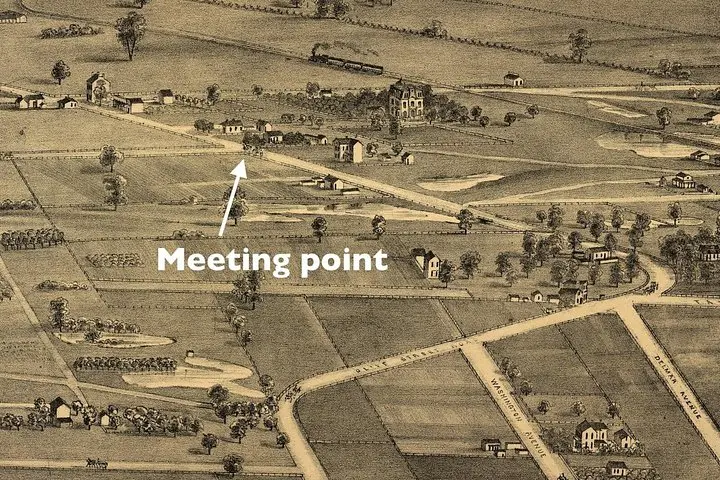
Practical guidance: wear supportive walking shoes for mostly paved sidewalks, bring a light layer for unpredictable spring or fall weather, and pace yourself through snack stops so you can sample everything. Tours are wheelchair- and stroller-accessible and suitable for most fitness levels, but the route includes short blocks of standing and walking between tastings. Bring a refillable bottle—the guide provides bottled water—and arrive 10 minutes early to meet at the designated brewpub. This walk is as much urban anthropology as it is a tasting tour: you’ll leave with a clearer map of St. Louis’ past and a handful of local flavors to prove it.
Yes—meeting point, sidewalks, and most stops are accessible; notify the operator when booking for assistance.
You’ll sample 4–6 small bites from neighborhood favorites; plan for a light additional meal depending on appetite.
Yes—book ahead; tours have limited capacity (up to 15) and can sell out, especially on weekends.
Yes—guides discuss race, segregation, and the Delmar Divide with a trigger warning; content is factual and contextualized.
TourCWE operates guided outdoor trips and adventures with an emphasis on safety, stewardship, and memorable experiences.


A late-afternoon stroll through St. Louis’ Central West End feels like stepping between two eras: maple-shaded sidewalks guide you past Gilded Age mansions while the distant hum of the city reminds you this neighborhood is alive and changing.
A late-afternoon stroll through St. Louis’ Central West End feels like stepping between two eras: maple-shaded sidewalks guide you past Gilded Age mansions while the distant hum of the city reminds you this neighborhood is alive and changing.
On this 2-mile, three-hour walk a local historian leads groups through grand hotels, neighborhood bistros, and landmark music venues, pairing 4–6 small bites with concise, candid storytelling. Expect stops at a long-running brewpub near Writer’s Corner, century-old mansions tied to brewing dynasties, and a quietly impressive church that marks the area’s 19th-century European roots. Guides connect those sites to larger arcs — the 1904 World’s Fair that crowned St. Louis as a national stage and the Delmar Divide that still shapes urban inequity within sight of local opulence.
Geology and urban form are visible in the limestone facades and tree-lined boulevards carved from the riverside plain; cultural layers show in parish churches, jazz venues, and neighborhood bistros that kept the area vibrant across generations.
Practical guidance: wear supportive walking shoes for mostly paved sidewalks, bring a light layer for unpredictable spring or fall weather, and pace yourself through snack stops so you can sample everything. Tours are wheelchair- and stroller-accessible and suitable for most fitness levels, but the route includes short blocks of standing and walking between tastings. Bring a refillable bottle—the guide provides bottled water—and arrive 10 minutes early to meet at the designated brewpub. This walk is as much urban anthropology as it is a tasting tour: you’ll leave with a clearer map of St. Louis’ past and a handful of local flavors to prove it.