THE ADVENTURE COLLECTIVE® · Independent discovery and booking for outdoor travel

Walk Pula’s market lanes, taste award-winning olive oil and sample Istrian ham and wines with a local guide. This 4–5 hour culinary tour combines hands-on tastings with contextual history and a visit to an EVOO museum.
Walk Pula’s market lanes, taste award-winning olive oil and sample Istrian ham and wines with a local guide. This 4–5 hour culinary tour combines hands-on tastings with contextual history and a visit to an EVOO museum.
You step off the cobbled street into a warm Adriatic breeze that threads through Pula’s old town, carrying the sharp scent of citrus and frying bread. The guide leads you toward a compact farmers’ market where stalls brim with hand-milked goat cheeses, cured Istrian ham, and jars of oil glinting gold like trapped sunlight.
Verified experiences and guided adventures in the surrounding area.
Operated by Wines Unknown tour · Pula, Istria
You step off the cobbled street into a warm Adriatic breeze that threads through Pula’s old town, carrying the sharp scent of citrus and frying bread. The guide leads you toward a compact farmers’ market where stalls brim with hand-milked goat cheeses, cured Istrian ham, and jars of oil glinting gold like trapped sunlight.
Pula’s story is written in stone — a Roman amphitheater from the 1st century AD anchors the city’s skyline — but its food traditions are more recent, a blend of Mediterranean fishing villages and hinterland hill farms. Geologically, Istria’s karst limestone soils give olive trees and vines a mineral backbone; culturally, food is a social language here, shared slowly over wine and conversation.
This walk moves from market stalls to a small wine bar in a narrow lane, then on to an EVOO museum for a guided tasting that explains cold-pressing, acidity, and tasting technique. Expect sensory drills: how olive oil textures coat the palate, why Istrian prosciutto is salt-cured and air-aged, and how local Malvasia and Teran wines balance with fatty cheeses.
Practicalities are straightforward: the route is mostly flat, on stone streets — wear sturdy shoes and bring sunscreen. The tour runs about 4–5 hours with multiple tasting stops and small group sizes that allow questions. It’s ideal for curious eaters who want local context as much as flavors: a concise culinary primer on Pula and the agricultural economy that sustains it.
Meeting is usually in central Pula near the main market or a prearranged landmark in the old town — exact details are provided with booking.
Yes — the museum ticket and guided tasting are included as part of the itinerary.
Many central streets are accessible, and the operator notes wheelchair and stroller accessibility, but contact the provider in advance to confirm specific needs.
Yes — vendors at the market and the wine bar sell products; bring cash or card, and check customs rules for exporting food items.
Wines Unknown tour operates guided outdoor trips and adventures with an emphasis on safety, stewardship, and memorable experiences.
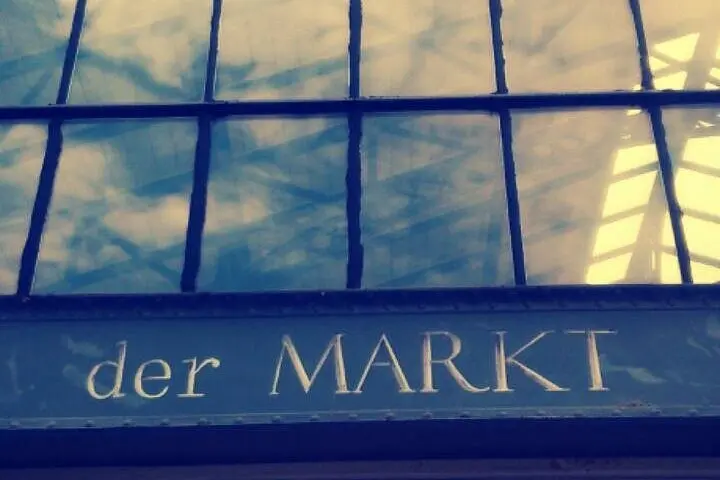
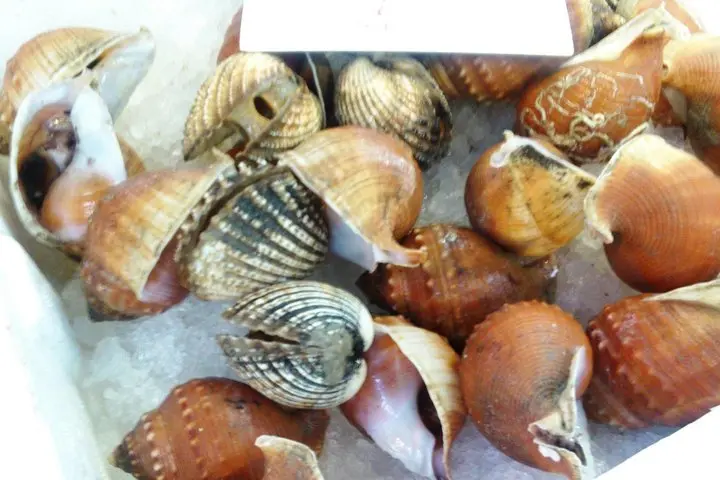
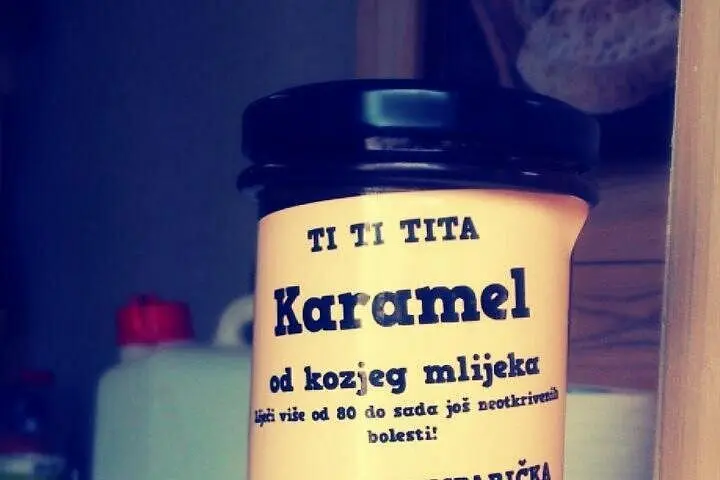
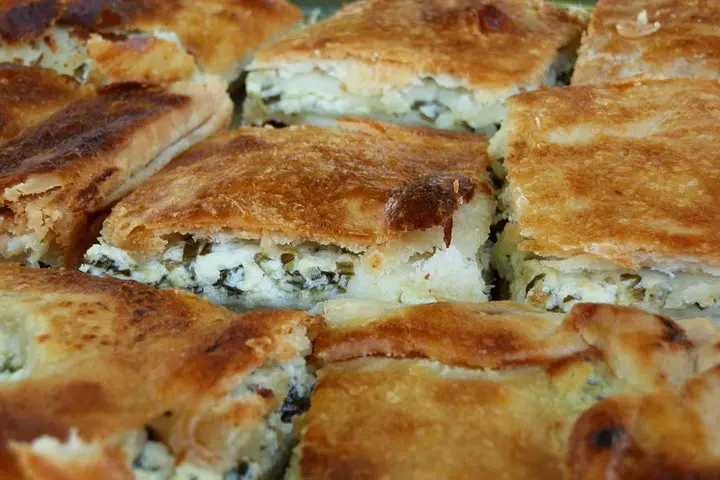
You step off the cobbled street into a warm Adriatic breeze that threads through Pula’s old town, carrying the sharp scent of citrus and frying bread. The guide leads you toward a compact farmers’ market where stalls brim with hand-milked goat cheeses, cured Istrian ham, and jars of oil glinting gold like trapped sunlight.
You step off the cobbled street into a warm Adriatic breeze that threads through Pula’s old town, carrying the sharp scent of citrus and frying bread. The guide leads you toward a compact farmers’ market where stalls brim with hand-milked goat cheeses, cured Istrian ham, and jars of oil glinting gold like trapped sunlight.
Pula’s story is written in stone — a Roman amphitheater from the 1st century AD anchors the city’s skyline — but its food traditions are more recent, a blend of Mediterranean fishing villages and hinterland hill farms. Geologically, Istria’s karst limestone soils give olive trees and vines a mineral backbone; culturally, food is a social language here, shared slowly over wine and conversation.
This walk moves from market stalls to a small wine bar in a narrow lane, then on to an EVOO museum for a guided tasting that explains cold-pressing, acidity, and tasting technique. Expect sensory drills: how olive oil textures coat the palate, why Istrian prosciutto is salt-cured and air-aged, and how local Malvasia and Teran wines balance with fatty cheeses.
Practicalities are straightforward: the route is mostly flat, on stone streets — wear sturdy shoes and bring sunscreen. The tour runs about 4–5 hours with multiple tasting stops and small group sizes that allow questions. It’s ideal for curious eaters who want local context as much as flavors: a concise culinary primer on Pula and the agricultural economy that sustains it.