THE ADVENTURE COLLECTIVE® · Independent discovery and booking for outdoor travel

Walk Rome’s oldest quarters with a guide who points out street food legends and hidden trattorie. Taste Jewish-Ghetto specialties, Roman pasta classics, and local wines across a four-hour culinary loop.
Walk Rome’s oldest quarters with a guide who points out street food legends and hidden trattorie. Taste Jewish-Ghetto specialties, Roman pasta classics, and local wines across a four-hour culinary loop.
Morning light slides across cobbled alleys as your guide leads you from Campo de' Fiori into the Jewish Ghetto and over the Tiber to Trastevere. Vendors set out bread and cheeses, and the city smells of frying oil and espresso—streets here push you forward like a current, each corner promising a new flavor.
Verified experiences and guided adventures in the surrounding area.
Operated by Attractions in Rome · Rome, Lazio
Morning light slides across cobbled alleys as your guide leads you from Campo de' Fiori into the Jewish Ghetto and over the Tiber to Trastevere. Vendors set out bread and cheeses, and the city smells of frying oil and espresso—streets here push you forward like a current, each corner promising a new flavor.
This walk threads through layers of Roman history: a Roman forum nearby, medieval Ghetto walls, and Trastevere’s medieval lanes once home to fishermen and boatmen. Geologically, the route traces travertine and tuff quarried from the region—stones that built Rome’s piazzas and support centuries of stories. Culturally, these neighborhoods are culinary crossroads where Jewish traditions and Roman cucina romana meet; expect dishes such as carciofi alla giudia (Jewish-style fried artichokes) and classic carbonara.
Practical guidance: the tour is four hours on foot over uneven pavements—comfortable shoes matter. Tastings range from fried street snacks and supplì to pasta and a focused wine tasting; portioning is generous but not a full meal. Communicate allergies when booking; minimum drinking age applies. Public transit and short walking transfers connect tasting stops, but expect narrow streets and occasional crowds.
Plan to hydrate, arrive hungry, and leave room for gelato. Timing matters—late morning or early evening tours avoid peak heat in summer and offer better table availability. This is a sensory, urban hike: history in the stones, rivalry in recipes, and flavors that make the city’s past taste immediate.
Yes if notified at booking; guides work with venues to provide vegetarian or vegan options, but availability varies by stop.
Most tours are offered in English and may offer private tours in other languages on request; confirm language at booking.
Starts near Campo de' Fiori—centrally accessible by tram or bus; exact meeting point provided on confirmation.
Tipping is appreciated but not mandatory; 5–10% or rounding up is common for food tours in Rome.
Attractions in Rome operates guided outdoor trips and adventures with an emphasis on safety, stewardship, and memorable experiences.



Morning light slides across cobbled alleys as your guide leads you from Campo de' Fiori into the Jewish Ghetto and over the Tiber to Trastevere. Vendors set out bread and cheeses, and the city smells of frying oil and espresso—streets here push you forward like a current, each corner promising a new flavor.
Morning light slides across cobbled alleys as your guide leads you from Campo de' Fiori into the Jewish Ghetto and over the Tiber to Trastevere. Vendors set out bread and cheeses, and the city smells of frying oil and espresso—streets here push you forward like a current, each corner promising a new flavor.
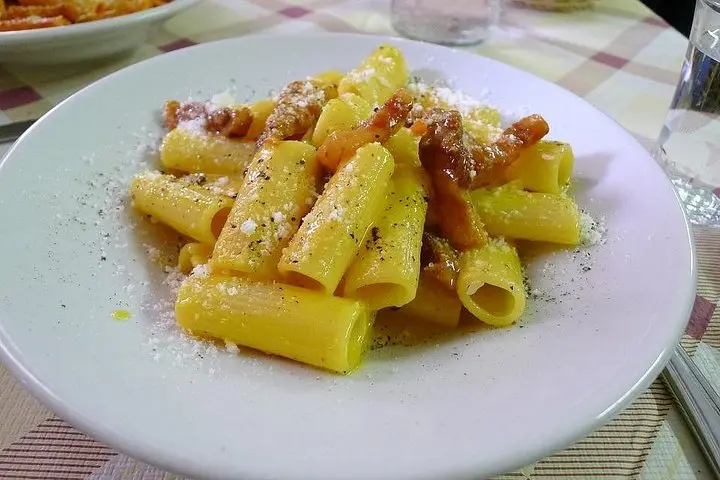
This walk threads through layers of Roman history: a Roman forum nearby, medieval Ghetto walls, and Trastevere’s medieval lanes once home to fishermen and boatmen. Geologically, the route traces travertine and tuff quarried from the region—stones that built Rome’s piazzas and support centuries of stories. Culturally, these neighborhoods are culinary crossroads where Jewish traditions and Roman cucina romana meet; expect dishes such as carciofi alla giudia (Jewish-style fried artichokes) and classic carbonara.
Practical guidance: the tour is four hours on foot over uneven pavements—comfortable shoes matter. Tastings range from fried street snacks and supplì to pasta and a focused wine tasting; portioning is generous but not a full meal. Communicate allergies when booking; minimum drinking age applies. Public transit and short walking transfers connect tasting stops, but expect narrow streets and occasional crowds.
Plan to hydrate, arrive hungry, and leave room for gelato. Timing matters—late morning or early evening tours avoid peak heat in summer and offer better table availability. This is a sensory, urban hike: history in the stones, rivalry in recipes, and flavors that make the city’s past taste immediate.