THE ADVENTURE COLLECTIVE® · Independent discovery and booking for outdoor travel

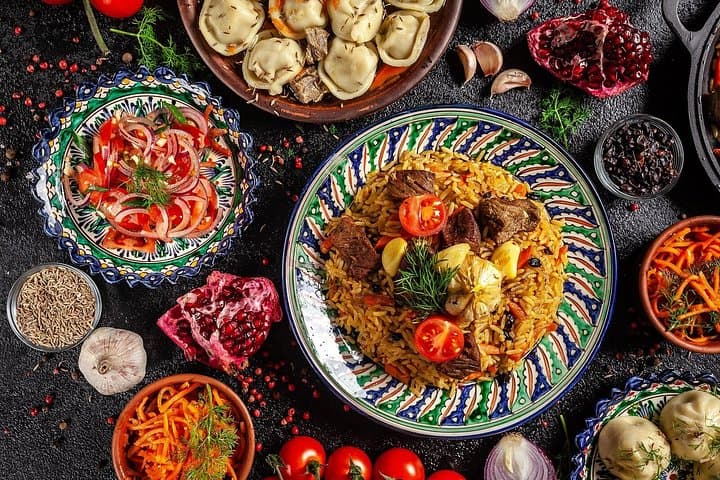
Walk through Chorsu Bazaar and family-run eateries to taste plov, manti, somsa, lagman, and shashlik while learning the stories behind Uzbekistan’s signature dishes. This 4-hour guided tour blends market wandering with sit-down local lunch.
Walk through Chorsu Bazaar and family-run eateries to taste plov, manti, somsa, lagman, and shashlik while learning the stories behind Uzbekistan’s signature dishes. This 4-hour guided tour blends market wandering with sit-down local lunch.
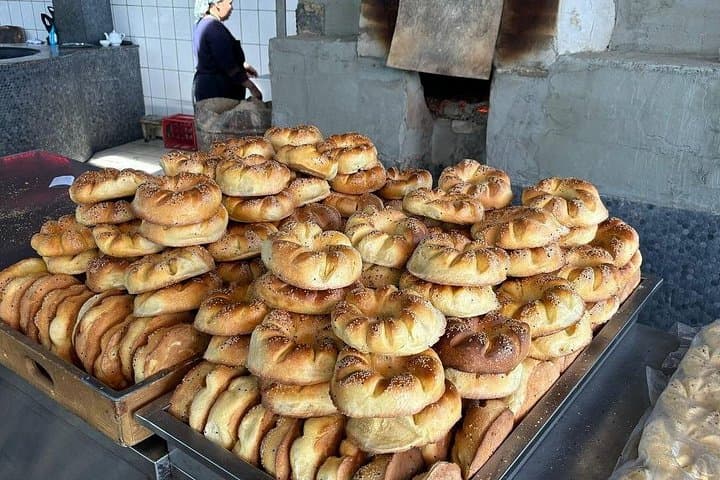
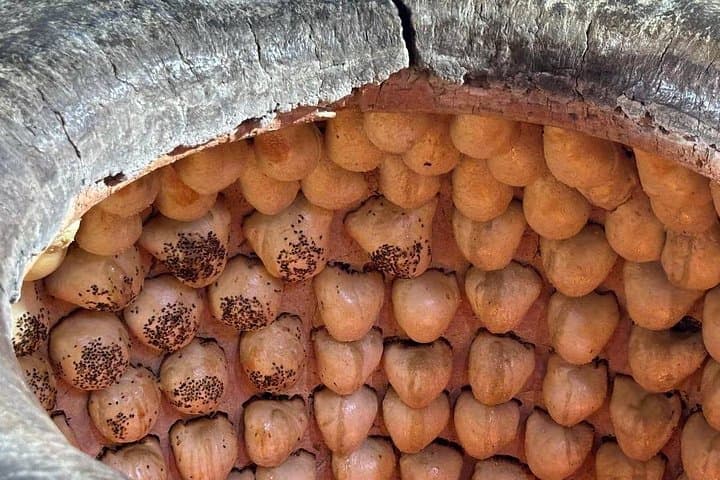
You step from a sunlit avenue into the dome-shadowed alleys of Chorsu Bazaar, where steam rises from tandoor ovens and cardamom and cumin argue with the sweet scent of dried apricots. The guide threads the group between stalls piled high with flatbreads and sacks of paprika, pausing to show how a perfectly layered somsa slips from the tandoor and how manti are stacked into the steaming mantovarka.
Verified experiences and guided adventures in the surrounding area.
Operated by GOTOUZBEKISTAN · Tashkent, Tashkent
You step from a sunlit avenue into the dome-shadowed alleys of Chorsu Bazaar, where steam rises from tandoor ovens and cardamom and cumin argue with the sweet scent of dried apricots. The guide threads the group between stalls piled high with flatbreads and sacks of paprika, pausing to show how a perfectly layered somsa slips from the tandoor and how manti are stacked into the steaming mantovarka.
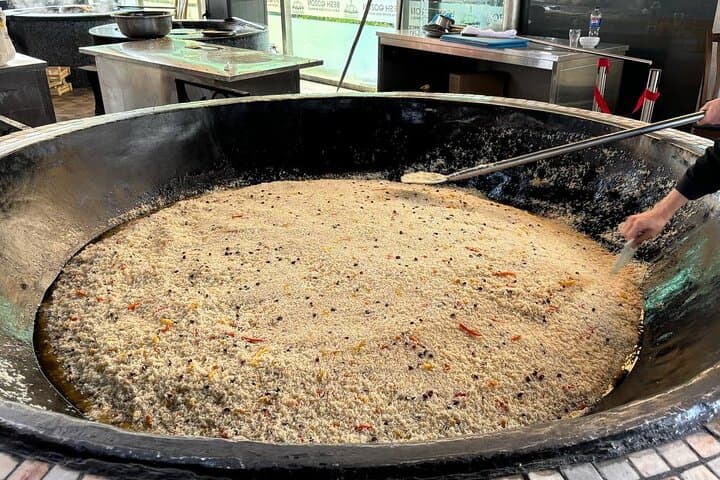
Tashkent’s foodways reflect a crossroads history: Silk Road traders, Persian and Turkic cooks, and Soviet-era cafeterias all left marks on the city’s palate. Geographically the capital sits on the Tashkent basin at the edge of the western foothills of the Tien Shan—fertile ground for the wheat, fruits, and lamb that define Uzbek dishes. Expect explanations of plov’s ceremonial role, the regional differences in lagman, and the social rituals of sharing tea and bread.
The tour balances storytelling with hands-on tasting: short walks across paved streets and market aisles, stops at family-run tea houses, and a sit-down plov lunch at a local center. Practical details: four hours, gentle walking (roughly 2–3 km total), and mostly flat surfaces with occasional crowded steps.
Bring local cash for small purchases, wear closed-toe shoes for market cobbles, and plan for seasonal heat or chill depending on the month. The guide usually covers bottled water and lunch, but arriving with dietary notes is smart. This is an urban sensory walk—equal parts history lesson, cooking primer, and street-food adventure.
Yes—tastings at multiple stops and a plov lunch at a local center are included; bottled water is provided.
Expect about 2–3 km of mostly flat walking across market aisles and streets with short stops.
Most dietary needs can be accommodated if you notify the operator ahead of time via the booking form.
The tour is family-friendly and listed as physically easy; infant seats and family accommodations can be requested when booking.
GOTOUZBEKISTAN operates guided outdoor trips and adventures with an emphasis on safety, stewardship, and memorable experiences.
You step from a sunlit avenue into the dome-shadowed alleys of Chorsu Bazaar, where steam rises from tandoor ovens and cardamom and cumin argue with the sweet scent of dried apricots. The guide threads the group between stalls piled high with flatbreads and sacks of paprika, pausing to show how a perfectly layered somsa slips from the tandoor and how manti are stacked into the steaming mantovarka.
You step from a sunlit avenue into the dome-shadowed alleys of Chorsu Bazaar, where steam rises from tandoor ovens and cardamom and cumin argue with the sweet scent of dried apricots. The guide threads the group between stalls piled high with flatbreads and sacks of paprika, pausing to show how a perfectly layered somsa slips from the tandoor and how manti are stacked into the steaming mantovarka.
Tashkent’s foodways reflect a crossroads history: Silk Road traders, Persian and Turkic cooks, and Soviet-era cafeterias all left marks on the city’s palate. Geographically the capital sits on the Tashkent basin at the edge of the western foothills of the Tien Shan—fertile ground for the wheat, fruits, and lamb that define Uzbek dishes. Expect explanations of plov’s ceremonial role, the regional differences in lagman, and the social rituals of sharing tea and bread.
The tour balances storytelling with hands-on tasting: short walks across paved streets and market aisles, stops at family-run tea houses, and a sit-down plov lunch at a local center. Practical details: four hours, gentle walking (roughly 2–3 km total), and mostly flat surfaces with occasional crowded steps.
Bring local cash for small purchases, wear closed-toe shoes for market cobbles, and plan for seasonal heat or chill depending on the month. The guide usually covers bottled water and lunch, but arriving with dietary notes is smart. This is an urban sensory walk—equal parts history lesson, cooking primer, and street-food adventure.