THE ADVENTURE COLLECTIVE® · Independent discovery and booking for outdoor travel

Walk two hours through South Philadelphia’s historic 9th Street Italian Market, sampling breads, cheeses and vinegar while guides layer immigrant history and culinary insight. This hands-on food tour pairs taste with local stories and practical tips for first-time visitors.
Walk two hours through South Philadelphia’s historic 9th Street Italian Market, sampling breads, cheeses and vinegar while guides layer immigrant history and culinary insight. This hands-on food tour pairs taste with local stories and practical tips for first-time visitors.
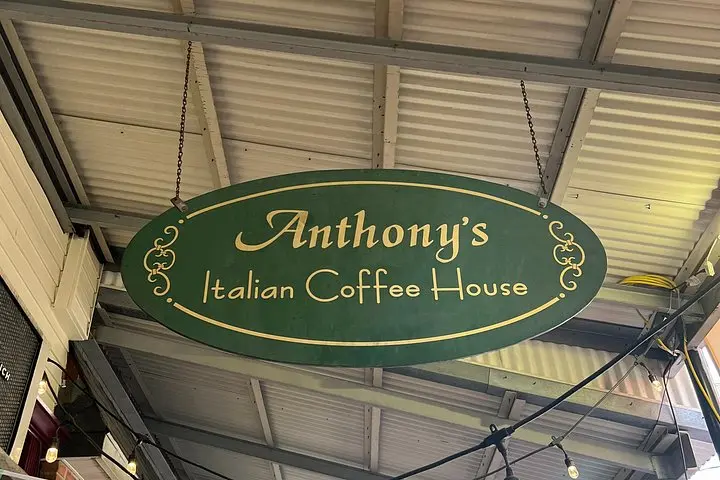
The tour begins on a busy South Philadelphia block where the smell of fresh bread and roasting coffee pulls you off the sidewalk.
Verified experiences and guided adventures in the surrounding area.
Operated by Top Dog Tours Inc. · Philadelphia, Pennsylvania
The tour begins on a busy South Philadelphia block where the smell of fresh bread and roasting coffee pulls you off the sidewalk.
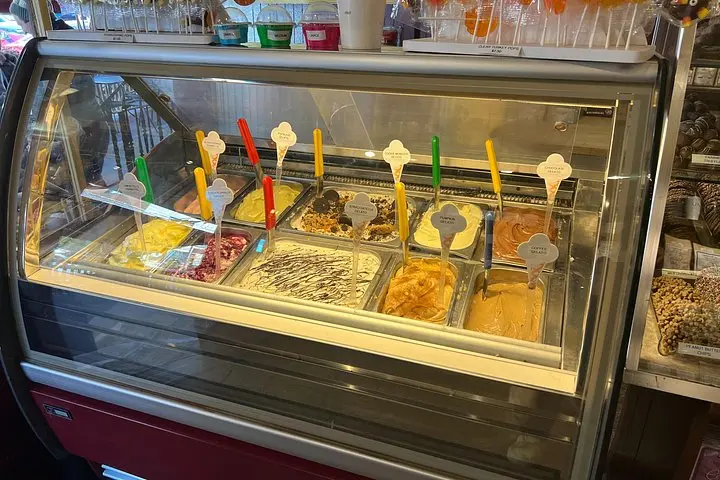
Stalls crowd a narrow street; vendors call prices in quick rhythm and the clack of crates and the rustle of paper wrap the group as the guide steers toward the first tasting. The scene is immediate and tactile — seeded loaves, marble slabs of cheese, a taproom pouring olive oil like a craft beverage.
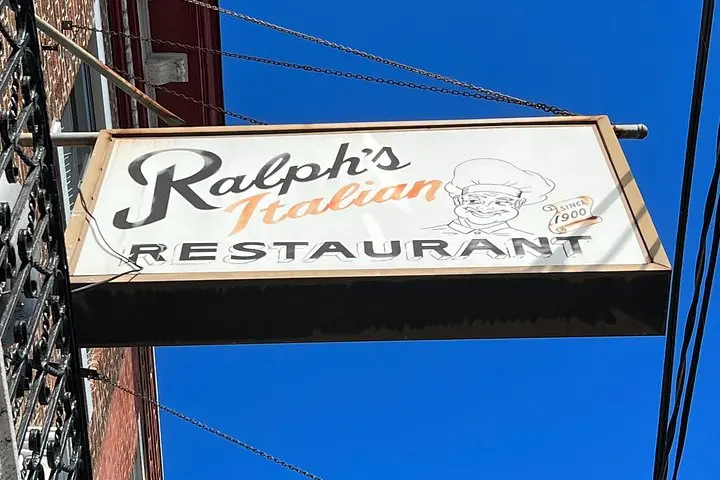
The Italian Market traces 150 years of immigration, a working-market built by generations of Italian, Irish and later Latinx and Asian entrepreneurs. The pavement tells a softer geological story: old brick storefronts, patched sidewalks and a street grid shaped by proximity to the Delaware River and the city's industrial past.
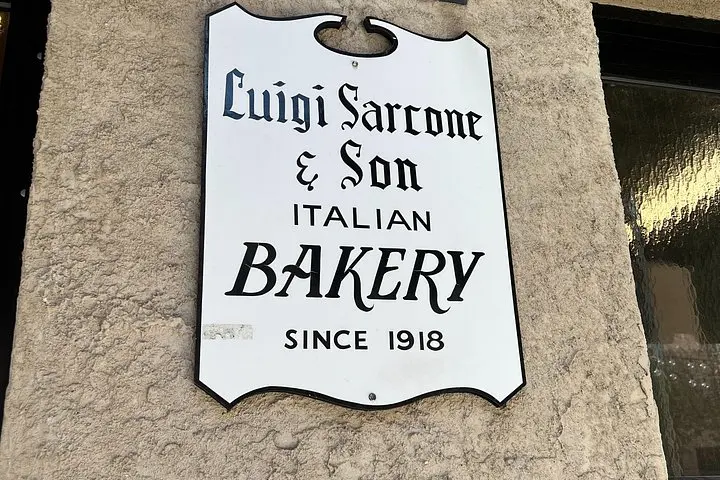
Cultural details arrive through food: a 3rd‑generation cheese counter that kept traditions alive, a bakery famous for its tomato pie, and vinegar tastings that reveal regional differences in acidity and age. Local anecdotes — family recipes, neighborhood rivalries, the rise of new businesses — give shape to the market's present.
Practical guidance follows as the tour winds three blocks at a walking pace: wear comfortable shoes, bring a small backpack for purchases, and budget time to linger at an independent counter. Midday heat concentrates crowds; morning slots are cooler and easier for photography.
This two‑hour stroll suits food lovers and history buffs alike, offering concentrated flavor with context — a chance to eat thoughtfully while learning how a neighborhood feeds a city.
Meet at the Rite Aid parking lot by the Palumbo’s sign; the tour finishes near Pat’s and Geno’s, two of Philly’s famous eateries.
Yes — the route is on sidewalks and listed as wheelchair and stroller accessible; contact the operator for specific accommodations.
Guides can note common allergens and point out vegetarian options, but full accommodation depends on vendor offerings—notify the operator when booking.
Cancel at least 24 hours in advance for a full refund; same‑day cancellations are typically nonrefundable.
Top Dog Tours Inc. operates guided outdoor trips and adventures with an emphasis on safety, stewardship, and memorable experiences.
The tour begins on a busy South Philadelphia block where the smell of fresh bread and roasting coffee pulls you off the sidewalk.
The tour begins on a busy South Philadelphia block where the smell of fresh bread and roasting coffee pulls you off the sidewalk.
Stalls crowd a narrow street; vendors call prices in quick rhythm and the clack of crates and the rustle of paper wrap the group as the guide steers toward the first tasting. The scene is immediate and tactile — seeded loaves, marble slabs of cheese, a taproom pouring olive oil like a craft beverage.
The Italian Market traces 150 years of immigration, a working-market built by generations of Italian, Irish and later Latinx and Asian entrepreneurs. The pavement tells a softer geological story: old brick storefronts, patched sidewalks and a street grid shaped by proximity to the Delaware River and the city's industrial past.
Cultural details arrive through food: a 3rd‑generation cheese counter that kept traditions alive, a bakery famous for its tomato pie, and vinegar tastings that reveal regional differences in acidity and age. Local anecdotes — family recipes, neighborhood rivalries, the rise of new businesses — give shape to the market's present.
Practical guidance follows as the tour winds three blocks at a walking pace: wear comfortable shoes, bring a small backpack for purchases, and budget time to linger at an independent counter. Midday heat concentrates crowds; morning slots are cooler and easier for photography.
This two‑hour stroll suits food lovers and history buffs alike, offering concentrated flavor with context — a chance to eat thoughtfully while learning how a neighborhood feeds a city.