THE ADVENTURE COLLECTIVE® · Independent discovery and booking for outdoor travel

Walk Anaheim’s Little Arabia on a three-hour guided tasting route that serves manakish, Yemeni mandi, Egyptian molokhia and modern kunafeh. This neighborhood tour mixes culinary history with hands-on cultural moments like learning to write your name in Arabic.
Walk Anaheim’s Little Arabia on a three-hour guided tasting route that serves manakish, Yemeni mandi, Egyptian molokhia and modern kunafeh. This neighborhood tour mixes culinary history with hands-on cultural moments like learning to write your name in Arabic.
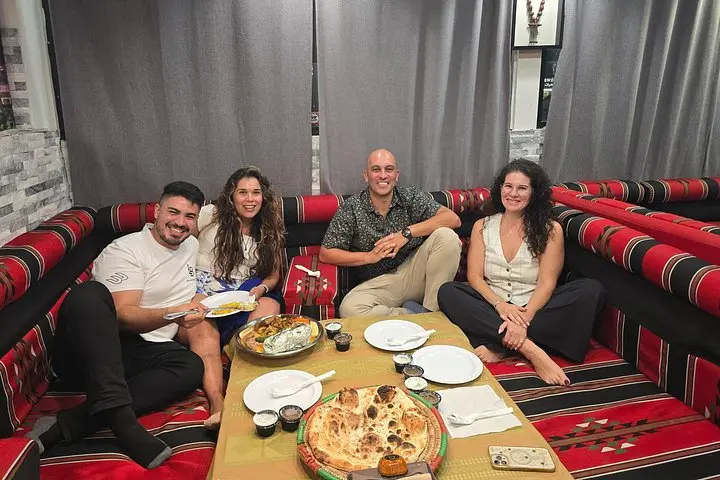
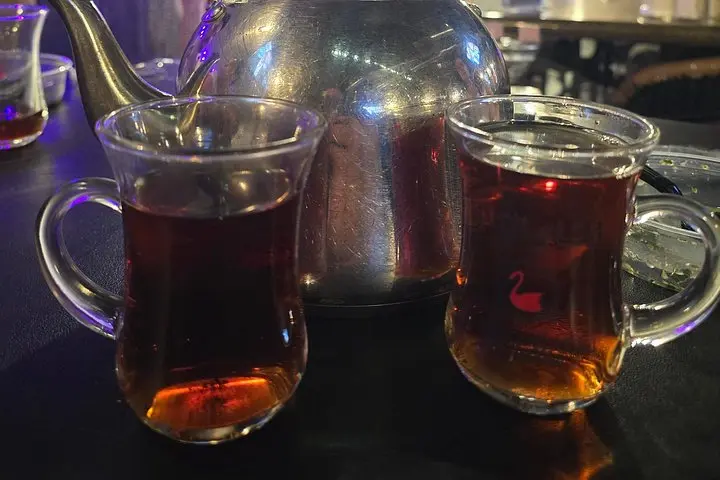
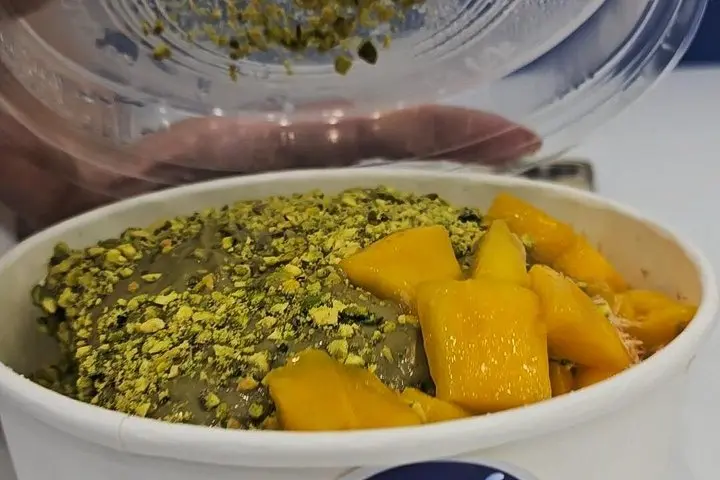
You step off Brookhurst Street into the warm press of spices and fresh-baked dough — bakeries open, steam rising from wood-fired ovens, and a guide pressing a za’atar-topped manakish into your hands. The neighborhood’s sidewalks carry the pulse of daily life: shopkeepers arranging trays of pistachio-topped sweets, the rhythmic clink of tea glasses, and the low hum of conversation in Arabic.
Verified experiences and guided adventures in the surrounding area.
Operated by Rafiki Tours · Anaheim, California
You step off Brookhurst Street into the warm press of spices and fresh-baked dough — bakeries open, steam rising from wood-fired ovens, and a guide pressing a za’atar-topped manakish into your hands. The neighborhood’s sidewalks carry the pulse of daily life: shopkeepers arranging trays of pistachio-topped sweets, the rhythmic clink of tea glasses, and the low hum of conversation in Arabic.
Anaheim’s Little Arabia grew with immigrant communities from the Levant, Yemen and Egypt, creating a compact corridor of authentic restaurants and markets. The walking route traces culinary traditions that span centuries — from Phoenician flatbreads and Levantine herb blends to Bedouin slow-roast methods like mandi and haneeth. Architecturally, the area is ordinary Orange County storefronts reimagined by signs, mosaics, and market displays that tell a story of cultural continuity rather than monumental history.
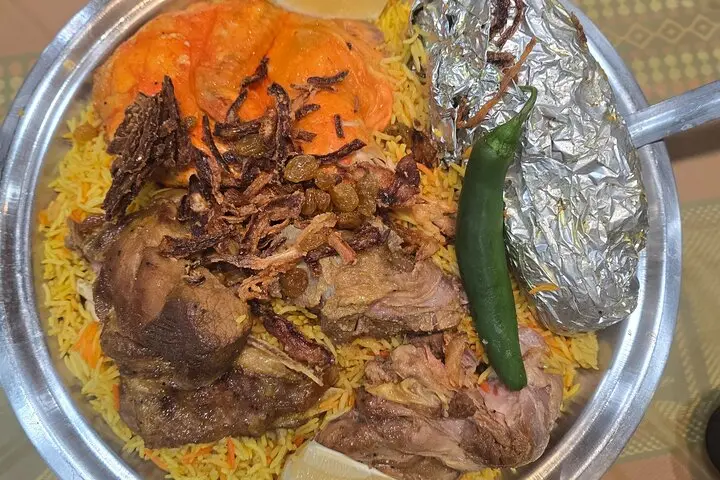
Expect five short stops over about three hours: a family-run bakery for manakish, a Yemeni spot for slow-cooked mandi, a nut roastery, an Egyptian eatery where you’ll taste molokhia and practice writing your name in Arabic, and a modern dessert café for kunafeh variations. The walking is easy and mostly flat, with brief market strolls between venues.
Practical edge: wear comfortable walking shoes, bring a refillable water bottle, and arrive with dietary notes if you have allergies. Tours move at a neighborhood pace — come hungry but not starving, and plan to use rideshare or nearby parking if you’re carrying larger bags. Midday sun can warm the sidewalks; a light layer and sun protection keep the focus on flavors, not fatigue.
Yes — the operator lists wheelchair and stroller accessibility and the route is on paved sidewalks with accessible entrances at most stops.
Tastings are intended to showcase flavors across five stops; most participants find the portions equivalent to a light to moderate meal.
Yes — you should note allergies or preferences when booking so the guide can notify restaurants ahead of time.
Meet at 512 S Brookhurst St #5; free parking is available nearby and the area is accessible by rideshare or taxi.
Rafiki Tours operates guided outdoor trips and adventures with an emphasis on safety, stewardship, and memorable experiences.
You step off Brookhurst Street into the warm press of spices and fresh-baked dough — bakeries open, steam rising from wood-fired ovens, and a guide pressing a za’atar-topped manakish into your hands. The neighborhood’s sidewalks carry the pulse of daily life: shopkeepers arranging trays of pistachio-topped sweets, the rhythmic clink of tea glasses, and the low hum of conversation in Arabic.
You step off Brookhurst Street into the warm press of spices and fresh-baked dough — bakeries open, steam rising from wood-fired ovens, and a guide pressing a za’atar-topped manakish into your hands. The neighborhood’s sidewalks carry the pulse of daily life: shopkeepers arranging trays of pistachio-topped sweets, the rhythmic clink of tea glasses, and the low hum of conversation in Arabic.
Anaheim’s Little Arabia grew with immigrant communities from the Levant, Yemen and Egypt, creating a compact corridor of authentic restaurants and markets. The walking route traces culinary traditions that span centuries — from Phoenician flatbreads and Levantine herb blends to Bedouin slow-roast methods like mandi and haneeth. Architecturally, the area is ordinary Orange County storefronts reimagined by signs, mosaics, and market displays that tell a story of cultural continuity rather than monumental history.
Expect five short stops over about three hours: a family-run bakery for manakish, a Yemeni spot for slow-cooked mandi, a nut roastery, an Egyptian eatery where you’ll taste molokhia and practice writing your name in Arabic, and a modern dessert café for kunafeh variations. The walking is easy and mostly flat, with brief market strolls between venues.
Practical edge: wear comfortable walking shoes, bring a refillable water bottle, and arrive with dietary notes if you have allergies. Tours move at a neighborhood pace — come hungry but not starving, and plan to use rideshare or nearby parking if you’re carrying larger bags. Midday sun can warm the sidewalks; a light layer and sun protection keep the focus on flavors, not fatigue.