THE ADVENTURE COLLECTIVE® · Independent discovery and booking for outdoor travel

Walk through Rialto Market and taste authentic cicchetti with a local guide on this 2.5-hour small-group tour. Learn market lore, culinary tips, and practical local advice while sampling Venice’s best street bites.
Walk through Rialto Market and taste authentic cicchetti with a local guide on this 2.5-hour small-group tour. Learn market lore, culinary tips, and practical local advice while sampling Venice’s best street bites.
You step off the bridge and the city meets you like a conversation—loud vendors, gulls arguing over the catch, the slick stone of alleys warmed by afternoon light. The guide waits in Campo San Bartolomeo with a small sign that simply reads Food Tour, and within minutes the rhythm of Venetian life takes over: crossing narrow bridges, threading past churches, and sliding into squares where neighbors barter over cheeses and tiny fried snacks.
Verified experiences and guided adventures in the surrounding area.
Operated by Raphael Tours & Events · Venice, Veneto
You step off the bridge and the city meets you like a conversation—loud vendors, gulls arguing over the catch, the slick stone of alleys warmed by afternoon light. The guide waits in Campo San Bartolomeo with a small sign that simply reads Food Tour, and within minutes the rhythm of Venetian life takes over: crossing narrow bridges, threading past churches, and sliding into squares where neighbors barter over cheeses and tiny fried snacks.
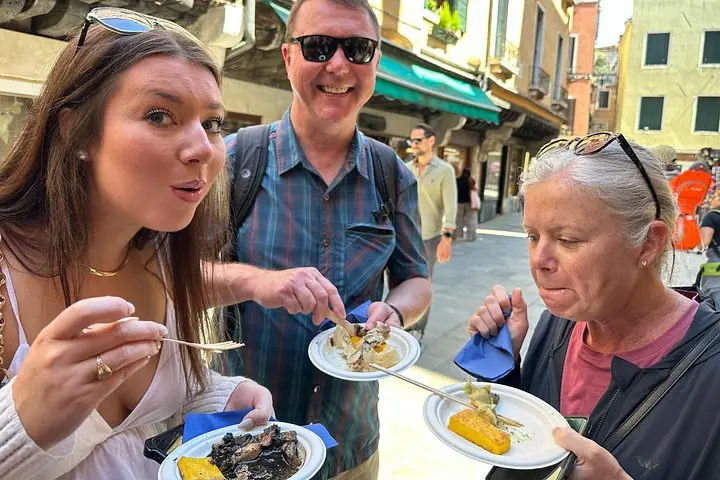
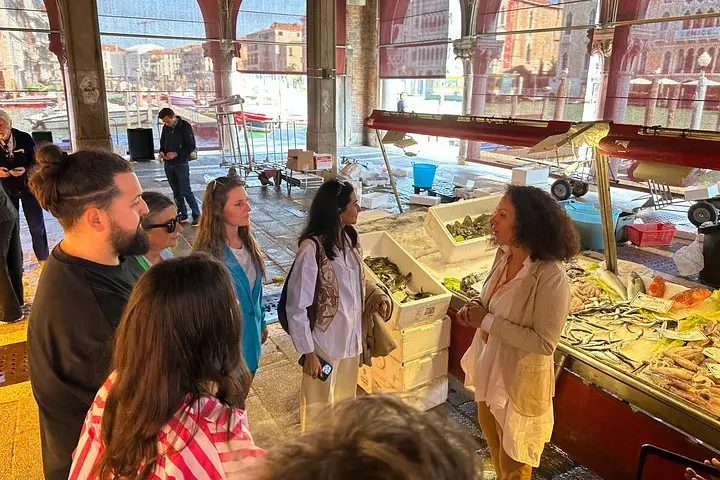
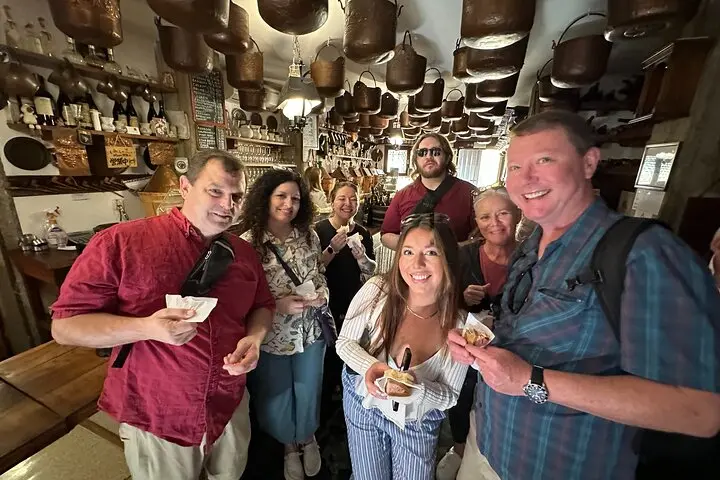
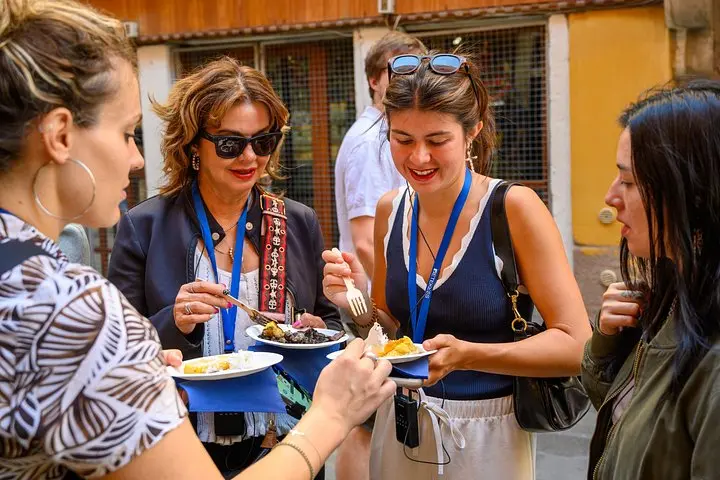
This 2.5-hour walk centers on the Rialto Market, an open-air network of fish stalls and produce that has fed Venice since the early medieval period. The market’s wooden counters and salt-stiff air feel unchanged; here you can watch fishmongers fillet seabass in seconds and learn how local trade shaped the city’s canals. Cicchetti—the Venetian answer to tapas—live on little plates at bàcari (wine bars): salted cod crostini, tiny meatballs, buranelli sweets, and thick wedges of local cheeses. Each bite is an informal lesson in Venetian flavor and food history.
Geology and hydrology are part of the plot: Venice is built on sand and timber piles, its ecology bound to tidal cycles and the recurring acqua alta. That ebb and flow influenced market hours, storage methods, and even recipes that favor preservation—salted fish, cured meats, and quick-fry techniques that perform well in small kitchens.
Cultural notes thread through the tour. The guide points out Campo Santa Margherita, once a student and artisan hub, and Basilica dei Frari’s gothic outline, explaining how religion, guilds, and commerce overlapped. Practical local intelligence arrives in equal measure—best bacaro to sidestep queues, where to spend an afternoon away from the crowds, and how to read a cicchetti menu.
Practicalities matter: the route is all on foot and crisscrosses several bridges—expect uneven stone, occasional steep steps, and narrow alleys. Wear comfortable shoes and bring a light bag for tastings and a water bottle. The tour does not accommodate vegan, gluten-free, or dairy-free diets, and vegetarians must request options in advance. Arrive at least five minutes early—the guide waits no longer than ten minutes.
Timing affects taste: visit the fish market early for the liveliest stalls; afternoons and Mondays can see reduced activity. Bring small change for quick purchases and a card for restaurants that accept it, but many small vendors are cash-friendly. If acqua alta appears, the group will adapt routes but be prepared for short raised walkways.
By the end you’ll know how to order cicchetti like a local, how markets shaped Venetian life, and where to retreat for a quiet spritz. The tour delivers flavor, context, and a clear map for the next time you let Venice’s streets decide your day.
Meet in Campo San Bartolomeo next to the statue; the guide holds a sign that reads Food Tour.
No—guides wait no more than 10 minutes and cannot rejoin the route once it departs.
This tour does not accommodate vegan, gluten-free, or dairy-free diets; vegetarians can be arranged if informed ahead of time.
Infants and small children can use strollers, but expect stairs on bridges and narrow alleys—folding strollers work best.
The tour operates in most conditions; in extreme weather the operator may cancel. Routes may be adjusted during acqua alta to avoid flooded sections.
Several cicchetti, a dessert, cheese samples and tasting of local specialties are included—plan on a light-to-moderate meal with additional purchases optional.
Raphael Tours & Events operates guided outdoor trips and adventures with an emphasis on safety, stewardship, and memorable experiences.
You step off the bridge and the city meets you like a conversation—loud vendors, gulls arguing over the catch, the slick stone of alleys warmed by afternoon light. The guide waits in Campo San Bartolomeo with a small sign that simply reads Food Tour, and within minutes the rhythm of Venetian life takes over: crossing narrow bridges, threading past churches, and sliding into squares where neighbors barter over cheeses and tiny fried snacks.
You step off the bridge and the city meets you like a conversation—loud vendors, gulls arguing over the catch, the slick stone of alleys warmed by afternoon light. The guide waits in Campo San Bartolomeo with a small sign that simply reads Food Tour, and within minutes the rhythm of Venetian life takes over: crossing narrow bridges, threading past churches, and sliding into squares where neighbors barter over cheeses and tiny fried snacks.
This 2.5-hour walk centers on the Rialto Market, an open-air network of fish stalls and produce that has fed Venice since the early medieval period. The market’s wooden counters and salt-stiff air feel unchanged; here you can watch fishmongers fillet seabass in seconds and learn how local trade shaped the city’s canals. Cicchetti—the Venetian answer to tapas—live on little plates at bàcari (wine bars): salted cod crostini, tiny meatballs, buranelli sweets, and thick wedges of local cheeses. Each bite is an informal lesson in Venetian flavor and food history.
Geology and hydrology are part of the plot: Venice is built on sand and timber piles, its ecology bound to tidal cycles and the recurring acqua alta. That ebb and flow influenced market hours, storage methods, and even recipes that favor preservation—salted fish, cured meats, and quick-fry techniques that perform well in small kitchens.
Cultural notes thread through the tour. The guide points out Campo Santa Margherita, once a student and artisan hub, and Basilica dei Frari’s gothic outline, explaining how religion, guilds, and commerce overlapped. Practical local intelligence arrives in equal measure—best bacaro to sidestep queues, where to spend an afternoon away from the crowds, and how to read a cicchetti menu.
Practicalities matter: the route is all on foot and crisscrosses several bridges—expect uneven stone, occasional steep steps, and narrow alleys. Wear comfortable shoes and bring a light bag for tastings and a water bottle. The tour does not accommodate vegan, gluten-free, or dairy-free diets, and vegetarians must request options in advance. Arrive at least five minutes early—the guide waits no longer than ten minutes.
Timing affects taste: visit the fish market early for the liveliest stalls; afternoons and Mondays can see reduced activity. Bring small change for quick purchases and a card for restaurants that accept it, but many small vendors are cash-friendly. If acqua alta appears, the group will adapt routes but be prepared for short raised walkways.
By the end you’ll know how to order cicchetti like a local, how markets shaped Venetian life, and where to retreat for a quiet spritz. The tour delivers flavor, context, and a clear map for the next time you let Venice’s streets decide your day.