THE ADVENTURE COLLECTIVE® · Independent discovery and booking for outdoor travel

Experience the Tatacoa Desert’s red and gray valleys on a community-led day tour from Villavieja. Hike through petrified wood fields, watch desert wildlife, and finish under the stars at a local observatory.
Experience the Tatacoa Desert’s red and gray valleys on a community-led day tour from Villavieja. Hike through petrified wood fields, watch desert wildlife, and finish under the stars at a local observatory.
Dust lifts off the tracks as the van pulls away from Villavieja and the Tatacoa Desert opens like a raw, carved landscape—red ridges to one side, gray badlands to the other, cacti bristling like watchmen. The air tastes dry; the sun draws outlines sharp enough to read. A short walk along the Magdalena River introduces a greener counterpoint—water daring the desert to grow life—before the route threads into folds of petrified wood and ochre canyons.
Verified experiences and guided adventures in the surrounding area.
Operated by Backpackers Neiva · Villavieja, Huila
Dust lifts off the tracks as the van pulls away from Villavieja and the Tatacoa Desert opens like a raw, carved landscape—red ridges to one side, gray badlands to the other, cacti bristling like watchmen. The air tastes dry; the sun draws outlines sharp enough to read. A short walk along the Magdalena River introduces a greener counterpoint—water daring the desert to grow life—before the route threads into folds of petrified wood and ochre canyons.
Geology here tells a clear, old story: volcanic ash and torrential Miocene rivers left silica-rich deposits that became the xylópalos—petrified trunks that anchor the valley’s narrative. Culturally, the tour links visitors with Villavieja’s small communities: guides explain local conservation efforts while meals reflect Huila’s culinary staples—rice, proteins and fresh salad. Wildlife is practical and present: iguanas sun on rocks, small turtles slip near pools, and raptors wheel above the ridgelines.
Expect four-kilometer walking sections over compacted sand and stony desert paths, mild elevation changes and plenty of exposed sun. Stops include a natural sanctuary with focused biodiversity viewing, a gray valley of xylópalos trail, the red desert walking loop and an evening mirador for sunset before optional stargazing at an observatory.
Practical notes: wear sturdy closed shoes, bring at least 2 liters of water and sun protection, and plan for dust—layers and a buff help. The day is paced for moderate mobility rather than technical hiking; the real reward is the contrast between riverine life and the desert’s geological memory.
There are two main walking loops of about 4 km each spread through the day, plus short walks at viewpoints—expect a total of several light hikes over the 6–7 hour day.
Astronomy at the observatory is optional and typically has a small extra fee; it’s weather-dependent and operated by local experts.
A traditional Huila lunch (protein, starch, salad and drink) is included; bring snacks if you have specific dietary needs.
The tour is categorized as easy and open to most fitness levels, but uneven ground and dust can be challenging—check with the operator for specific accessibility needs.
Backpackers Neiva operates guided outdoor trips and adventures with an emphasis on safety, stewardship, and memorable experiences.
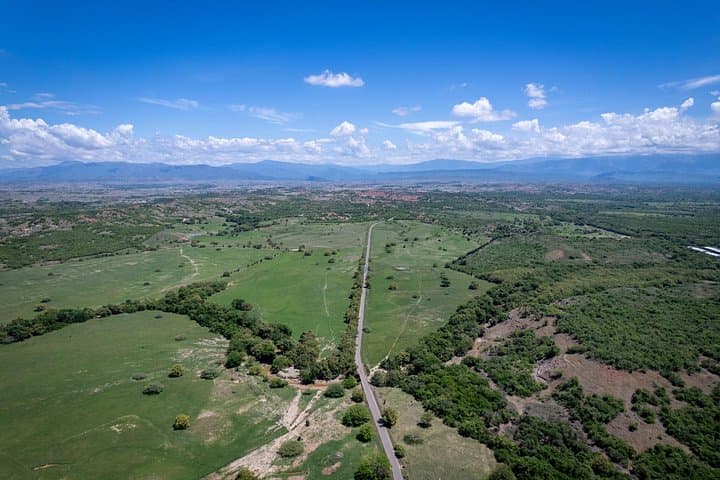


Dust lifts off the tracks as the van pulls away from Villavieja and the Tatacoa Desert opens like a raw, carved landscape—red ridges to one side, gray badlands to the other, cacti bristling like watchmen. The air tastes dry; the sun draws outlines sharp enough to read. A short walk along the Magdalena River introduces a greener counterpoint—water daring the desert to grow life—before the route threads into folds of petrified wood and ochre canyons.
Dust lifts off the tracks as the van pulls away from Villavieja and the Tatacoa Desert opens like a raw, carved landscape—red ridges to one side, gray badlands to the other, cacti bristling like watchmen. The air tastes dry; the sun draws outlines sharp enough to read. A short walk along the Magdalena River introduces a greener counterpoint—water daring the desert to grow life—before the route threads into folds of petrified wood and ochre canyons.
Geology here tells a clear, old story: volcanic ash and torrential Miocene rivers left silica-rich deposits that became the xylópalos—petrified trunks that anchor the valley’s narrative. Culturally, the tour links visitors with Villavieja’s small communities: guides explain local conservation efforts while meals reflect Huila’s culinary staples—rice, proteins and fresh salad. Wildlife is practical and present: iguanas sun on rocks, small turtles slip near pools, and raptors wheel above the ridgelines.
Expect four-kilometer walking sections over compacted sand and stony desert paths, mild elevation changes and plenty of exposed sun. Stops include a natural sanctuary with focused biodiversity viewing, a gray valley of xylópalos trail, the red desert walking loop and an evening mirador for sunset before optional stargazing at an observatory.
Practical notes: wear sturdy closed shoes, bring at least 2 liters of water and sun protection, and plan for dust—layers and a buff help. The day is paced for moderate mobility rather than technical hiking; the real reward is the contrast between riverine life and the desert’s geological memory.