THE ADVENTURE COLLECTIVE® · Independent discovery and booking for outdoor travel

A day-long trip from Kanazawa that pairs Japan’s tallest waterfall with alpine walks on the Midagahara plateau and the high trails around Murodo. Expect dramatic views, quick weather changes, and easy-to-moderate hikes guided for mixed fitness levels.
A day-long trip from Kanazawa that pairs Japan’s tallest waterfall with alpine walks on the Midagahara plateau and the high trails around Murodo. Expect dramatic views, quick weather changes, and easy-to-moderate hikes guided for mixed fitness levels.
A crisp mountain breath meets the bus as it climbs out of the plains toward Tateyama. Travelers arrive first at Shomyo Falls, where a 350-meter ribbon of water drums against the valley and sprays a cool urgency that pushes hikers forward. Later, the plateau of Midagahara opens like a high meadow—peaty boardwalks, stunted pines, and alpine flowers that lean into the wind while the clouds drift far below.
Verified experiences and guided adventures in the surrounding area.
Operated by Snow Monkey Resorts Tours (Machinovate Japan Ltd.) · Tateyama, Toyama Prefecture
A crisp mountain breath meets the bus as it climbs out of the plains toward Tateyama. Travelers arrive first at Shomyo Falls, where a 350-meter ribbon of water drums against the valley and sprays a cool urgency that pushes hikers forward. Later, the plateau of Midagahara opens like a high meadow—peaty boardwalks, stunted pines, and alpine flowers that lean into the wind while the clouds drift far below.
Tateyama is one of Japan’s Three Holy Mountains and has been a pilgrimage landscape for over a millennium; the valleys and peaks were sculpted by volcanic action and glacial movement, leaving dramatic cliffs, kettles and wetlands. Local culture mixes mountain Shinto practices with modern mountain hospitality—small stations, tea houses, and the rare onsen claim visitors’ attention. The geology is obvious beneathfoot: volcanic rock, persistent snowfields, and the boggy soils of Midagahara that support specialized plants.
Practically, this is a full-day, bus-supported outing from Kanazawa that balances short hikes with time to photograph and rest. Expect uneven boardwalks and alpine trails that can be muddy; footwear with grip and a waterproof layer matter. Altitude at Murodo can make exertion feel harder and weather shift fast—plan for wind and sun. Bring a bento or use the station café for lunch, carry water, and trust the guide to choose a route suited to the group. For hikers who want dramatic vistas without technical climbing, this trip delivers high-mountain views, thunderous falls and a close look at Japan’s alpine ecology.
The tour runs about 10 hours from Kanazawa with multiple short hikes—individual walking time depends on route choices but expect easy to moderate walks of up to a few kilometers.
Lunch is not always included; guides will stop for a bento on the plateau or you can eat at the Murodo station cafés and restaurants.
Routes are flexible but require moderate fitness; families and seniors who can handle short uphill sections and uneven paths should be fine with adjustments from the guide.
Basic facilities exist at viewing stations and Murodo; Midagahara is more remote and relies on trailhead restrooms—carry hand sanitizer and small change for station toilets.
Snow Monkey Resorts Tours (Machinovate Japan Ltd.) operates guided outdoor trips and adventures with an emphasis on safety, stewardship, and memorable experiences.
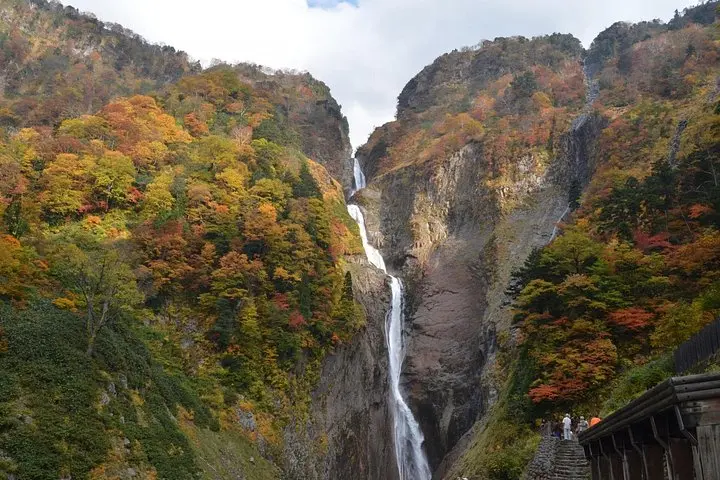
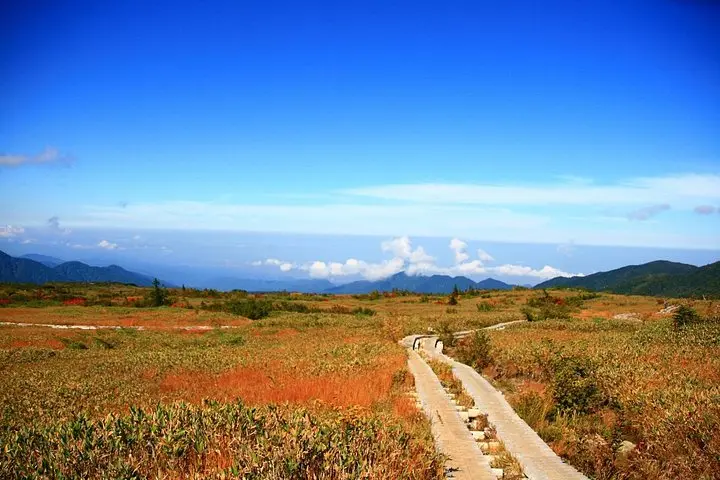
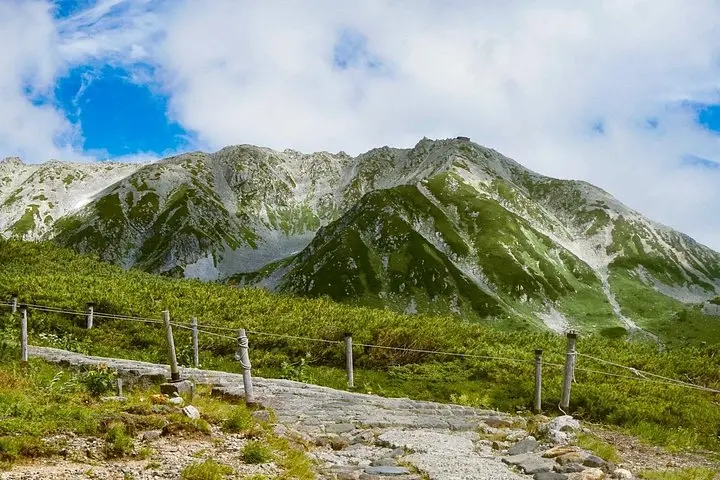
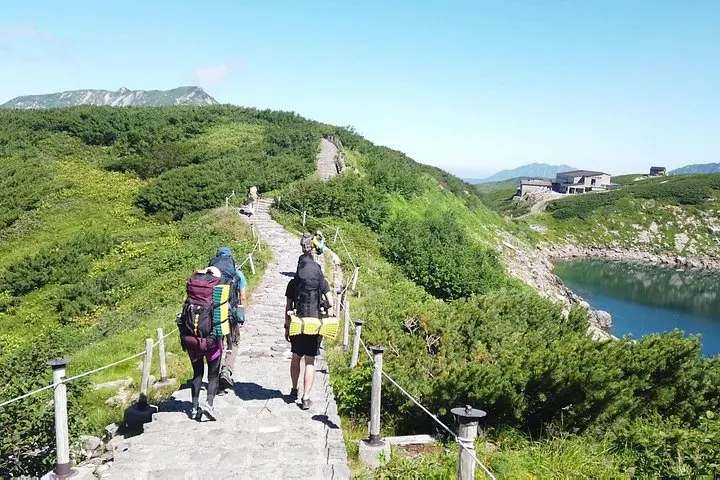
A crisp mountain breath meets the bus as it climbs out of the plains toward Tateyama. Travelers arrive first at Shomyo Falls, where a 350-meter ribbon of water drums against the valley and sprays a cool urgency that pushes hikers forward. Later, the plateau of Midagahara opens like a high meadow—peaty boardwalks, stunted pines, and alpine flowers that lean into the wind while the clouds drift far below.
A crisp mountain breath meets the bus as it climbs out of the plains toward Tateyama. Travelers arrive first at Shomyo Falls, where a 350-meter ribbon of water drums against the valley and sprays a cool urgency that pushes hikers forward. Later, the plateau of Midagahara opens like a high meadow—peaty boardwalks, stunted pines, and alpine flowers that lean into the wind while the clouds drift far below.
Tateyama is one of Japan’s Three Holy Mountains and has been a pilgrimage landscape for over a millennium; the valleys and peaks were sculpted by volcanic action and glacial movement, leaving dramatic cliffs, kettles and wetlands. Local culture mixes mountain Shinto practices with modern mountain hospitality—small stations, tea houses, and the rare onsen claim visitors’ attention. The geology is obvious beneathfoot: volcanic rock, persistent snowfields, and the boggy soils of Midagahara that support specialized plants.
Practically, this is a full-day, bus-supported outing from Kanazawa that balances short hikes with time to photograph and rest. Expect uneven boardwalks and alpine trails that can be muddy; footwear with grip and a waterproof layer matter. Altitude at Murodo can make exertion feel harder and weather shift fast—plan for wind and sun. Bring a bento or use the station café for lunch, carry water, and trust the guide to choose a route suited to the group. For hikers who want dramatic vistas without technical climbing, this trip delivers high-mountain views, thunderous falls and a close look at Japan’s alpine ecology.